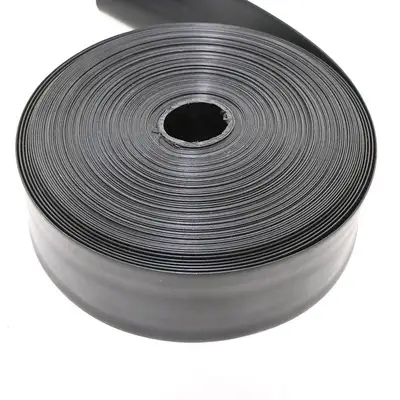

Agricultural irrigation pipes are essential for transporting water from its source to fields, orchards, greenhouses, and other growing areas. Their service life can influence farm operating costs, maintenance schedules, and the reliability of water delivery throughout the growing season. While some pipes can remain in service for many years, their actual lifespan depends on the materials used, installation quality, operating conditions, and ongoing maintenance.
Understanding these factors helps farmers make informed purchasing and maintenance decisions. An experienced Irrigation Pipe Manufacturer can provide product specifications and guidance on selecting pipes for particular agricultural applications. However, long-term performance also depends on how the pipes are installed, handled, and operated after purchase.
1. Pipe Material and Manufacturing Quality
The material used to manufacture an irrigation pipe has a significant effect on its durability. Agricultural pipes are available in materials such as polyethylene, high-density polyethylene (HDPE), and PVC, each with different characteristics and application requirements.
Polyethylene pipes offer flexibility that can be useful in field irrigation layouts. HDPE pipes are commonly used in water distribution networks where suitable pressure and dimensional specifications are selected. PVC pipes provide a rigid option for applications where their properties and installation requirements are appropriate.
Material choice alone does not determine service life. The quality of the raw material, manufacturing consistency, wall thickness, and compliance with relevant standards also matter.
Before purchasing, review the pipe’s technical specifications and intended use. Products manufactured to appropriate standards and selected for the correct operating conditions provide a stronger foundation for long-term performance.
2. Exposure to Sunlight and Weather
Agricultural irrigation pipes often operate outdoors, exposing them to sunlight, temperature fluctuations, rain, and other environmental conditions. Prolonged ultraviolet (UV) exposure can contribute to the degradation of certain materials if they are not formulated or protected for outdoor use.
High temperatures may affect pipe properties and pressure performance, while cold conditions can create additional risks when water freezes inside the system. Repeated temperature changes may also affect connections and the stresses experienced by installed pipelines.
Farmers should check whether pipes are rated for the expected environmental exposure. Where necessary, suitable shading, protective installation methods, drainage, or seasonal storage can help reduce environmental damage.
The appropriate measures depend on the pipe material and the manufacturer’s recommendations.
3. Operating Pressure and Water Flow
Every irrigation pipe has defined operating limits. Regularly exposing a pipe to pressure beyond its rating can increase the risk of leakage, deformation, or failure.
Pressure conditions may change when pumps start or stop, valves close rapidly, or irrigation zones are switched. These sudden variations can create pressure surges that place additional stress on pipes and joints.
Water flow also matters. If pipes are incorrectly sized for the required flow rate, excessive friction losses may reduce system performance. An unsuitable design can encourage operators to make adjustments that place additional demands on the network.
To protect pipe lifespan, select the correct diameter and pressure rating based on hydraulic calculations. Pressure regulators, appropriate valves, and suitable pump controls can help maintain operating conditions within the system’s design limits.
4. Installation Quality
Even a high-quality irrigation pipe can fail prematurely if it is installed incorrectly. Poor handling, unsuitable joining methods, inadequate support, and incorrect burial practices can create weak points in a pipeline.
Before installation, inspect pipes for damage that may have occurred during transport or storage. Follow the specified procedures for cutting, joining, bending, and connecting each product type.
For underground systems, the installation should account for soil conditions, burial depth, bedding, and external loads. Pipes placed beneath roads or areas used by heavy agricultural machinery may require additional design considerations.
Correct installation reduces unnecessary stress on pipes and connections. It also makes future inspection and maintenance easier, helping the irrigation system remain dependable over time.
5. Soil Conditions and External Loads
Underground irrigation pipes must withstand more than internal water pressure. They can also experience pressure from surrounding soil, moving ground, machinery, and nearby construction activities.
Loose, unstable, or poorly prepared ground may allow a pipeline to shift or settle unevenly. Heavy loads above shallow-buried pipes can cause deformation or damage if the installation was not designed for those conditions.
Root growth, excavation, and routine cultivation may also threaten buried irrigation lines. Farm operators should keep records of pipeline routes to reduce accidental damage during fieldwork.
Selecting appropriate pipes and following installation guidance can help manage these risks. Where external loading is significant, a qualified professional should assess the burial arrangement and required pipe specifications.
6. Water Quality and Chemical Exposure
The quality of irrigation water can influence the maintenance needs of the overall system. Water containing sediment, sand, or other suspended particles may contribute to blockages and wear in certain components, particularly where water moves at high velocity or passes through sensitive equipment.
Chemical characteristics can also matter. Depending on the pipe material, exposure to incompatible chemicals or unusually aggressive water conditions may affect product performance over time.
Filtration is particularly important in drip irrigation systems because small emitters can become blocked by suspended particles or mineral deposits. Regular flushing can help remove accumulated debris from suitable pipeline systems.
Farmers should evaluate their water source and consult product guidance when chemical exposure is a concern. Maintenance requirements should be based on the actual water quality and the equipment installed.
7. Quality of Pipe Connections and Fittings
Connections are often critical points in an irrigation network. A pipe may remain structurally sound while a poorly installed joint begins to leak or loosen.
The risk can increase when fittings are incompatible, seals are damaged, or joining procedures are not followed correctly. Repeated movement, pressure fluctuations, and temperature changes may also place stress on connections.
Use fittings designed for the selected pipe material and dimensions. Follow the specified installation method, whether it involves mechanical fittings, compression connections, solvent welding, or heat fusion.
During routine inspections, look for damp soil, visible drips, loose connectors, or unexpected pressure changes. Addressing small leaks early can help prevent additional damage and unnecessary water loss.
8. Maintenance and Regular Inspection
Maintenance is one of the most practical ways to extend the useful life of agricultural irrigation pipes. Small problems can develop gradually, making periodic inspection important even when the system appears to operate normally.
A maintenance routine may include checking for leaks, inspecting exposed sections, cleaning filters, flushing lines, and examining fittings for signs of deterioration. Operators should also monitor pressure and flow to identify unusual changes that may indicate a developing problem.
Seasonal irrigation systems may need additional attention before storage and before being returned to service. Pipes that are removed should be handled carefully and stored according to the manufacturer’s recommendations.
Keep records of repairs, inspections, and recurring issues. These records can help identify patterns and determine when a section of pipeline should be repaired or replaced.
9. Storage and Handling Before Installation
Pipe lifespan can be affected before a product is installed. Improper transportation and storage may cause scratches, deformation, contamination, or other damage that weakens performance or complicates assembly.
Pipes should be unloaded using suitable equipment and handled in accordance with the manufacturer’s instructions. Avoid dragging them across rough surfaces or exposing them to loads that could deform the pipe wall.
Storage arrangements should provide adequate support and protection from damaging environmental conditions. Coiled pipes should be handled within the recommended bending limits, while rigid pipes should be stacked safely to prevent movement or distortion.
Inspect materials before installation and separate any products that appear damaged. Early inspection helps prevent compromised pipes from entering the irrigation network.
10. Compatibility With the Irrigation System
A pipe’s service life also depends on whether it is suitable for the system in which it operates. A product selected without considering flow rates, pressure, fittings, and irrigation equipment may experience unnecessary stress.
For example, drip irrigation networks require compatible connections and appropriate pressure control to deliver water effectively. Sprinkler systems may have different flow and pressure demands, particularly when several sprinklers operate simultaneously.
System expansion can introduce additional challenges if new lines increase demand beyond the original design capacity. Changes to pumps, valves, or irrigation zones should therefore be assessed against the specifications of the existing pipeline.
Reviewing system compatibility before purchase and whenever major modifications are made can help reduce premature wear and operational problems.
11. Signs That Irrigation Pipes May Need Replacement
Regular maintenance can extend service life, but no pipe lasts indefinitely. Recognizing signs of deterioration helps farmers decide when repairs are sufficient and when replacement may be necessary.
Common warning signs include:
- Repeated leaks or recurring joint failures.
- Visible cracks, splits, or deformation.
- Unusual changes in pressure or water delivery.
- Damage caused by machinery or ground movement.
- Persistent problems that continue after appropriate repairs.
- Material deterioration beyond the manufacturer’s acceptable limits.
A single leak does not necessarily mean an entire pipeline must be replaced. The decision should consider the pipe’s condition, the extent of damage, repair feasibility, and the consequences of further failure.
For critical irrigation networks, a qualified professional can help assess whether repairs or replacement offer the more reliable long-term solution.
Conclusion
The lifespan of agricultural irrigation pipes depends on a combination of material quality, environmental exposure, operating pressure, installation practices, water conditions, connection quality, and maintenance. No single factor determines how long a pipeline will remain serviceable.
Farmers can reduce avoidable deterioration by choosing suitable products, following installation instructions, maintaining appropriate pressure, protecting pipes from external damage, and inspecting the system regularly. Keeping accurate maintenance records also helps identify recurring issues before they disrupt irrigation.
A proactive approach to pipe selection and care supports more reliable water distribution, reduces unexpected repair costs, and helps agricultural operations make better use of their irrigation infrastructure over the long term.