
How a Dedicated Wudu Basin Supports Convenient Daily Ablution
Ablution, known as wudu, is an important part of daily life for Muslims who perform ritual washing before prayer. Having a suitable washing area at home or in a prayer facility can make this routine more comfortable, organized, and convenient. A dedicated wudu basin provides a space designed around the practical requirements of ablution rather than relying entirely on a conventional bathroom sink.
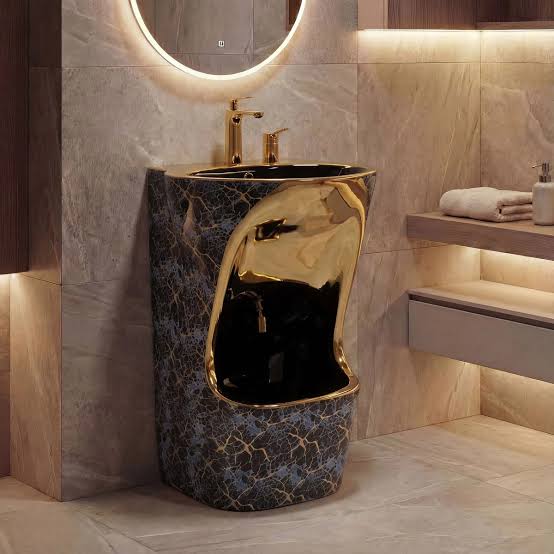
Choosing a well-designed Wudu Basin for Muslim households and shared prayer facilities can help improve washing comfort, manage water more effectively, and simplify cleaning. The right basin should suit the available space, support the needs of its users, and work reliably with the existing plumbing. These features can make daily ablution easier to manage without compromising hygiene or bathroom functionality.
1. Provides a Dedicated Space for Ablution
A dedicated wudu basin creates a specific area for washing before prayer. In a home, this can help separate ablution activities from other bathroom routines, making the space easier to organize and maintain.
In mosques and prayer rooms, purpose-designed washing stations can support a more orderly experience for multiple users. The layout can be planned around the number of people expected to use the facility and the amount of space available.
A dedicated area also makes it easier to position faucets, drainage, and accessories according to the washing activities required.
2. Supports Comfortable Washing
Comfort is an important consideration when choosing a basin for regular ablution. A conventional wash basin may be suitable for washing hands and face, but its shape or height may not be ideal for every wudu activity, particularly foot washing.
A dedicated design may offer a deeper bowl, additional washing space, or a configuration that makes reaching the water easier. The most suitable features depend on the specific product and the intended users.
Before purchasing, consider the basin’s height, internal dimensions, faucet reach, and the space available for movement. These details can help reduce awkward bending and make repeated use more convenient.
3. Helps Manage Water Splashes
Water splashes can make a bathroom harder to maintain, especially when foot washing is part of the routine. A basin with an appropriate depth, shape, and faucet position can help keep more water within the washing area.
The drain should be positioned to allow water to flow away efficiently, while the faucet should direct the stream into the bowl rather than toward its edge.
The surrounding floor also plays a role. Suitable wet-area flooring, good drainage, and a clear walkway can help prevent water from collecting where people need to stand or walk.
Although no basin can eliminate every splash, a well-planned installation can make water management easier.
4. Makes Daily Bathroom Routines More Organized
A separate ablution area can help keep the bathroom organized, particularly in households where several family members perform wudu throughout the day.
The basin can be positioned with convenient access to taps, towels, and other necessary items. Wall-mounted accessories or compact storage may help keep the immediate area tidy without taking up valuable floor space.
In smaller homes, a carefully selected basin can fit into an existing bathroom without requiring a completely separate room. The important point is to preserve enough space for comfortable washing and safe movement.
A practical layout can also make routine cleaning less complicated.
5. Offers Useful Options for Different Spaces
Dedicated wudu basins are available in different shapes and installation styles, making it possible to select a model for a variety of environments.
Wall-Mounted Designs
Wall-mounted basins can help save floor space and create an open appearance. They are useful in compact bathrooms, although the wall and mounting hardware must provide sufficient support.
Compact Corner Designs
Corner basins can make use of otherwise underutilized areas. They may suit guest bathrooms and homes where space is limited, provided the bowl offers enough room for the intended washing activities.
Integrated Designs
Integrated basins combine the washing bowl with a coordinated surrounding surface. Depending on the model, they can create a clean, contemporary appearance and simplify some aspects of surface maintenance.
Larger Ablution Stations
Mosques and shared prayer facilities may benefit from wider washing stations or multiple basins arranged in a practical sequence. The layout should provide enough clearance for users to approach and leave without creating congestion.
Selecting the right configuration begins with measuring the space and identifying the expected level of use.
6. Supports Hygiene and Easier Cleaning
A basin that is simple to clean can help maintain a hygienic ablution area. Smooth surfaces, accessible drains, and straightforward designs often make routine maintenance easier.
Water marks, soap residue, and mineral deposits can accumulate with frequent use, so the basin should be cleaned according to the manufacturer’s recommendations. Faucets, drain fittings, and the surrounding floor also need regular attention.
For shared facilities, a consistent cleaning schedule is particularly important because many people may use the same washing stations each day.
The basin material should be selected with maintenance in mind. Ceramic and porcelain are common choices because their smooth surfaces are generally easy to clean, while some other materials may require specialized care.
7. Can Improve Accessibility When Properly Planned
A dedicated wudu basin can be selected and installed to suit the needs of its users. Appropriate height, accessible faucet controls, and sufficient approach space can make the washing area easier to use.
In family homes, consider children and older adults as well as other household members. In mosques and public facilities, the layout should account for a broader range of users and any applicable accessibility requirements.
Slip-resistant flooring and unobstructed walkways are also important. If the basin is intended for people with limited mobility, consult the relevant accessibility guidance before finalizing the design.
Accessibility depends on the complete installation, not just the basin itself.
8. Helps Create a Consistent Interior Design
A dedicated wudu basin can complement the bathroom or prayer area’s overall appearance. Modern designs often feature clean lines and neutral colors, while traditional interiors may suit softer curves or more decorative finishes.
Matching the basin with wall tiles, faucets, and other fixtures can create a coordinated look. In a mosque, using consistent fixtures across several washing stations can also make the area appear more organized.
However, appearance should not take priority over usability. The selected design must provide adequate washing space, effective drainage, and surfaces that can be maintained easily.
A thoughtful combination of function and style can help the ablution area feel like an integrated part of the building.
9. Makes Maintenance Planning More Straightforward
Planning for maintenance at the time of installation can reduce problems later. The drain, trap, water shut-off valves, and other essential connections should remain accessible for inspection and repair.
Choose faucets and fittings for which replacement parts are available. In busy facilities, durable components may reduce interruptions caused by frequent repairs.
Inspect the basin regularly for leaks, slow drainage, loose fittings, or damaged sealant. Addressing these issues early can help prevent moisture damage to surrounding walls, floors, and cabinets.
A basin that is easy to access and maintain can be more practical over its service life than one with concealed connections that are difficult to reach.
10. Consider Water Efficiency and Plumbing Compatibility
Water efficiency is another useful consideration when selecting a dedicated basin. Faucets with suitable flow-control features may help reduce unnecessary water use while still providing adequate flow for washing.
The faucet must match the basin’s dimensions and configuration. Its spout should reach the intended washing area without directing water toward the rim or nearby surfaces.
Before purchasing, check the waste outlet size, water supply connections, mounting requirements, and compatibility with existing plumbing. Some installations may require adjustments to the water lines or drain position.
A qualified plumber can help ensure that the basin is installed securely and that the drainage system works properly.
11. Offers Practical Benefits for Homes and Mosques
The benefits of a dedicated wudu basin vary according to where it is installed.
In a private home, it may provide a more comfortable washing arrangement, help keep bathroom activities organized, and fit into a carefully planned ablution corner.
In mosques and community facilities, dedicated washing stations can support repeated use, provided that the number and arrangement of basins match visitor demand. Durable materials, easy-to-clean surfaces, and reliable plumbing are especially important in these settings.
In both environments, the most effective design is one that meets practical requirements without making the space unnecessarily complicated.
Conclusion
A dedicated wudu basin can make daily ablution more convenient by providing a suitable washing area, supporting comfortable movement, and helping manage water and cleaning requirements. Its value depends on selecting the right dimensions, material, faucet arrangement, drainage system, and installation style for the intended users.
Whether installed in a family bathroom or a shared prayer facility, the basin should be practical, durable, and easy to maintain. By planning the layout carefully and considering both comfort and safety, homeowners and facility managers can create an ablution area that supports everyday routines while complementing the surrounding space.