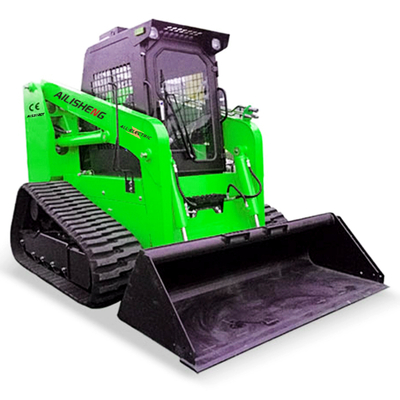

Electric Skid Steer Loaders Manufacturer Guide: Warranty, Certifications, and Technical Support
Selecting an electric skid steer loader involves more than comparing machine specifications and purchase prices. Buyers also need to understand warranty coverage, product certifications, and the technical support available after delivery. These factors can influence equipment reliability, maintenance costs, regulatory compliance, and the overall ownership experience.
When evaluating an Electric Skid Steer Loaders Manufacturer, buyers should look beyond product descriptions and ask for clear documentation of its warranty policies, applicable certifications, and service capabilities. Understanding these areas before placing an order helps reduce uncertainty and ensures that the selected equipment aligns with operational requirements.
1. Why Warranty Coverage Matters
A warranty provides defined protection against certain defects or failures during a specified period. For businesses investing in electric construction equipment, it can help manage unexpected repair expenses and clarify the manufacturer’s responsibilities.
However, warranty policies vary significantly. Some cover the complete machine, while others apply different conditions to batteries, motors, controllers, chargers, and other components.
Before purchasing, ask the manufacturer to provide the full written warranty document. Review the coverage period, exclusions, claim procedures, and conditions that must be met to keep the warranty valid.
Important questions include:
- How long is the complete machine covered?
- Are the battery and electrical components covered separately?
- Does the warranty include parts, labor, or both?
- Who pays for transportation or technician visits?
- What maintenance records must the owner retain?
- How are warranty claims submitted and resolved?
Clear answers make it easier to compare manufacturers and understand the actual value of the coverage offered.
2. Understand the Warranty for Batteries and Electrical Components
Battery performance is particularly important when selecting electric skid steer loaders. The battery affects operating time, charging requirements, productivity, and long-term ownership costs.
Buyers should confirm whether the battery has a separate warranty and how its coverage differs from that of the machine. Some warranties may include specific capacity-retention conditions, cycle limits, or usage restrictions.
Ask the manufacturer about the following details:
- Battery warranty duration and coverage limits
- Conditions related to charging and storage
- Requirements for routine battery maintenance
- Coverage for battery management systems
- Warranty provisions for motors and controllers
- Procedures for diagnosing electrical faults
It is also important to distinguish between normal battery degradation and a covered defect. Battery capacity can decline with use, age, temperature, and charging behavior, so buyers should understand how warranty claims are evaluated.
Request written terms rather than relying on verbal assurances about battery life or replacement guarantees.
3. Review Warranty Exclusions and Maintenance Requirements
A warranty may become limited or invalid if the equipment is operated or maintained outside the manufacturer’s stated requirements. Buyers should understand these conditions before the machine enters service.
Common areas requiring clarification include unauthorized modifications, improper charging, neglected maintenance, unsuitable operating conditions, accidental damage, and the use of incompatible attachments.
Ask which maintenance tasks must be completed at specific intervals and whether authorized service providers must perform certain repairs. If the manufacturer requires approved parts or service procedures, request the relevant documentation.
For fleet operators, maintaining accurate service records can simplify warranty claims and help identify recurring maintenance issues.
A practical approach is to create a maintenance schedule as soon as the loader is delivered. Include inspection dates, charging-system checks, repairs, replacement parts, and any manufacturer-recommended servicing.
4. Which Certifications Should Buyers Check?
Certifications and compliance documents can help buyers determine whether a manufacturer follows recognized processes or whether a machine meets particular technical requirements. However, the relevance of each document depends on its purpose and the market where the equipment will be used.
Buyers should distinguish between a manufacturer’s quality management certification and certifications or declarations associated with a specific product.
For example, ISO 9001 relates to quality management systems. It does not, by itself, prove that every machine complies with all applicable safety regulations.
Depending on the destination market and machine configuration, relevant requirements may address machinery safety, electrical safety, electromagnetic compatibility, battery transport, and other regulatory matters.
Ask the manufacturer to identify the requirements applicable to your purchase and provide supporting documentation.
5. Verify That Certifications Are Relevant and Valid
Receiving a certificate is not enough. Buyers should verify that it applies to the correct company, factory, product category, or machine model.
When reviewing certification documents, check:
- The name of the issuing organization
- The company or manufacturing site covered
- The certificate’s scope
- The issue and expiration dates, where applicable
- The product model or family identified
- Any limitations or conditions stated in the document
Where possible, confirm the document’s validity through the issuing organization or an official verification system.
For product-specific compliance, ask whether the documents cover the exact configuration being ordered, including relevant electrical systems and attachments where applicable.
This step is particularly important for international buyers, since requirements can differ between markets. Importers should independently confirm the regulations that apply in the destination country before arranging shipment.
6. Ask About Product Testing and Quality Assurance
Certifications provide useful information, but buyers should also examine the manufacturer’s actual quality control procedures.
A well-defined quality assurance process may include incoming component inspections, assembly checks, electrical system testing, hydraulic function checks, safety inspections, and final operational testing.
For electric skid steer loaders, ask how the manufacturer verifies battery installation, charging functionality, controller operation, motor performance, and relevant protective systems.
You should also ask whether inspection records are maintained for individual machines and whether the manufacturer can provide a sample test report.
For larger orders, an independent factory audit or pre-shipment inspection may offer additional confidence. The inspection should be based on the agreed specifications and should identify the checks required before shipment.
7. Evaluate the Manufacturer’s Technical Support Capabilities
Technical support becomes important when operators encounter warning indicators, charging problems, unusual machine behavior, or unexpected component failures.
Before purchasing, determine how the manufacturer handles technical questions and troubleshooting requests. A clear support process can help maintenance teams identify problems more efficiently and reduce unnecessary downtime.
Ask whether the company provides:
- Remote technical assistance
- Operator and maintenance manuals
- Troubleshooting guides
- Electrical and hydraulic system documentation
- Parts catalogs and component identification
- Maintenance schedules
- Access to trained service personnel
Find out which communication channels are available and whether support is provided in a language your team can understand.
You should also clarify whether assistance is provided directly by the manufacturer or through distributors and authorized service partners.
8. Check the Availability of Spare Parts
Technical advice is useful, but repairs may still require replacement components. Parts availability can directly affect how quickly a loader returns to operation.
Ask the manufacturer which components are normally stocked and how customers can order replacements. For electric machines, important parts may include controllers, electrical connectors, sensors, motors, hydraulic components, filters, and battery-related components.
Additional questions should cover expected dispatch times, international shipping arrangements, and the availability of parts for older models.
For businesses operating several machines, purchasing a recommended starter spare-parts package may reduce the effect of routine maintenance and minor failures.
It is also useful to ask whether the manufacturer provides a parts catalog organized by model and serial number. Accurate identification helps prevent delays caused by ordering incompatible components.
9. Understand Response Times and Service Arrangements
A manufacturer may offer technical support without having a service center in every customer market. Buyers should understand what this means for practical repair and maintenance needs.
Ask how support requests are prioritized and whether the manufacturer has established procedures for urgent equipment problems.
Find out whether technicians can diagnose issues remotely, guide local maintenance personnel, or arrange visits through authorized service partners.
For international purchases, clarify who will handle shipping replacement parts and whether local distributors can provide assistance.
Avoid relying on general promises of fast service. Instead, ask for specific information about support channels, service responsibilities, escalation procedures, and any contractual response-time commitments.
If your business operates in a remote location, consider whether the available support model is sufficient for your equipment’s intended workload.
10. Confirm Operator Training and Technical Documentation
Proper training can help operators use equipment safely and reduce problems caused by incorrect operation. It also helps maintenance personnel recognize early signs of trouble.
Ask whether the manufacturer supplies an operator’s manual, maintenance instructions, battery charging guidance, safety information, and troubleshooting documentation.
You should also determine whether training is available for operators and maintenance teams. Important topics may include daily inspections, charging procedures, attachment changes, safe lifting practices, warning indicators, and emergency procedures.
If the machine will be operated by employees with limited experience using electric construction equipment, request guidance on the differences between electric and diesel-powered machines.
Before delivery, confirm which manuals, certificates, and other documents will accompany the equipment and whether they will be available in a suitable language.
11. Compare Support During and After the Warranty Period
Warranty coverage is important, but equipment may remain in service long after the original coverage expires. Buyers should therefore consider the manufacturer’s long-term support capabilities.
Ask whether paid technical assistance, spare parts, repair services, and software or controller support remain available after the warranty ends.
For battery-powered equipment, find out how the manufacturer handles battery replacement and whether compatible replacement components are expected to remain available.
You should also ask whether major product updates affect existing machines or the compatibility of replacement parts.
A supplier that provides clear information about long-term maintenance and component availability can help buyers plan equipment costs more accurately.
12. Evaluate the Total Cost of Ownership
Warranty coverage, certifications, and technical support can influence the total cost of owning an electric skid steer loader. A lower purchase price may not provide the best value if support is difficult to access or important components are expensive to replace.
When comparing quotations, consider:
- Initial machine and attachment costs
- Battery and charging equipment costs
- Scheduled maintenance expenses
- Replacement-part availability and pricing
- Warranty coverage and exclusions
- Technical support charges
- Expected downtime and repair requirements
- Battery replacement planning
Electric loaders may reduce certain routine maintenance tasks associated with diesel engines, but they still require proper servicing of hydraulic, mechanical, electrical, and battery systems.
Estimate costs using realistic assumptions about workload, electricity prices, maintenance intervals, and operating conditions. Ask manufacturers for relevant documentation where available, and avoid treating general savings claims as guaranteed outcomes.
13. Questions to Ask Before Signing the Purchase Agreement
Before committing to an order, use the following questions to confirm that the manufacturer’s promises are clearly documented.
What exactly does the warranty cover?
Request written coverage periods, exclusions, and claim procedures for the machine and major electrical components.
Which certifications and compliance documents are available?
Confirm their validity, scope, and relevance to the exact model and destination market.
What testing is completed before shipment?
Ask for details of final inspections and the availability of supporting test records.
How can technical assistance be accessed?
Confirm communication channels, service responsibilities, and arrangements for urgent issues.
How quickly can spare parts be supplied?
Ask about stock availability, order procedures, and delivery arrangements for common components.
What training and documentation are included?
Verify that the required manuals, maintenance instructions, and operator guidance will be provided.
What happens if a defect appears after delivery?
Clarify reporting procedures, inspection requirements, corrective action, and the responsibilities of each party.
The answers should be incorporated into the purchase documentation wherever they affect price, delivery, warranty, compliance, or service obligations.
14. A Practical Checklist for Buyers
Use this checklist when comparing electric skid steer loader manufacturers.
-
Written machine and battery warranty documents have been reviewed.
-
Warranty exclusions and maintenance obligations are understood.
-
Relevant quality management certificates have been verified.
-
Product-specific compliance requirements have been confirmed.
-
Testing and final inspection procedures are documented.
-
Technical support channels and responsibilities are clear.
-
Spare-parts ordering procedures and availability are understood.
-
Operator training and maintenance documentation are included.
-
Long-term support after warranty expiration has been considered.
-
Total ownership costs have been evaluated.
-
Important commercial and service commitments are included in the contract.
Completing these checks helps buyers make more consistent comparisons and identify potential service or compliance gaps before making a financial commitment.
Conclusion
Choosing an electric skid steer loader manufacturer requires careful evaluation of warranty coverage, certifications, and technical support. These factors influence not only the initial purchasing decision but also equipment reliability, maintenance planning, regulatory compliance, and long-term operating costs.
Buyers should request written warranty terms, verify relevant certifications, review quality assurance procedures, and confirm how technical assistance and spare parts will be provided. They should also evaluate training resources and long-term support arrangements before placing an order.
A manufacturer that communicates clearly and supports its claims with appropriate documentation gives buyers a stronger basis for assessing risk and comparing available options. By addressing these issues in advance, businesses can select electric skid steer loaders that better meet their operational needs and support dependable equipment ownership over time.