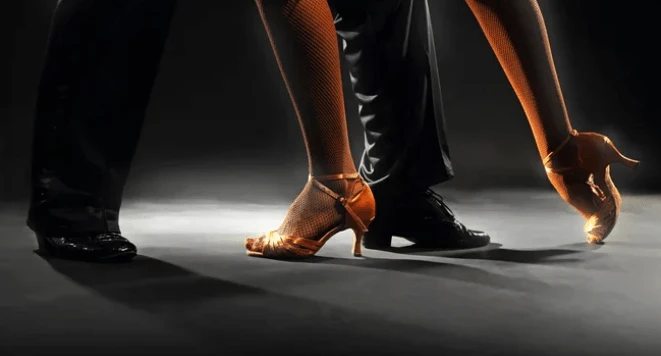

A new pair of Latin dance shoes can feel different from the footwear you are used to wearing. The materials may feel firm, the straps may need minor adjustment, and the shoes may require a little time to become familiar during movement. Understanding the break-in process helps dancers prepare for comfortable practice sessions while avoiding unnecessary wear or damage.
When selecting Custom Latin Dance Shoes, it is important to understand that break-in time varies depending on the materials, construction, fit, and frequency of use. Some shoes feel comfortable almost immediately, while others may need several short practice sessions before they feel natural. The goal is to help the shoes settle through careful use without compromising their structure or support.
What Does Breaking In Dance Shoes Mean?
Breaking in refers to the gradual process of becoming accustomed to new footwear as its materials respond to normal use. Depending on the shoe’s construction, the upper may become more flexible, the straps may feel more familiar, and the dancer may adjust to the sole and heel.
However, dance shoes should fit reasonably well from the beginning. The break-in period is not intended to correct an incorrect size, a narrow fit, or a poorly positioned heel. If the shoes cause significant pain or restrict normal movement, they may not be suitable for your feet.
For Latin dancers, a successful break-in period means becoming comfortable with the footwear while maintaining the secure fit needed for turns, weight transfers, and quick footwork.
How Long Does It Take to Break In Custom Latin Dance Shoes?
There is no single break-in timeline that applies to every pair. Some shoes feel comfortable after a brief fitting, while others need several short sessions before the materials feel more flexible.
The time required depends on several factors:
- Upper material: Some leather uppers may gradually soften, while satin and coated synthetic materials behave differently.
- Construction: Reinforced areas, lining thickness, and strap design can affect how a shoe feels.
- Fit: A correctly fitted shoe may require less adjustment than one with pressure points.
- Frequency of use: Regular, controlled wear helps dancers become familiar with their footwear.
- Individual foot shape: Differences in width, instep height, and toe shape can influence comfort.
Rather than following a strict number of hours, pay attention to how the shoes feel during and after each session. Comfort should improve without creating new pressure points or instability.
How Different Materials Respond to Break-In
The materials used in dance shoes influence their flexibility, comfort, and maintenance requirements. Understanding these differences can help you set realistic expectations.
Leather Uppers
Depending on its type and finish, leather may gradually become more flexible with regular wear. This can help the upper conform more naturally to the foot over time.
Even so, leather shoes should not feel painfully tight when new. Avoid assuming that substantial pressure will disappear after the material softens. If the shoe compresses your toes or creates persistent discomfort, reassess the fit instead of forcing the break-in process.
Satin Uppers
Satin is commonly used for Latin dance shoes because of its smooth appearance and suitability for performance outfits. However, satin does not necessarily stretch or soften in the same way as leather.
Because some satin fabrics can snag, stain, or become damaged through friction, handle these shoes carefully during the initial sessions. Check the manufacturer’s instructions before applying cleaning products or attempting any adjustments.
Synthetic Materials
Synthetic uppers vary widely. Some are flexible from the beginning, while others have a firmer structure that changes little with use.
Do not assume that synthetic shoes will stretch to accommodate a tight fit. Follow the manufacturer’s guidance and assess whether the shoe provides sufficient room and support from the start.
A Safe, Gradual Break-In Routine
Introducing new dance shoes gradually allows you to identify potential problems before wearing them for a long rehearsal or important performance.
Step 1: Check the Fit Before Dancing
Put on both shoes and fasten the straps as directed. Make sure the heel feels secure, the toes are not painfully compressed, and the upper does not dig into the skin.
Walk carefully on a suitable indoor surface and check for any obvious slipping or pressure. If the shoes already cause significant discomfort while standing, do not expect practice to resolve the problem.
Step 2: Start With Short Sessions
Wear the shoes for a brief period and practice simple movements. Basic steps, gentle weight transfers, and controlled changes of direction can help you become familiar with the footwear.
Keep the initial session short enough that you can stop if discomfort develops. There is no need to force your feet through a long rehearsal simply to speed up the process.
Step 3: Introduce Turns Gradually
Once the shoes feel comfortable during basic movements, try controlled turns and other familiar steps on an appropriate dance floor.
Pay attention to how the soles interact with the surface and whether your feet remain securely positioned inside the shoes. Avoid attempting demanding choreography until the footwear feels predictable.
Step 4: Check for Pressure Points
After each session, examine your feet for redness, rubbing, blisters, or persistent soreness. Also inspect the straps and upper for signs of excessive pressure or damage.
Minor differences in feel may become less noticeable as you grow accustomed to the shoes. Pain, numbness, or recurring friction should not be ignored.
Step 5: Increase Wear Time Carefully
If the shoes remain comfortable, gradually extend your practice time. Continue monitoring the fit rather than assuming that every session must be longer than the last.
If discomfort increases, stop and reassess the shoes. A gradual approach is more useful than trying to complete the entire break-in process in one session.
Common Signs That Your Shoes Need Attention
Not every uncomfortable sensation means the shoes simply need more time. Recognizing the difference between normal adjustment and a fit problem can help prevent avoidable discomfort.
Pressure across the toes: The shoe may be too narrow or have a toe shape that does not suit your foot.
Heel slipping: The size, heel shape, or fastening arrangement may not provide a secure fit.
Straps rubbing against the skin: The straps may need careful adjustment, or their placement may not suit your foot.
Persistent pain at the ball of the foot: Heel height, fit, or weight distribution may be contributing to discomfort.
Blisters or broken skin: Stop wearing the shoes until the cause of the friction has been addressed.
If discomfort persists despite reasonable adjustments, consult the manufacturer or seller about fit options. Significant or ongoing foot pain may also warrant advice from a qualified healthcare professional.
Why You Should Avoid Forcing the Break-In Process
Some dancers try to speed things up by bending shoes aggressively, pulling straps beyond their intended adjustment range, or wearing tight footwear for hours. These methods can damage the construction and increase the risk of blisters.
Avoid soaking shoes, applying direct heat, or using stretching products unless the manufacturer confirms that the method is appropriate for the specific materials. Adhesives, finishes, and reinforced components may be sensitive to moisture and heat.
Dance shoes are designed to provide a particular combination of support and flexibility. Excessive stretching or bending may change how they hold the foot, which can affect comfort and control.
A patient approach is safer and helps preserve the qualities that make the shoes suitable for dancing.
How Customization Can Influence Break-In Time
Custom footwear may be designed around individual measurements and preferences, potentially reducing some fit problems associated with standard sizing. Depending on the available options, dancers may be able to select different materials, heel shapes, or strap arrangements.
Accurate measurements are especially important. If the width, length, or instep measurements are incorrect, custom construction alone will not guarantee a comfortable fit.
Before ordering, explain any previous footwear problems, such as pressure across the forefoot or difficulty securing the heel. Ask the manufacturer which adjustments are available and what to expect from the selected materials.
Even a well-fitted custom shoe may feel unfamiliar at first. Customization can help address fit requirements, but it does not eliminate the need to become accustomed to the shoe’s heel, sole, and overall feel.
Preparing New Shoes for Competition
Competition footwear should be tested well before the event. Wearing new shoes for the first time during a competition can introduce unnecessary uncertainty, especially when the routine includes rapid turns and demanding footwork.
Begin the break-in process early enough to complete several comfortable practice sessions. Rehearse in the shoes on a suitable dance floor and, where possible, wear them with your complete competition outfit.
Check that the straps remain secure, the soles provide suitable traction, and the heel height feels familiar throughout the routine. Avoid making major footwear changes immediately before an important performance.
It is also sensible to inspect the shoes before competition day for loose stitching, damaged straps, or a shifting heel. Any structural problem should be addressed before the shoes are used again.
Maintaining Your Shoes After the Break-In Period
Once the shoes feel comfortable, proper care helps maintain their fit and performance. Allow them to air out after practice and store them in a dry place away from direct heat.
Clean the upper according to the manufacturer’s instructions. If the shoes have suede soles, use an appropriate brush to maintain the surface and avoid wearing them outdoors.
Inspect straps, buckles, stitching, and heel attachments regularly. Frequent dancers should pay particular attention to signs of wear because damaged components may affect how securely the shoes hold the foot.
Good maintenance will not prevent all wear, but it can help preserve the materials and keep the shoes comfortable for longer.
Final Thoughts
Breaking in Latin dance shoes is a gradual process that depends on the materials, construction, fit, and individual dancer. Some pairs feel comfortable quickly, while others require several short sessions before they feel familiar. There is no universal timeline, and substantial pain should never be considered a normal requirement.
Start with a secure fit, practice basic movements, and increase wear time only when the shoes remain comfortable. Avoid aggressive stretching methods and follow the manufacturer’s care instructions to protect the footwear.
Whether you are preparing for daily practice or an upcoming competition, the goal is not simply to soften a new pair of shoes. It is to become comfortable with footwear that fits correctly, supports controlled movement, and allows you to focus on your Latin dance technique with confidence.