
Small Bathroom Basin: Comparing Ceramic, Stone, and Glass Options
Choosing the right basin material is an important part of designing a functional and attractive bathroom. In compact spaces, every fixture contributes to the overall appearance, usability, and ease of maintenance. Ceramic, stone, and glass basins each offer distinct benefits, but their differences in durability, cleaning requirements, cost, and style can influence which option is best for your home.
When comparing a Small Bathroom Basin, homeowners should consider more than its appearance. The available space, frequency of use, installation method, and long-term maintenance requirements all play a role in making the right decision. Understanding how ceramic, stone, and glass perform in everyday conditions can help you select a basin that complements your bathroom while meeting your practical needs.
Why Basin Material Matters in a Small Bathroom
In a compact bathroom, the basin often serves as both a functional fixture and a visual focal point. Its material affects the room’s style, the amount of cleaning required, and how well the fixture handles everyday use.
A glossy ceramic basin can create a clean, timeless appearance, while natural stone introduces texture and a premium feel. Glass offers a lighter, contemporary look that can complement minimalist interiors.
Material selection also affects installation. Some basins are heavier than others, requiring stronger supports or specially designed vanity units. Certain surfaces are more sensitive to abrasive cleaners, acidic substances, or mineral deposits.
Before choosing a material, consider these key factors:
- Durability: How well the basin handles normal daily use and accidental impacts.
- Maintenance: Whether the surface requires routine wiping, specialized cleaners, or periodic sealing.
- Appearance: How the material complements the tiles, countertop, faucet, and other fixtures.
- Installation: Whether the basin’s weight and mounting method suit the bathroom structure.
- Budget: The initial purchase price and any additional installation or maintenance costs.
Comparing these factors makes it easier to choose a basin that performs well beyond its initial appearance.
1. Ceramic Basins: A Practical and Timeless Choice
<AsyncImage query=”small white ceramic bathroom wash basin modern compact bathroom vanity” aspectRatio=”16:9″ width=”100%” />
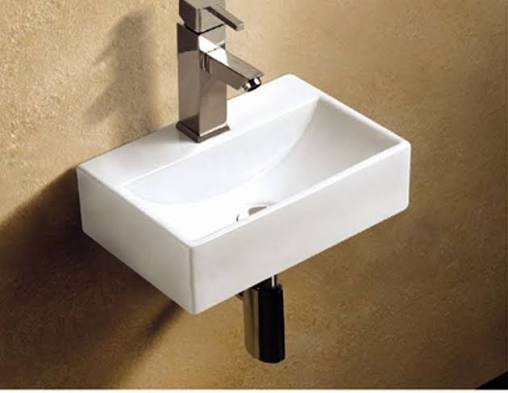
Ceramic is one of the most widely used materials for bathroom basins. Its smooth, glazed surface provides a clean appearance that works with traditional, contemporary, and minimalist interiors.
Ceramic basins are available in numerous shapes and sizes, making them suitable for narrow bathrooms, guest washrooms, and small en suites. Their versatility also makes it easier to coordinate the basin with existing bathroom fixtures.
Advantages of Ceramic Basins
Easy routine cleaning: The smooth glazed surface generally allows soap residue and everyday dirt to be removed with a soft cloth and a suitable bathroom cleaner.
Versatile design: Ceramic basins are available in rectangular, oval, square, and rounded shapes. This variety helps homeowners find a model that fits their layout.
Timeless appearance: White ceramic works well with many color schemes, from neutral interiors to bathrooms with bold decorative tiles.
Practical everyday use: Quality ceramic basins are designed for regular handwashing and bathroom use when installed and maintained correctly.
Potential Drawbacks of Ceramic
Although ceramic is durable under normal conditions, it is not immune to damage. Heavy impacts from hard objects can chip the glaze or crack the basin. Repairs may also be difficult to conceal when the damage affects the visible surface.
Ceramic basins can vary in weight, so homeowners should check the product specifications and ensure that the selected mounting system provides adequate support.
Who Should Choose Ceramic?
Ceramic is a strong option for homeowners who prioritize straightforward maintenance, versatile styling, and a familiar bathroom finish. It is particularly suitable for family bathrooms and frequently used guest washrooms where practicality is important.
2. Stone Basins: Natural Texture and Premium Appeal
<AsyncImage query=”small natural stone bathroom vessel wash basin on compact modern vanity countertop” aspectRatio=”16:9″ width=”100%” />
Stone basins bring a distinctive appearance to bathroom interiors. Depending on the stone and its finish, the surface may feature subtle veining, varied colors, or natural patterns that make each basin visually unique.
Natural stone options can include marble, granite, and other suitable stone varieties. Manufactured stone and solid-surface products offer additional design possibilities, but their properties differ from those of natural stone.
Advantages of Stone Basins
Distinctive appearance: Natural variations in color and pattern can create a focal point in a small bathroom.
Premium design: Stone can complement upscale interiors, especially when paired with coordinated countertops, metal fittings, and understated wall finishes.
Variety of finishes: Depending on the material, stone basins may have polished, honed, textured, or matte surfaces.
Design flexibility: Stone and stone-based products are available in different shapes, thicknesses, and styles.
Potential Drawbacks of Stone
Stone basins often require more attention to maintenance than glazed ceramic. Some natural stones are porous and may absorb moisture or staining substances if they are not properly sealed and maintained.
Certain stones can also react with acidic cleaners. Products containing strong acids may etch or dull sensitive surfaces, particularly marble and similar calcium-based stones.
Weight is another important consideration. A heavy stone basin may require a reinforced countertop, suitable cabinet, or specialized mounting hardware. Installation costs can therefore be higher than those associated with some lighter options.
The level of maintenance depends on the particular stone, its finish, and the manufacturer’s recommendations. Not every stone basin requires the same treatment.
Who Should Choose Stone?
Stone is suitable for homeowners who want a distinctive, premium bathroom design and are comfortable following material-specific care instructions. It can be an excellent choice for a carefully designed powder room or a small bathroom where the basin is intended to stand out.
Before purchasing, confirm whether the product requires sealing, which cleaning products are permitted, and what support is needed for installation.
3. Glass Basins: A Contemporary and Lightweight Look
<AsyncImage query=”small transparent glass vessel bathroom sink on modern compact vanity” aspectRatio=”16:9″ width=”100%” />
Glass basins are often selected for their modern appearance. Transparent, tinted, and textured designs can introduce visual interest without creating the same solid visual presence as an opaque basin.
In a small bathroom, a glass basin may complement a floating vanity, minimalist fittings, or a simple countertop. Transparent glass can allow parts of the surrounding surface to remain visible, although the overall visual effect depends on the basin’s shape, color, and installation.
Advantages of Glass Basins
Contemporary styling: Glass works well in modern interiors and can create a distinctive focal point.
Design variety: Options include clear, colored, frosted, and textured finishes, depending on the manufacturer.
Visual lightness: Transparent designs can appear less visually substantial than opaque materials.
Smooth surfaces: Many glass basins can be cleaned with a soft cloth and suitable glass or bathroom cleaner.
Potential Drawbacks of Glass
Glass surfaces can show water spots, soap residue, and fingerprints, especially when the basin has a dark or transparent finish. Regular wiping may be necessary to keep the surface looking clear.
Although bathroom basins are typically made from glass designed for their intended use, they can still be damaged by strong impacts. The product’s construction, thickness, and installation quality matter.
Glass basins also require appropriate support and careful installation. Avoid assuming that all glass products have identical impact resistance or maintenance requirements.
Who Should Choose Glass?
Glass can suit homeowners who prefer a modern, decorative bathroom and are willing to clean the surface regularly. It is especially appealing in guest bathrooms and powder rooms where visual design is a priority.
For busy family bathrooms, consider whether the extra attention needed to remove water marks will fit your cleaning routine.
4. Ceramic vs. Stone vs. Glass: A Direct Comparison
The following table summarizes the main differences between these three basin materials. Actual performance and cost depend on the specific product, finish, and installation requirements.
| Feature | Ceramic | Stone | Glass |
|---|---|---|---|
| Appearance | Classic, smooth, and versatile | Natural, textured, and premium | Modern, decorative, and sometimes transparent |
| Routine cleaning | Generally straightforward | Depends on stone type and finish | Straightforward, but water spots may be noticeable |
| Maintenance | Usually low | May require sealing or specialized care | May require frequent wiping for a spotless appearance |
| Impact resistance | Can chip or crack from hard impacts | Depends on stone type; edges may chip | Can crack or break from impacts |
| Weight | Varies by design | Often relatively heavy | Varies by thickness and design |
| Design options | Broad range of shapes and sizes | Varied natural patterns and finishes | Clear, tinted, frosted, and textured options |
| Installation | Depends on basin design and mounting style | May need stronger support | Requires suitable support and careful handling |
| Typical cost considerations | Often available across a broad range of budgets | Material and installation can be expensive | Depends on glass type, design, and finish |
| Best suited to | Everyday practicality | Premium and distinctive interiors | Contemporary decorative spaces |
No material is best for every bathroom. The right choice depends on the balance between appearance, maintenance, budget, and the demands of daily use.
5. Which Basin Material Is Best for a Small Bathroom?
The best material depends on how you use the bathroom and what you want the space to achieve.
Choose Ceramic for Everyday Practicality
Ceramic is often the most straightforward option when you want a basin that is easy to maintain and works with a wide range of interior styles.
Its versatility makes it suitable for family bathrooms, rental properties, and guest washrooms. A compact wall-mounted ceramic basin can also help preserve floor space.
Choose Stone for a Distinctive Design
Stone is worth considering when appearance is a major priority. Its natural patterns can add character to a small bathroom without requiring elaborate decoration throughout the room.
To keep the space balanced, pair a patterned stone basin with simple cabinetry, understated tiles, and coordinated fittings. Confirm the material’s maintenance requirements before buying.
Choose Glass for a Modern Appearance
Glass is a good option for homeowners who want a contemporary focal point. A clear or lightly tinted basin can complement a minimalist vanity and simple fixtures.
However, consider the visibility of water spots and fingerprints. If the bathroom is used frequently, a finish that conceals marks more effectively may be more convenient.
6. Consider Basin Shape and Installation Style
Material is only one part of the buying decision. The basin’s shape and mounting method also determine how well it fits a compact bathroom.
Wall-Mounted Basins
Wall-mounted basins leave the floor beneath the fixture open, which can make a small bathroom appear less crowded. They are available in different materials, although weight and wall support must be checked for each model.
Countertop Basins
Countertop basins create a decorative feature and can work particularly well with stone or glass designs. Make sure the counter has enough space for the basin, faucet, and everyday essentials.
Corner Basins
Corner basins use space that might otherwise remain unused. They can be useful in narrow washrooms, but their projection and bowl dimensions should still allow comfortable handwashing.
Compact Vanity Basins
Vanity basins combine the washing area with storage. This arrangement is useful when toiletries need to be kept out of sight, although the cabinet should not interfere with movement around the bathroom.
Whichever installation style you choose, review the manufacturer’s dimensions and installation instructions before ordering.
7. Maintenance Tips for Different Basin Materials
Regular maintenance can help preserve a basin’s appearance and prevent minor issues from becoming more difficult to manage.
Maintaining Ceramic Basins
- Use a soft cloth or non-abrasive sponge for routine cleaning.
- Choose a cleaner approved for the glazed surface.
- Avoid dropping heavy objects into the bowl.
- Inspect the basin periodically for chips or cracks.
Maintaining Stone Basins
- Follow the manufacturer’s recommendations for sealing and cleaning.
- Use products specifically approved for the stone type.
- Avoid acidic cleaners on materials that are sensitive to acids.
- Wipe away staining substances and standing water when appropriate.
- Check the surface periodically for changes in finish or signs of damage.
Maintaining Glass Basins
- Wipe the surface regularly to reduce visible water spots.
- Use a suitable glass or bathroom cleaner.
- Avoid abrasive pads that may scratch the finish.
- Handle heavy objects carefully around the bowl.
- Check the basin and its supports for damage or movement.
For all three materials, inspect the drain and accessible plumbing connections periodically. Promptly addressing leaks and drainage problems helps protect the basin and surrounding cabinetry.
8. Budget and Installation Costs
The purchase price of a basin does not always reflect the total cost of installing it. Homeowners should account for the basin, faucet, drain fittings, mounting hardware, countertop or vanity, and labor.
Ceramic basins are available at different price points, depending on their design, dimensions, and finish. Stone basins may cost more because of the material, fabrication, weight, and support requirements. Glass prices vary according to construction, shape, color, and design details.
Installation complexity can also affect the final budget. For example, a heavy stone basin may need a stronger vanity, while a wall-mounted model may require reinforcement or changes to existing plumbing.
When comparing prices, consider the full project cost rather than selecting a basin based solely on its initial purchase price. A well-matched product can help prevent unnecessary modifications and maintenance expenses.
9. Common Mistakes to Avoid When Choosing a Basin Material
Several common mistakes can lead to dissatisfaction after installation.
Choosing by appearance alone: A visually attractive basin may not suit your cleaning routine or daily usage.
Ignoring weight: Heavy basins need appropriate support. Check the mounting requirements before choosing a model.
Using unsuitable cleaners: Abrasive or acidic products may damage particular finishes, especially some natural stones and delicate surfaces.
Overlooking water spots: Glass and darker finishes may show marks more clearly than other surfaces.
Forgetting the faucet: A faucet that is too tall, too short, or poorly positioned can cause splashing and reduce comfort.
Skipping product specifications: Dimensions, material details, installation instructions, and warranty conditions should all be reviewed before purchase.
Underestimating the total budget: Include fittings, labor, and any required modifications when comparing options.
Avoiding these issues helps ensure that the basin suits both the bathroom’s appearance and its everyday requirements.
Conclusion
Ceramic, stone, and glass basins each offer distinct advantages for small bathrooms. Ceramic is a practical and versatile choice for everyday use, stone delivers natural character and a premium appearance, and glass provides a contemporary design that can make a distinctive visual statement.
Before making a decision, compare the materials’ cleaning requirements, durability, weight, installation needs, and overall cost. Then consider how the basin’s shape and mounting style will work within your available space.
The best basin is not simply the one that looks most attractive in a showroom. It is the one that fits your bathroom, suits your lifestyle, and remains convenient to maintain over time. By evaluating these factors carefully, you can choose a basin that combines functionality, durability, and a design that complements your home.