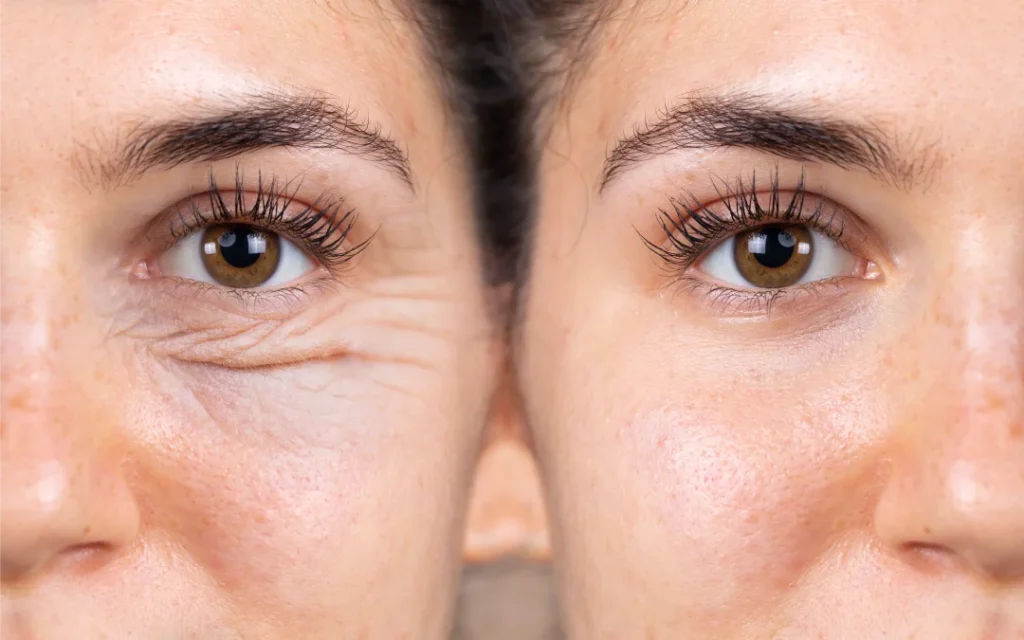

Wrinkles are a natural part of the skin’s aging process, but their appearance can vary considerably from one person to another. Some people begin noticing fine lines around their eyes during their thirties, while others become more concerned about forehead lines, deeper facial creases, or changes in skin texture later in life. Genetics, sun exposure, facial expressions, and lifestyle habits all contribute to these differences.
Choosing suitable Wrinkle Treatments requires understanding why wrinkles develop and which options are appropriate for individual skin concerns. From daily moisturizing to dermatologist-administered procedures, modern skincare offers several approaches for improving the appearance of fine lines without relying on unrealistic promises.
What Causes Wrinkles to Develop?
Skin naturally changes as people get older. Collagen and elastin, which help maintain firmness and flexibility, gradually undergo structural changes. The skin may become thinner, less elastic, and more susceptible to visible creases.
Sun exposure is another major contributing factor. Ultraviolet radiation can accelerate visible skin aging, particularly in areas that receive frequent exposure, such as the face, neck, and hands.
Other influences include smoking, environmental pollution, repeated facial movements, and individual genetics.
Understanding these factors makes it easier to select appropriate skincare practices.
Everyday Products That Help Improve Skin Appearance
A good wrinkle-focused routine does not necessarily require an expensive collection of beauty products.
Moisturizers for Softer-Looking Skin
Dry skin can make fine lines appear more noticeable. A suitable moisturizer helps maintain hydration and supports the skin’s protective barrier.
Look for formulations containing glycerin, hyaluronic acid, ceramides, or other moisturizing ingredients appropriate for your skin type.
Regular application can help the complexion appear smoother and more comfortable, although moisturizers do not eliminate deeper wrinkles.
Retinoids for Fine Lines
Retinoids are among the most widely used skincare ingredients for addressing visible signs of aging.
Certain formulations can improve the appearance of fine lines and uneven texture with consistent use. However, they may cause dryness, redness, or irritation, particularly when introduced too quickly.
Starting with a suitable formulation and following professional advice can help reduce unnecessary irritation.
Antioxidant-Based Skincare
Vitamin C is commonly included in skincare products designed to support a brighter-looking complexion and address the appearance of uneven skin tone.
Antioxidant formulations may complement a broader routine, but their results depend on formulation quality, storage, and individual skin response.
Professional Options for More Noticeable Wrinkles
When everyday products are insufficient for someone’s cosmetic goals, professional treatments may be worth discussing with a dermatologist.
Common options include:
- Chemical peels: Use selected chemical solutions to exfoliate the skin.
- Microneedling: Creates controlled microscopic punctures to stimulate a skin repair response.
- Laser resurfacing: Uses specialized light energy to address certain texture and aging concerns.
- Injectable treatments: Certain products can temporarily soften the appearance of specific facial lines.
These procedures are not interchangeable. Each has different suitability requirements, possible side effects, costs, and recovery periods.
A qualified professional should evaluate the skin and discuss realistic outcomes before treatment.
Can Skincare Devices Help?
Technology-based beauty equipment has introduced additional options for people interested in at-home facial care.
Red light LED masks, for example, use selected wavelengths of visible light and are marketed for cosmetic applications involving skin appearance. Research into photobiomodulation has explored possible effects on biological processes associated with skin structure.
However, not all consumer devices have the same technical specifications or supporting evidence. A product’s light wavelength, output, treatment duration, and safety documentation should be reviewed before use.
These devices should be considered optional skincare accessories rather than replacements for established wrinkle treatments or dermatological procedures.
Everyday Habits That Make a Difference
Some of the most practical wrinkle-prevention habits do not involve purchasing anything.
Wear broad-spectrum sunscreen with SPF 30 or higher, seek shade during periods of strong sunlight, and consider protective clothing when outdoors.
Avoid smoking, maintain a balanced diet, and develop a consistent moisturizing routine. Adequate sleep and general wellness habits also contribute to overall skin health.
It is equally important to avoid aggressive exfoliation and excessive use of active skincare ingredients.
Choosing the Right Approach for Your Skin
The most suitable wrinkle treatment depends on the type of lines, skin condition, budget, and desired level of intervention.
Some people may benefit from simple moisturizers and sunscreen, while others may prefer professionally recommended products or cosmetic procedures.
Rather than chasing instant results, focus on maintaining healthy skin and making informed decisions. With realistic expectations and consistent care, it is possible to support a smoother-looking complexion while respecting the natural aging process.