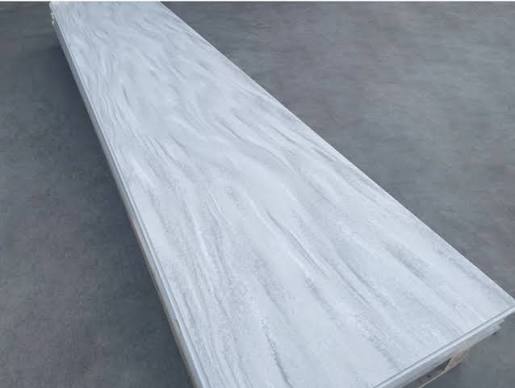

Sustainability has become an important consideration across the construction and interior design industries. Businesses are increasingly looking for building materials that combine practical performance, attractive appearance, and more responsible manufacturing practices. Solid surface materials, commonly used for countertops, bathroom vanities, reception desks, wall panels, and integrated basins, are also part of this shift. Manufacturers are exploring ways to reduce production waste, improve energy efficiency, manage raw materials, and develop products that support more sustainable building projects.
These changes are influencing how manufacturers approach material selection, production planning, quality control, and product development. A forward-thinking Solid Surface Manufacturer can contribute to more responsible manufacturing by improving resource efficiency and evaluating the environmental impact of different production stages. Understanding these developments helps architects, contractors, distributors, and buyers make better-informed decisions when sourcing solid surface products.
1. Understanding Sustainability in Solid Surface Manufacturing
Sustainable manufacturing involves producing materials while using resources efficiently and reducing avoidable environmental impacts. It considers more than the finished product and includes the entire manufacturing process, from raw material sourcing to packaging and transportation.
In solid surface production, sustainability may involve:
- Reducing raw material waste
- Improving energy efficiency
- Managing water consumption
- Selecting suitable raw materials
- Minimizing defective products
- Improving packaging efficiency
- Reducing emissions where practical
- Developing durable products
- Managing production waste responsibly
These practices can also improve manufacturing efficiency and help businesses control operating costs over time.
2. Reducing Raw Material Waste
Raw material waste is an important issue in solid surface manufacturing. Production activities such as mixing, casting, cutting, shaping, and finishing may generate leftover materials or defective components.
Manufacturers can reduce waste by improving production accuracy and planning material usage more carefully.
For example, precise cutting layouts help maximize the number of usable components obtained from each sheet. Accurate ingredient measurement also reduces unnecessary material consumption during formulation.
Other useful practices include monitoring production losses, reviewing defect patterns, and improving processes that regularly generate excess material.
Reducing waste can lower material costs while supporting more efficient resource use.
3. Improving Energy Efficiency in Production Facilities
Solid surface manufacturing involves equipment that may consume energy during mixing, forming, curing, cutting, polishing, and other processing activities.
Improving energy efficiency can reduce operating expenses and lower the environmental impact associated with production.
Manufacturers may consider several approaches:
- Using energy-efficient production equipment
- Maintaining machines regularly
- Optimizing operating schedules
- Reducing unnecessary equipment downtime
- Monitoring electricity consumption
- Improving factory lighting
- Evaluating more efficient curing systems
Energy monitoring is particularly useful because it helps identify equipment or production stages with unusually high consumption.
Over time, these improvements can contribute to more efficient factory operations.
4. Selecting More Responsible Raw Materials
Material selection has a significant influence on the environmental profile of solid surface products.
Common ingredients include resin, mineral fillers, pigments, and additives. Manufacturers can evaluate their sourcing practices, supplier information, composition, and processing requirements when selecting materials.
Potential considerations include:
- Responsible sourcing practices
- Supplier environmental management
- Material availability
- Processing efficiency
- Recycled content where technically suitable
- Product performance requirements
- Relevant environmental documentation
Material substitutions should be evaluated carefully because changes in formulation can affect product appearance, strength, fabrication behavior, and durability.
A responsible material selection process balances environmental considerations with technical performance.
5. Exploring Recycled Materials and Recycled Content
The use of recycled materials is one area being explored across the building materials industry.
Depending on the formulation and manufacturing process, certain recycled or recovered materials may be considered for use in solid surface production.
However, incorporating recycled content requires careful evaluation. Recovered materials must meet appropriate quality requirements and remain compatible with the resin system and other ingredients.
Manufacturers may need to conduct testing to assess:
- Material purity
- Particle characteristics
- Compatibility with other ingredients
- Surface appearance
- Physical performance
- Processing behavior
- Batch consistency
Not every recycled material is suitable for every solid surface formulation. Any environmental benefit should be evaluated alongside the quality and performance of the finished product.
6. Optimizing Water Consumption
Water may be used in different manufacturing and facility operations, including equipment cleaning, cooling, and general maintenance.
Reducing unnecessary water consumption can improve resource efficiency, especially in facilities with substantial production activity.
Manufacturers may introduce controlled cleaning procedures, monitor water use, maintain equipment to prevent leaks, and evaluate suitable water reuse systems.
Where water recycling is technically and environmentally appropriate, it may help reduce the demand for fresh water.
However, reused water must meet the quality requirements of the intended process. Proper treatment and monitoring are necessary to prevent contamination or production problems.
7. Using Automation to Reduce Manufacturing Waste
Automation can support sustainability by improving production accuracy and reducing errors associated with repetitive manual tasks.
Automated weighing systems help control ingredient quantities, while computer-controlled cutting equipment can follow precise layouts to reduce unnecessary offcuts.
Automated monitoring may also help manufacturers identify irregular production conditions before they result in defective products.
These technologies can improve material utilization and reduce the need for rework.
Human supervision remains important because automated systems need proper calibration, maintenance, and process evaluation to deliver reliable results.
8. Improving Product Durability and Service Life
Product durability is an important part of sustainable material selection.
Surfaces that remain functional and attractive for longer periods may require fewer replacements, reducing the need for additional raw materials, manufacturing activity, and transportation.
Solid surface products are available in different formulations, and their durability depends on material composition, manufacturing quality, thickness, installation, and maintenance.
Manufacturers can support longer service life by maintaining consistent production standards and providing accurate care instructions.
Buyers should evaluate product-specific performance information rather than assuming that every solid surface material has identical durability.
9. Developing Repairable and Maintainable Products
Maintenance and repairability can influence the long-term environmental impact of interior materials.
Some solid surface products can be sanded or refinished to address certain surface imperfections, depending on their composition and condition.
This may help restore appearance without replacing an entire component.
Manufacturers can support responsible maintenance by providing clear guidance about cleaning, scratch removal, polishing, and suitable repair procedures.
However, not all damage can be repaired through routine refinishing. Cracks, structural problems, and severe defects may require professional assessment or replacement.
10. Reducing Defects Through Better Quality Control
Defective products consume raw materials, energy, labor, and manufacturing time without delivering usable output.
Reducing defects is therefore both a quality improvement objective and a sustainability measure.
Manufacturers can introduce inspections at different production stages to identify problems before they affect larger batches.
Important inspection areas may include:
- Raw material quality
- Ingredient measurement
- Mixing consistency
- Curing conditions
- Surface appearance
- Sheet dimensions
- Cutting accuracy
- Finishing quality
Analyzing defect records can help identify recurring problems and improve manufacturing procedures.
A lower defect rate means fewer products need to be discarded, repaired, or manufactured again.
11. Improving Packaging Sustainability
Packaging protects solid surface sheets and finished components during storage and transportation. However, packaging materials can also generate waste.
Manufacturers can review packaging designs to determine whether they can reduce unnecessary material use while maintaining adequate product protection.
Potential improvements include:
- Using appropriately sized packaging
- Reducing unnecessary layers
- Selecting recyclable packaging materials where practical
- Reusing suitable protective materials
- Improving pallet arrangements
- Reducing empty space during transportation
Packaging changes must not compromise product safety. Damaged goods may create more waste and environmental costs than the packaging reduction saves.
12. Optimizing Transportation and Logistics
Transportation contributes to the environmental impact of solid surface supply chains.
Raw materials need to reach manufacturing facilities, while finished products must be delivered to distributors, contractors, and project locations.
Manufacturers and buyers can improve logistics efficiency by coordinating orders, consolidating shipments, selecting suitable transportation methods, and planning delivery routes.
For large construction projects, combining deliveries where practical may reduce repeated transportation requirements.
Accurate packaging dimensions and efficient container loading can also improve the amount of usable product transported in each shipment.
13. Adopting Cleaner Manufacturing Technologies
Technological development is creating opportunities to improve manufacturing efficiency and environmental performance.
Modern equipment may offer better process control, more accurate material measurement, and reduced energy consumption compared with older systems.
Manufacturers can evaluate technologies that help optimize mixing, curing, cutting, and surface finishing.
However, investing in new equipment does not automatically make a production facility sustainable.
The actual benefits depend on energy consumption, equipment lifespan, maintenance requirements, production output, and the environmental impact of replacing existing machinery.
A careful evaluation helps manufacturers select technologies that provide measurable improvements.
14. Improving Chemical Management and Workplace Practices
Solid surface manufacturing may involve resins, pigments, additives, cleaning products, and other chemical materials.
Responsible chemical management is important for environmental protection and workplace safety.
Manufacturers should follow applicable regulations and supplier safety instructions when storing, handling, and disposing of these materials.
Good practices include:
- Maintaining accurate chemical inventories
- Providing suitable employee training
- Using appropriate protective equipment
- Preventing spills and leaks
- Following safe storage procedures
- Managing chemical waste responsibly
- Maintaining relevant safety documentation
These measures help reduce the risk of environmental contamination and improve production workplace conditions.
15. Using Data to Measure Sustainability Performance
Sustainability improvements are more effective when manufacturers can measure their results.
Production data can help identify areas where resources are being used inefficiently and where improvements may be possible.
Useful performance indicators include:
| Indicator | What it helps measure |
|---|---|
| Material waste rate | Amount of raw material lost during production |
| Energy consumption | Electricity or fuel used during manufacturing |
| Water consumption | Water used in factory operations |
| Defect rate | Percentage of products requiring rework or rejection |
| Production efficiency | Output achieved using available resources |
| Packaging usage | Amount and type of packaging materials consumed |
| Shipment utilization | Efficiency of transportation arrangements |
Regularly reviewing these indicators allows management teams to compare performance over time and set realistic improvement targets.
16. Supporting Green Building and Sustainable Construction Projects
Construction companies and designers increasingly consider environmental information when selecting building materials.
Solid surface products may be included in projects that follow green building frameworks, depending on their composition, documentation, and the requirements of the specific certification system.
Manufacturers can support these projects by providing accurate information about material ingredients, manufacturing practices, environmental declarations, and product characteristics.
Buyers should check whether the available documentation meets the requirements of their chosen building assessment system.
It is important to avoid assuming that a product automatically qualifies for a green building certification simply because it is described as environmentally friendly.
17. Reducing Environmental Impact Through Better Production Planning
Production planning can contribute to more sustainable manufacturing by helping facilities use materials, equipment, and labor efficiently.
Poor scheduling may result in repeated equipment setup, unnecessary material handling, idle machinery, and rushed production.
A coordinated production plan helps manufacturers group similar tasks, manage inventory, and reduce avoidable interruptions.
For example, organizing orders by compatible colors or product specifications may reduce the need for frequent production adjustments.
Accurate demand forecasting also helps prevent excessive inventory and unnecessary production.
18. Encouraging Responsible Supplier Partnerships
Sustainable manufacturing depends partly on the environmental practices of raw material suppliers and other business partners.
Manufacturers can evaluate suppliers based on material quality, sourcing information, regulatory compliance, delivery reliability, and environmental management practices.
Long-term supplier relationships may also support better planning and more consistent material availability.
For important materials, buyers and manufacturers can request relevant documentation and review whether suppliers meet established purchasing requirements.
Responsible sourcing should be supported by evidence rather than relying only on general environmental statements.
19. Developing New Solid Surface Formulations
Research and development teams continue to explore ways to improve solid surface formulations.
Potential areas of development include alternative raw materials, improved resin systems, recycled content, more efficient processing, and finishes that meet changing architectural requirements.
Each new formulation needs careful testing to ensure that environmental objectives do not compromise product quality.
Testing may examine material compatibility, color stability, processing behavior, mechanical characteristics, and suitability for intended applications.
Successful product development requires a balance between innovation, manufacturing practicality, and customer expectations.
20. How Buyers Can Identify More Sustainable Solid Surface Manufacturers
Businesses sourcing solid surface products can consider several factors when evaluating a manufacturer’s sustainability practices.
Material sourcing: Does the manufacturer provide information about raw materials and supplier standards?
Production efficiency: Are there documented efforts to reduce energy use and manufacturing waste?
Recycled content: Does the company offer products with verified recycled content where applicable?
Quality management: Are production defects monitored and addressed?
Environmental documentation: Can the manufacturer provide relevant certifications, declarations, or test reports?
Packaging: Are packaging materials selected and used efficiently?
Product maintenance: Does the manufacturer provide guidance that supports long-term product care?
Transparency: Are environmental claims supported by measurable information?
These questions help buyers distinguish between documented sustainability practices and unsupported promotional statements.
Conclusion
Sustainable production methods are changing solid surface manufacturing by encouraging more efficient material use, improved energy management, waste reduction, responsible sourcing, and better production control. Manufacturers are also exploring recycled materials, cleaner technologies, durable product formulations, and more efficient packaging and transportation methods.
These improvements can benefit both the environment and manufacturing operations when they are implemented carefully and supported by measurable results. For buyers, evaluating material specifications, environmental documentation, production practices, and product durability is essential when choosing a supplier. As the construction industry continues to focus on resource efficiency and responsible material selection, sustainable manufacturing practices will remain an important consideration in the development of solid surface products.