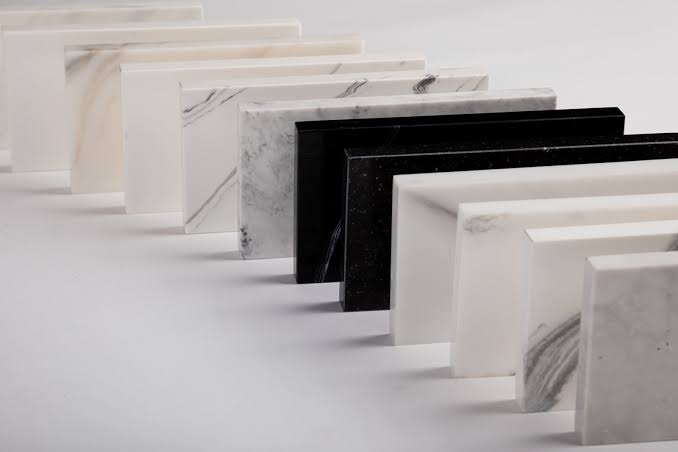

Solid surface materials are widely used in modern kitchens, bathrooms, commercial buildings, and hospitality interiors. Their design flexibility, smooth appearance, and potential for customized fabrication make them suitable for a variety of applications. However, like other manufactured materials, solid surfaces can develop problems when they are exposed to unsuitable conditions, poorly maintained, or incorrectly installed.
Understanding common material issues is important for homeowners, contractors, architects, and commercial buyers. Knowing how to identify and prevent these problems can help preserve the appearance and functionality of countertops, vanity tops, basins, and decorative panels. When evaluating products such as KKR Solid Surface, buyers should also review the manufacturer’s technical specifications and maintenance recommendations to understand the limitations of the particular material.
1. Surface Scratches from Everyday Use
Scratches are among the most common problems that can affect frequently used solid surface countertops and other exposed components. Repeated contact with sharp utensils, metal objects, tools, and abrasive materials may gradually change the surface appearance.
The likelihood of scratching depends on the material formulation, finish, and type of contact.
Common Causes
- Cutting food directly on kitchen countertops.
- Dragging heavy appliances or metal containers across the surface.
- Using abrasive cleaning pads.
- Placing sharp tools on exposed countertops.
- Allowing rough objects to repeatedly contact vanity tops or service counters.
Prevention Methods
Using cutting boards and protective pads can reduce direct contact with sharp or abrasive objects. Heavy appliances should be lifted rather than dragged across the surface.
Cleaning teams should also use soft cloths and approved cleaning products instead of abrasive tools.
Some solid surface products may allow professional refinishing of minor scratches. However, repair procedures depend on the specific formulation and finish.
2. Heat Damage and Discoloration
Although solid surface materials are designed for different interior applications, they should not automatically be considered resistant to direct high temperatures.
Excessive heat may cause discoloration, surface deformation, or other damage, depending on the product.
Common Causes
Kitchen countertops are particularly exposed to heat-related risks. Placing hot cookware directly on a surface, positioning heat-producing appliances too close to vulnerable areas, or exposing the material to sudden temperature changes may cause problems.
Prevention Methods
- Use trivets or heat-resistant mats under hot cookware.
- Avoid placing hot pans directly on countertops.
- Follow the manufacturer’s recommended temperature limits.
- Maintain suitable spacing around heat-producing appliances.
- Avoid sudden temperature changes where the product documentation identifies a risk.
For commercial kitchens, staff should receive clear instructions about safe countertop use.
3. Stains from Food, Liquids, and Household Products
Spills are common in kitchens, bathrooms, hotels, and other commercial environments. Substances such as coffee, tea, cooking oils, sauces, cosmetics, and cleaning solutions may leave marks if they remain on a surface for an extended period.
Stain resistance varies according to the material composition, color, finish, and type of staining agent.
Common Causes
Staining problems may occur when spills are not cleaned promptly or when unsuitable cleaning products are used.
Certain chemicals may also react with a surface finish and create discoloration.
Prevention Methods
Clean spills as soon as practical using a soft cloth and a cleaning product approved for the specific material.
For difficult stains, follow the manufacturer’s recommended cleaning procedure instead of experimenting with strong chemicals.
Commercial facilities should provide cleaning staff with written instructions covering approved products and stain-removal methods.
4. Discoloration from Sunlight and Environmental Exposure
Changes in color can affect the appearance of some solid surface products over time. The extent of discoloration depends on the formulation, pigments, environmental conditions, and exposure duration.
Spaces with large windows, outdoor-facing installations, or strong artificial lighting may require additional evaluation.
Common Causes
Long-term exposure to ultraviolet radiation and environmental conditions may affect certain materials or finishes.
Inconsistent cleaning practices can also contribute to visible changes in appearance.
Prevention Methods
Before installing solid surface products in areas with strong sunlight, confirm their suitability with the manufacturer.
Where appropriate, use window coverings or other design measures to manage direct exposure.
Buyers should also request information about color stability and any relevant testing before selecting materials for demanding environments.
5. Cracks and Structural Damage
Cracks are more serious than minor surface scratches because they may indicate problems with support, installation, fabrication, or material condition.
They can affect the appearance and functionality of countertops, vanity tops, and other solid surface components.
Common Causes
Cracking may result from excessive loading, inadequate structural support, impact damage, poor handling, or unsuitable installation methods.
Large unsupported sections and poorly prepared cutouts may also create areas of increased stress.
Prevention Methods
- Follow the manufacturer’s installation instructions.
- Provide appropriate support for the countertop dimensions and design.
- Ensure that sink and appliance cutouts are fabricated correctly.
- Avoid placing excessive weight on unsupported sections.
- Protect components during transportation and installation.
- Arrange professional assessment if cracks appear.
A damaged component should not be assumed safe for continued use without inspection.
6. Joint Separation and Visible Seams
Solid surface installations sometimes require multiple pieces to be joined together. This may occur in long countertops, large reception desks, vanity tops, or customized architectural components.
Poorly prepared or improperly installed joints can become visible or separate over time.
Common Causes
Joint problems may result from incorrect fabrication, unsuitable adhesives, contamination, movement in the supporting structure, or inadequate installation procedures.
Environmental conditions and product compatibility may also influence joint performance.
Prevention Methods
Professional fabricators should follow the manufacturer’s recommended joining procedures and use compatible materials.
Before installation, surfaces should be prepared correctly, and joints should be inspected for alignment and finish quality.
The supporting structure should also be stable to reduce unnecessary movement.
For large commercial projects, joint locations should be planned during the design stage rather than left entirely to the installation team.
7. Water-Related Problems Around Sinks and Edges
Solid surface materials are often selected for kitchens and bathrooms, where water exposure is part of everyday use.
However, water-related problems may develop when installation details are inadequate or vulnerable areas are not maintained properly.
Common Causes
Potential causes include poorly sealed connections, damaged joints, incorrect installation around sinks, and water entering areas beneath the surface.
Even when a product has moisture-resistant characteristics, its performance depends on the complete installation.
Prevention Methods
Use qualified installers who understand the material’s fabrication and sealing requirements.
Inspect areas around sinks, faucets, backsplashes, and joints periodically.
Clean standing water and investigate signs of moisture beneath or around installed components.
Buyers should confirm the moisture-related specifications of the particular product before selecting it for wet environments.
8. Damage from Harsh Cleaning Chemicals
Cleaning products are necessary for maintaining solid surface materials, especially in commercial facilities. However, not every chemical is suitable for every formulation or finish.
Strong solvents, concentrated acids, alkalis, and other aggressive substances may cause discoloration, surface changes, or finish damage.
Common Causes
Damage can occur when cleaning staff use products without checking their compatibility with the countertop material.
Leaving a chemical on the surface for longer than recommended may also increase the risk of damage.
Prevention Methods
- Follow the manufacturer’s cleaning instructions.
- Use approved mild cleaning solutions for routine care.
- Avoid unapproved solvents and aggressive chemicals.
- Do not mix different cleaning products.
- Rinse and dry the surface when required by the product instructions.
- Train cleaning staff to recognize suitable products.
For commercial installations, maintaining a list of approved cleaning agents can help prevent accidental damage.
9. Loss of Surface Finish and Shine
Over time, the appearance of a solid surface finish may change because of repeated use, unsuitable cleaning, abrasion, or exposure to chemicals.
Polished finishes may become less uniform, while matte finishes may develop visible marks or uneven areas.
Common Causes
Frequent scrubbing with abrasive tools, improper refinishing, and contact with unsuitable substances can affect surface appearance.
In busy commercial environments, repeated contact may also contribute to gradual wear.
Prevention Methods
Use cleaning tools appropriate for the selected finish.
Follow recommended care procedures and avoid attempting to polish or refinish the material without understanding its specific requirements.
Where the appearance has changed significantly, a qualified professional can assess whether refinishing is appropriate.
10. Uneven Color and Pattern Variations
Color consistency is particularly important when several solid surface components are installed together.
Differences between sheets or production batches may become noticeable in large kitchens, hotel bathrooms, reception areas, and commercial developments.
Common Causes
Variations may result from differences in pigment distribution, manufacturing batches, production conditions, or the natural appearance of decorative patterns.
Lighting conditions can also make similar colors appear different.
Prevention Methods
Request physical samples before confirming an order.
For large projects, discuss batch planning and color consistency with the supplier. Where possible, procure components for the same installation from a coordinated production batch.
Inspect samples and finished products under lighting conditions similar to those in the final space.
11. Problems Caused by Poor Installation
Installation quality has a major influence on the performance of solid surface products.
Incorrect measurements, inadequate support, poor joint preparation, and unsuitable fabrication methods can lead to problems even when the material itself meets its specifications.
Common Installation Mistakes
- Inaccurate measurements.
- Incorrectly positioned cutouts.
- Insufficient structural support.
- Poor edge finishing.
- Incompatible joining materials.
- Improper handling during installation.
- Failure to follow the manufacturer’s instructions.
Prevention Methods
Choose experienced fabricators and installers who are familiar with the selected product.
Review drawings and measurements before fabrication begins.
The installation team should also inspect the finished surface, joints, edges, and connections before handing over the project.
12. Problems Caused by Incorrect Material Selection
Not every solid surface product is suitable for every environment.
A product intended for a decorative application may not meet the performance requirements of a busy kitchen, commercial washroom, or frequently used service counter.
Common Selection Mistakes
Some buyers focus mainly on color and price without reviewing the product’s technical characteristics.
Others may assume that all solid surface materials have identical heat resistance, chemical resistance, or mechanical properties.
Prevention Methods
Evaluate the intended application before choosing a product.
Review information about:
- Material composition.
- Recommended applications.
- Thickness and dimensions.
- Heat-related limitations.
- Stain and chemical resistance.
- Moisture-related performance.
- Cleaning and maintenance requirements.
- Relevant testing and certifications.
Request technical documentation and samples to support the purchasing decision.
13. Repairing Minor Solid Surface Damage
Some solid surface products can be repaired or refinished when they develop minor surface imperfections. However, the available repair options depend on the material formulation and the extent of the damage.
Minor Scratches
Certain superficial scratches may be addressed through approved refinishing procedures.
The process may involve carefully restoring the surface finish using suitable materials and techniques.
Small Surface Marks
Some stains or marks may respond to product-approved cleaning methods.
Before using a stronger cleaning procedure, buyers should confirm that it will not damage the finish.
More Serious Damage
Cracks, deep impact damage, and structural problems generally require professional assessment.
A technician can determine whether repair, reinforcement, or replacement is the most appropriate solution.
Why Professional Guidance Matters
Using an unsuitable repair product or aggressive technique may make the damage worse.
Following manufacturer recommendations helps protect the remaining material and maintain a consistent appearance.
14. Developing a Preventive Maintenance Routine
Regular maintenance is one of the most practical ways to reduce avoidable surface problems.
A suitable maintenance routine should reflect the product’s specifications and the frequency of use.
Daily Maintenance
For routine care:
- Remove spills promptly.
- Clean the surface with an approved solution.
- Use a soft cloth or suitable cleaning tool.
- Avoid placing sharp objects directly on the surface.
- Use protective mats where appropriate.
Weekly or Periodic Maintenance
Inspect frequently used areas for scratches, stains, loose joints, and other visible changes.
Commercial facilities may need more frequent inspections because their surfaces experience heavier use.
Long-Term Maintenance
Review the condition of edges, joints, sink connections, and other vulnerable areas.
Arrange professional repairs when damage cannot be managed through routine cleaning.
A documented maintenance schedule can help hotels, offices, restaurants, and other commercial properties keep track of inspections and repairs.
15. How Manufacturers Can Reduce Common Quality Problems
Preventing surface problems begins before a product reaches the customer.
Manufacturers can reduce defects by maintaining appropriate controls throughout production.
Raw Material Inspection
Incoming materials should be checked against established specifications to support formulation consistency.
Production Monitoring
Mixing, molding, curing, and finishing procedures should follow documented requirements.
Dimensional and Visual Inspection
Finished products should be examined for surface defects, dimensional accuracy, and consistency with approved samples.
Performance Testing
Where relevant, manufacturers may test properties such as stain resistance, hardness, chemical compatibility, and other characteristics required for the intended application.
Packaging and Handling
Suitable packaging and careful transportation procedures help prevent scratches, cracks, and edge damage before installation.
These measures contribute to more reliable products and help reduce avoidable problems throughout the supply chain.
16. What Buyers Should Check Before Purchasing Solid Surface Materials
Careful evaluation before purchase can prevent many problems associated with unsuitable materials or unclear product expectations.
Buyers should consider the following questions:
- Is the product suitable for the intended application? Check whether the material is recommended for kitchens, bathrooms, or commercial interiors.
- What are its technical limitations? Review heat, chemical, moisture, and scratch-related specifications.
- Are samples available? Examine the color, texture, and finish before placing a large order.
- How is product quality inspected? Ask about manufacturing controls and finished-product inspections.
- What are the installation requirements? Confirm support, joint preparation, and fabrication recommendations.
- Which cleaning products are approved? Request written maintenance instructions.
- Can the material be repaired? Understand the available repair options and their limitations.
- How is the product packaged? Check how surfaces and edges are protected during transportation.
- Is technical support available? Confirm how installation and product-related questions are handled.
These checks help buyers select materials based on practical requirements rather than appearance alone.
Conclusion
Solid surface materials can provide attractive and versatile solutions for kitchens, bathrooms, hotels, offices, and other commercial environments. However, scratches, heat damage, stains, cracks, joint separation, discoloration, and installation problems can affect their appearance and usability when materials are selected or maintained incorrectly.
Most preventable problems can be reduced through suitable product selection, professional fabrication, careful installation, and consistent maintenance. Buyers should review technical documentation, understand product limitations, and follow manufacturer-approved cleaning and repair procedures. By taking these steps, property owners and project managers can help maintain the performance and appearance of solid surface installations over time.