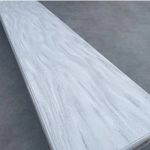

Customized solid surface countertops and sinks have become popular choices in residential, commercial, and hospitality interior projects. Their smooth appearance, flexible design possibilities, and ability to accommodate different dimensions make them suitable for kitchens, bathrooms, hotels, offices, and public facilities. Unlike standard prefabricated products, customized components can be manufactured according to specific drawings, installation requirements, and aesthetic preferences.
China has developed a broad manufacturing industry for solid surface sheets and finished interior products. Manufacturers serving buyers interested in Solid Surfaces China offer different customization options, including integrated basins, curved countertops, special colors, and project-specific dimensions. Producing these products involves several coordinated stages, from design planning and material preparation to molding, fabrication, polishing, and final inspection. Understanding this process helps buyers communicate their requirements and evaluate manufacturing capabilities.
1. Understanding Customized Solid Surface Products
Solid surface countertops and sinks are manufactured from formulated materials that generally combine resin, mineral fillers, pigments, and other additives. The exact composition varies between product types and manufacturers.
These materials can be processed into different shapes and sizes, making them suitable for customized interior components.
Common customized products include:
- Kitchen countertops
- Bathroom vanity tops
- Integrated washbasins
- Reception counters
- Commercial washroom surfaces
- Hotel bathroom installations
- Laboratory worktops
- Decorative countertop components
Customization allows manufacturers to produce products that fit specific spaces rather than requiring buyers to rely entirely on standard dimensions.
2. Initial Design Consultation and Requirement Analysis
The manufacturing process begins with understanding the customer’s requirements. Buyers may provide architectural drawings, technical sketches, reference photographs, or physical measurements.
The manufacturer reviews these details to determine whether the proposed design can be produced using the available material and fabrication methods.
Important design information includes:
- Overall countertop dimensions
- Required sheet thickness
- Sink or basin dimensions
- Basin shape and depth
- Edge profile
- Surface color and finish
- Tap and drainage positions
- Installation requirements
For complex projects, the manufacturer may request additional information about supporting structures, plumbing connections, and site conditions.
Accurate planning at this stage helps reduce design changes and production errors later.
3. Selecting the Appropriate Solid Surface Material
Material selection is an important part of customized countertop and sink manufacturing. Different solid surface formulations offer different characteristics, and buyers should select products according to their intended applications.
Common material categories include acrylic-based, polyester-based, and modified solid surface formulations.
The selection process may consider:
- Material composition
- Physical performance
- Fabrication requirements
- Color availability
- Surface characteristics
- Maintenance expectations
- Project budget
Acrylic-based materials are often selected for applications requiring particular thermoforming and fabrication possibilities. Other formulations may provide different performance and cost characteristics.
Manufacturers should provide technical specifications and explain the limitations of the selected material before production begins.
4. Color and Pattern Customization
Color selection has a major influence on the final appearance of a countertop or sink. Manufacturers generally offer standard color collections as well as options for customized designs.
Popular choices include pure white, cream, beige, gray, black, and decorative stone-inspired patterns.
Customization may involve:
- Matching an existing interior color scheme
- Developing a special shade
- Creating marble-like patterns
- Selecting speckled finishes
- Coordinating countertops with basins
- Producing consistent colors across multiple components
The process may require sample preparation and customer approval. Buyers should examine physical samples under suitable lighting because digital images may not accurately represent the final appearance.
For projects involving multiple units, color consistency should be included in the approved production specifications.
5. Preparing Raw Materials
Once the design and material specifications are approved, manufacturers prepare the raw materials required for production.
Depending on the formulation, these may include resin, aluminum trihydrate or other mineral fillers, pigments, and additional ingredients.
The quantities and proportions must be controlled carefully because variations can influence the material’s appearance and physical characteristics.
Typical preparation activities include:
- Inspecting incoming raw materials.
- Checking material specifications.
- Measuring the required ingredients.
- Preparing pigments and additives.
- Organizing materials for mixing.
- Confirming production requirements.
Accurate material preparation provides a foundation for consistent manufacturing.
6. Mixing and Material Formulation
After preparation, the ingredients are combined using suitable mixing equipment. The objective is to distribute mineral fillers, pigments, and other components consistently throughout the formulation.
Poor mixing can contribute to uneven coloration, visible imperfections, or inconsistent material characteristics.
Manufacturers may use controlled mixing procedures to manage ingredient proportions, mixing duration, and production conditions.
Important process considerations include:
- Accurate ingredient measurement
- Consistent mixing procedures
- Suitable equipment operation
- Pigment distribution
- Material uniformity
- Batch identification
The exact process depends on the manufacturer’s formulation and production technology.
7. Molding and Sheet Production
The prepared material is transferred into molds or production systems designed to create solid surface sheets or other components.
Molding determines the product’s basic dimensions, thickness, and initial form. The manufacturing method may vary according to the material formulation and product design.
During this stage, manufacturers need to control production conditions to reduce defects such as air bubbles, uneven surfaces, and dimensional variations.
For customized projects, the manufacturer may first produce standard sheets and then fabricate them into finished countertops and sinks. In other cases, specialized molds may be used for particular product shapes.
8. Curing and Material Stabilization
Curing allows the material to develop its required structure and physical characteristics. The specific curing method and conditions depend on the resin system and manufacturing process.
Temperature, time, and other production parameters may need careful control.
After curing, the material may undergo additional stabilization or conditioning before further processing.
Manufacturers inspect products for visible defects and dimensional consistency before moving them to the fabrication stage.
9. Cutting Sheets to Customized Dimensions
Once suitable solid surface sheets are available, manufacturers cut them according to the approved countertop drawings.
Precision cutting is important because the dimensions must match the intended installation space and accommodate sinks, appliances, walls, and other components.
Common cutting activities include:
- Trimming sheet edges
- Cutting countertop sections
- Preparing sink openings
- Creating backsplash pieces
- Producing side panels
- Preparing joints and connection areas
Computer-controlled cutting equipment may help improve dimensional accuracy and material utilization.
Before fabrication continues, the manufacturer should verify the dimensions against the approved technical drawings.
10. Fabricating Customized Countertop Shapes
Countertops may have different layouts depending on the project. Straight, L-shaped, U-shaped, curved, and island configurations are common examples.
Manufacturers use suitable cutting, shaping, and fabrication techniques to produce the required geometry.
Special attention may be necessary for:
- Corner sections
- Curved edges
- Joint positions
- Backsplash connections
- Overhangs
- Appliance openings
- Sink cutouts
For projects with complex shapes, the manufacturer may use templates or digital design files to guide production.
Accurate fabrication helps ensure that the finished countertop can be installed according to the planned layout.
11. Manufacturing Customized Solid Surface Sinks
Solid surface sinks can be produced in different shapes, dimensions, and configurations. Depending on the design, manufacturers may use molded components, fabricated sections, or integrated construction methods.
Common sink styles include:
- Rectangular bathroom basins
- Oval washbasins
- Square countertop basins
- Integrated vanity sinks
- Undermount-style configurations
- Customized commercial washbasins
The manufacturing process may involve creating the basin shape, preparing drainage openings, finishing edges, and ensuring compatibility with the countertop.
The basin’s depth, slope, drainage position, and connection details should be reviewed carefully before production.
12. Creating Integrated Countertops and Sinks
Integrated solid surface countertops and sinks are designed to create a coordinated appearance between the working surface and basin.
In many fabricated designs, the sink and countertop are produced separately and then bonded together using suitable materials and techniques. The joint is subsequently finished to achieve a smooth transition.
The process generally includes:
- Preparing the countertop opening.
- Positioning the sink component.
- Applying an appropriate bonding material.
- Securing the components.
- Allowing the bond to cure.
- Sanding and finishing the joint.
- Inspecting the completed assembly.
Good workmanship is important because visible joints, uneven surfaces, or poor alignment can affect the finished appearance.
The exact construction method varies according to the product design and manufacturer’s fabrication capabilities.
13. Edge Profiling and Decorative Details
Countertop edges contribute to both appearance and usability. Manufacturers can produce different edge profiles according to the customer’s design preferences.
Common options include:
- Straight edges
- Rounded edges
- Beveled edges
- Bullnose profiles
- Decorative edge shapes
- Customized curved profiles
Additional details may include integrated backsplashes, drainage grooves, raised sections, and specially shaped corners.
These features require accurate cutting and finishing. Buyers should confirm the selected edge design through drawings or physical samples before production.
14. Sanding and Surface Polishing
After the countertop and sink components have been fabricated and assembled, the surfaces undergo finishing operations.
Sanding helps smooth joints, remove minor fabrication marks, and prepare the material for its final appearance.
Depending on the selected finish, manufacturers may use different abrasive grades and polishing procedures.
Common finishing options include:
- Matte finishes
- Satin finishes
- Semi-gloss finishes
- High-gloss finishes
The final appearance should be consistent across connected countertop and sink components.
Excessive or inconsistent sanding can affect the surface, so manufacturers should follow suitable finishing procedures for the selected material.
15. Quality Inspection and Performance Testing
Quality inspection is an essential stage before customized products are packaged and shipped. Manufacturers need to confirm that the finished components match the approved design and relevant technical requirements.
Inspection may cover:
| Inspection area | What is evaluated |
|---|---|
| Dimensions | Length, width, thickness, and tolerances |
| Surface appearance | Scratches, discoloration, and visible defects |
| Color | Consistency with approved samples |
| Joints | Bonding quality and visible transitions |
| Sink construction | Shape, depth, and drainage openings |
| Edge finishing | Smoothness and profile accuracy |
| Physical performance | Relevant material test results |
| Overall assembly | Compatibility with the approved drawings |
For larger orders, buyers may arrange independent inspections before shipment.
Testing requirements should reflect the product’s intended use rather than assuming that every countertop or sink requires the same evaluation.
16. Packaging Customized Countertops and Sinks
Customized countertops and sinks often have irregular shapes and delicate finished edges. Suitable packaging is therefore important to protect products during handling and transportation.
Manufacturers may use:
- Protective surface films
- Foam padding
- Reinforced cartons
- Corner protectors
- Wooden crates
- Pallets
- Customized internal supports
Large countertops may require special arrangements to prevent bending or excessive pressure. Integrated sinks and other finished components may need additional protection around joints and protruding sections.
Buyers should confirm packaging specifications before production is completed, particularly when products will travel long distances.
17. International Shipping and Installation Preparation
After inspection and packaging, finished products are prepared for shipment. Manufacturers and buyers need to coordinate loading arrangements, export documentation, and transportation schedules.
Before dispatch, importers should confirm:
- Product quantities
- Packaging condition
- Shipping marks
- Commercial invoice
- Packing list
- Relevant technical documents
- Agreed delivery terms
- Destination requirements
Installation preparation is also important. Buyers should request relevant fabrication and installation guidance, including information about supporting structures, adhesives, expansion allowances, and plumbing connections.
Even accurately manufactured products may require adjustments at the installation site, so coordination between the manufacturer, fabricator, and contractor is essential.
18. Benefits of Working with Experienced Chinese Manufacturers
An experienced manufacturer can help buyers coordinate the different stages of customized solid surface production.
Potential advantages include:
- Access to different material formulations
- Wider color and finish selections
- Custom dimensions and shapes
- Integrated sink manufacturing
- Coordinated production of multiple components
- Technical support during design development
- Experience handling international orders
However, capabilities vary between suppliers. Buyers should verify the manufacturer’s actual production resources, review samples, and examine quality documentation before selecting a business partner.
19. How Buyers Can Prepare for a Customized Order
Good preparation helps manufacturers understand project requirements and reduces the possibility of errors during production.
Before requesting a quotation, buyers should organize the following information:
- Project drawings: Provide accurate dimensions and layout details.
- Material requirements: Identify the preferred formulation and thickness.
- Color references: Share physical samples or approved color specifications.
- Sink details: Confirm basin shape, depth, drainage, and tap positions.
- Edge profiles: Specify the required countertop edge design.
- Finish selection: Identify matte, satin, or polished requirements.
- Order quantity: Confirm the number of components required.
- Delivery schedule: Provide the expected production and shipping timeline.
- Quality standards: Establish inspection requirements and acceptable tolerances.
- Packaging instructions: Explain any special transportation or handling needs.
Providing complete information makes it easier for manufacturers to assess production feasibility and prepare accurate quotations.
Conclusion
Chinese manufacturers produce customized solid surface countertops and sinks through a coordinated process involving design consultation, material selection, raw material preparation, mixing, molding, curing, cutting, fabrication, bonding, and finishing. Each stage contributes to the final product’s dimensions, appearance, and functional characteristics.
Customization allows buyers to develop countertops and sinks that match specific interior layouts, color schemes, and installation requirements. However, successful production depends on accurate technical information, appropriate material selection, skilled fabrication, and effective quality control.
For importers, architects, contractors, and furniture manufacturers, understanding the manufacturing process makes it easier to communicate with suppliers and evaluate their capabilities. By preparing detailed specifications, approving samples, and confirming inspection and packaging arrangements, buyers can improve order accuracy and achieve more reliable results in customized solid surface projects.