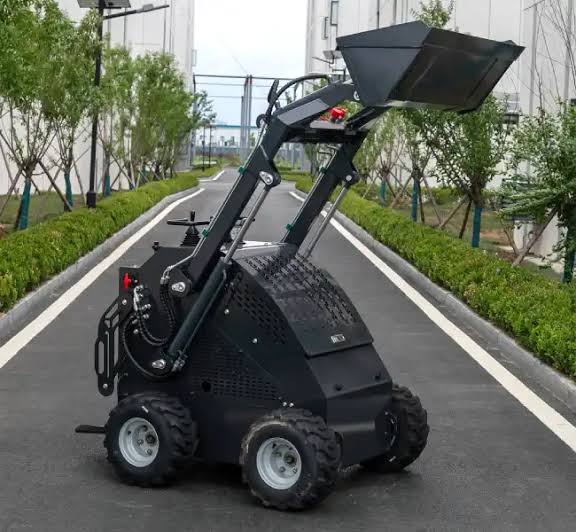

Questions to Ask an Electric Skid Steer Loaders Supplier Before Making a Purchase
Purchasing an electric skid steer loader is an important investment for construction companies, warehouses, agricultural businesses, and other operations that rely on compact equipment. The right machine can help improve productivity, reduce local emissions, and support work in noise-sensitive environments. However, selecting suitable equipment requires more than comparing prices and specifications.
Before placing an order, buyers should ask detailed questions about machine performance, battery capacity, charging requirements, warranty coverage, spare parts, and after-sales service. Speaking with an experienced Electric Skid Steer Loaders Supplier can help clarify these factors and determine whether a particular machine meets the needs of the business.
1. Is This Model Suitable for My Application?
Start by explaining how and where the loader will be used. Different jobs require different combinations of lifting capacity, maneuverability, attachment compatibility, and operating endurance.
Ask the supplier:
- What applications is this model designed for?
- What is its rated operating capacity?
- Can it handle the materials and loads used in my business?
- Is it suitable for indoor, outdoor, or mixed environments?
- What surface conditions can it operate on?
- Are there limitations for slopes, uneven terrain, or confined spaces?
The answers should be supported by technical specifications rather than general performance claims. A machine suitable for warehouse handling may not be the best choice for demanding construction work.
Consider sharing information about your typical workload, daily operating hours, and worksite conditions. This allows the supplier to recommend equipment based on actual requirements.
2. What Are the Main Technical Specifications?
Understanding the machine’s specifications helps you compare models objectively. Ask for a complete technical datasheet before making a decision.
Important specifications include:
- Rated operating capacity and tipping load.
- Lift height and reach.
- Operating weight and overall dimensions.
- Travel speed and turning characteristics.
- Hydraulic flow and operating pressure.
- Motor power and control system details.
- Compatible attachments and connection requirements.
Pay attention to how specifications are defined. For example, rated operating capacity and tipping load are different measurements and should not be treated as interchangeable.
If you intend to use the loader in narrow aisles or restricted work areas, confirm its width, turning requirements, and clearance needs. These details help determine whether the machine can move safely and efficiently through your facility.
3. How Long Can the Battery Operate on a Single Charge?
Battery runtime is one of the most important considerations when buying an electric skid steer loader. The actual operating time depends on battery capacity, workload, ambient temperature, terrain, attachment use, and operating habits.
Ask the supplier:
- What is the battery’s rated capacity?
- What runtime can be expected under typical working conditions?
- Are the runtime figures based on light-duty or heavy-duty operation?
- How does intensive hydraulic use affect battery consumption?
- What battery chemistry is used?
- How does the battery perform in hot or cold environments?
Request realistic estimates based on your intended application. A runtime figure obtained under light-duty conditions may not reflect a full day of demanding material handling.
It is also useful to ask whether the machine provides battery-level monitoring or low-charge warnings. These features can help operators plan charging intervals and reduce unexpected interruptions.
4. What Charging Equipment Is Included?
The loader’s charging requirements should be compatible with your worksite infrastructure. A machine may be suitable for your application but difficult to operate efficiently if the necessary electrical supply is unavailable.
Ask whether the purchase includes a charger and whether the charger is compatible with the machine’s battery system. Confirm the required voltage, current, connector type, and any installation requirements.
You should also ask:
- How long does a typical charging cycle take?
- Is opportunity charging supported?
- Can the machine be charged during scheduled breaks?
- Are special electrical installations required?
- What charging practices help protect battery life?
If your business operates multiple shifts, discuss whether the battery and charging arrangement can support the planned schedule. The supplier should explain any limitations so you can plan equipment usage realistically.
5. What Warranty Coverage Does the Supplier Provide?
Warranty terms can significantly affect the cost and risk of ownership. Do not rely solely on verbal assurances or a brief summary in a quotation.
Request the complete warranty documentation and ask which components are covered, including the battery, charger, electric motors, controllers, and hydraulic system.
Clarify the following details:
- How long does the machine warranty last?
- Does the battery have a separate warranty?
- What conditions can invalidate coverage?
- Are labor and transportation costs included?
- How are warranty claims submitted and processed?
- Where must the machine or component be sent for repairs?
Ask for examples of common warranty exclusions, such as damage caused by improper operation or failure to follow maintenance requirements. Understanding these conditions before purchasing can help prevent disputes later.
6. Are Spare Parts Readily Available?
Parts availability directly affects how quickly a machine can return to service after a fault or routine maintenance task.
Ask the supplier which replacement parts are commonly stocked and which must be ordered from the manufacturer. Request estimated lead times for essential components, particularly those associated with the battery, electrical system, hydraulics, and undercarriage.
It is also worth asking whether parts are available through a local distributor or must be shipped internationally.
For businesses that depend on daily equipment availability, consider preparing a basic spare-parts plan. Keeping selected wear items on hand may reduce downtime, depending on the machine and the maintenance requirements.
A dependable supplier should be able to explain its parts-ordering process and provide clear information about availability rather than making unsupported promises.
7. What After-Sales Technical Support Is Available?
Even well-maintained equipment may occasionally require troubleshooting or technical assistance. This is particularly relevant for businesses transitioning from diesel machinery to electric equipment.
Ask the supplier how technical support is delivered and whether trained technicians are available to assist with electrical, battery, hydraulic, and mechanical issues.
Useful questions include:
- Is support available remotely or on-site?
- What are the normal response times?
- Are maintenance manuals and troubleshooting guides provided?
- Can technicians help diagnose warning codes?
- Is operator training available?
- What support is available after the warranty expires?
If the supplier is located in another country, confirm how communication, spare-parts orders, and service coordination will work across time zones and shipping distances.
Written details about the support process provide a clearer basis for comparison than a general promise of reliable service.
8. Which Attachments Are Compatible With the Machine?
Attachments can expand the usefulness of a skid steer loader, allowing it to handle tasks such as material transport, cleanup, grading, and other site operations.
Before purchasing, ask which attachments are compatible with the selected model. Confirm the mounting system, hydraulic flow, operating pressure, electrical connections, and any attachment-specific capacity limits.
Questions to discuss include:
- Which attachments are supplied as standard?
- Which accessories require an additional purchase?
- Can the loader operate the attachments required for my business?
- Are there limits on attachment weight or hydraulic demand?
- Does using a particular attachment affect runtime or warranty coverage?
Do not assume that an attachment designed for another loader will automatically work with your machine. Compatibility should be confirmed through the supplier’s technical documentation.
9. What Maintenance Does the Loader Require?
Electric skid steer loaders may eliminate certain engine-related maintenance tasks, but they still require regular inspection and servicing.
Ask the supplier for the recommended maintenance schedule and a clear explanation of routine operator checks. These may include inspecting tires or tracks, cleaning the machine, checking hydraulic components, examining connectors, and monitoring battery condition.
You should also confirm:
- Which maintenance tasks can operators perform?
- Which tasks require qualified technicians?
- What inspections are needed before each shift?
- Which components have defined service intervals?
- What maintenance records should be retained?
Request an estimate of routine service costs and any special tools required. Understanding maintenance needs in advance helps you plan staffing, budgets, and equipment availability.
10. What Is the Total Purchase and Operating Cost?
The initial price is only one part of the investment. Businesses should evaluate the expected costs of owning and operating the loader over its working life.
Ask the supplier to provide a detailed quotation that identifies the machine, battery, charger, standard accessories, optional attachments, delivery, and any other applicable charges.
Then consider ongoing expenses such as:
- Electricity consumption.
- Scheduled maintenance.
- Replacement parts and wear items.
- Battery servicing or eventual replacement.
- Operator training.
- Repairs outside warranty coverage.
- Transportation and service costs.
Compare suppliers using equivalent machine specifications and equipment packages. A lower initial quotation may not offer better value if it excludes essential equipment or provides limited support.
If you are comparing electric and diesel models, use your actual operating hours, energy or fuel prices, and maintenance history to estimate potential savings.
11. Can the Supplier Demonstrate the Machine’s Performance?
A demonstration can help verify whether the loader’s handling, controls, visibility, and working capabilities meet your expectations.
Ask whether an in-person demonstration, remote demonstration, or documented performance assessment is available. If possible, test the machine under conditions similar to your intended application.
During the assessment, examine:
- Control responsiveness and operator comfort.
- Maneuverability in restricted spaces.
- Stability when handling appropriate loads.
- Visibility from the operator position.
- Noise levels during typical operation.
- Battery monitoring and charging features.
- Compatibility with your required attachments.
Follow the manufacturer’s operating instructions and use suitable safety precautions during any test. Do not exceed the machine’s rated capacity or operate it in conditions for which it is not designed.
A demonstration can provide practical insight that a specification sheet alone may not offer.
12. What Are the Delivery Terms and Lead Times?
Delivery arrangements can affect project planning, particularly when the equipment is needed for a scheduled contract or seasonal workload.
Ask the supplier for an estimated delivery date and clarify whether the quotation includes transportation, insurance, customs clearance, duties, and final delivery to your location.
If the loader is being imported, confirm which party is responsible for each part of the shipping process. The responsibilities depend on the agreed contract and delivery terms.
Also verify that the machine will arrive with the agreed accessories, charger, operating manual, and maintenance documentation. Ask what inspection process is followed before dispatch and what to do if damage or missing items are discovered on arrival.
Clear written terms help both parties understand their responsibilities and reduce the chance of delays or unexpected charges.
13. Does the Supplier Have Relevant Industry Experience?
Industry experience can help a supplier understand the operational challenges associated with different applications. However, experience should be evaluated alongside technical knowledge and documented support arrangements.
Ask whether the supplier has worked with businesses that have similar requirements. You may also request customer references, case studies, or other verifiable information about comparable equipment deployments.
When reviewing customer feedback, focus on practical factors such as product reliability, delivery accuracy, parts availability, and responsiveness when technical problems arise.
If the supplier serves international customers, clarify how it handles communication, documentation, and service coordination for buyers in different regions.
A supplier’s experience is useful when it translates into relevant advice and dependable support.
14. Can the Supplier Provide All Important Information in Writing?
Written documentation helps ensure that the equipment you receive matches the terms discussed during the purchasing process.
Before placing an order, request the following documents where applicable:
- Complete technical specifications.
- Itemized quotation and payment terms.
- Warranty terms and exclusions.
- Delivery schedule and shipping responsibilities.
- Battery and charging documentation.
- Maintenance instructions.
- Attachment compatibility information.
- Relevant quality and compliance documents.
Review the documents carefully and ask for clarification if any specifications or responsibilities are unclear. Confirm that the quotation identifies the exact model and agreed configuration.
Keeping these records also makes it easier to resolve discrepancies and plan future maintenance.
Conclusion
Choosing the right electric skid steer loaders supplier involves evaluating more than the purchase price. Buyers should ask detailed questions about machine capabilities, battery runtime, charging arrangements, warranty coverage, spare-parts availability, maintenance requirements, and technical support.
Begin by defining your operational needs, then compare suppliers using consistent technical and commercial criteria. Request written documentation, verify important claims, and assess whether the supplier can support the equipment throughout its working life.
A careful purchasing process helps businesses select suitable machinery, manage ownership costs, and reduce the risk of avoidable downtime. By asking the right questions before placing an order, buyers can make a more informed decision and choose equipment that supports their long-term operational goals.