
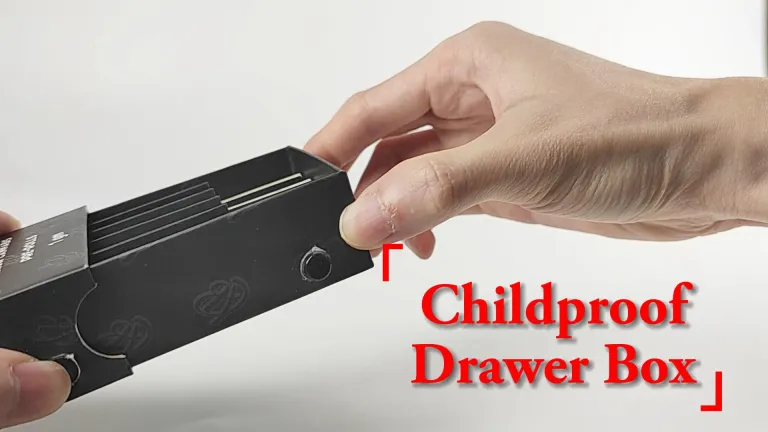

Child-resistant boxes are an essential part of the safety strategy for industries handling pharmaceuticals, cannabis products, household chemicals, and other hazardous items. These boxes are designed to prevent children from accessing dangerous contents while remaining accessible to adults. The durability, functionality, and long-term performance of child-resistant boxes are heavily influenced by the materials used in their production. Selecting the right material is critical to ensure safety, compliance, and operational efficiency.
Businesses looking to source reliable packaging solutions often turn to suppliers offering Child Resistant Boxes. Wholesale providers ensure access to high-quality materials that meet safety standards, regulatory requirements, and durability expectations. Choosing the right material not only strengthens the protective function of the packaging but also reduces production costs, increases operational efficiency, and supports consistent performance across large-scale distribution.
Key Factors in Material Selection
Material selection for child-resistant boxes requires careful consideration of several factors. First, the material must be strong enough to withstand repeated use and prevent accidental openings. Second, it should resist environmental stressors such as moisture, temperature changes, and chemical exposure. Third, the material must be compatible with regulatory and safety standards to ensure compliance. Businesses also need to evaluate cost, manufacturing efficiency, and sustainability to make the best choice for both their products and operational goals.
Durable materials contribute to the long-term reliability of child-resistant boxes, preventing packaging failures that could result in safety hazards or legal issues. Proper material selection also supports the integration of tamper-evident features, locking mechanisms, and ergonomic designs, which enhance usability for adult consumers.
Common Materials Used in Child-Resistant Boxes
Several materials are commonly used in the production of child-resistant boxes. Each has unique properties that make it suitable for specific applications, depending on product type and safety requirements.
High-Density Polyethylene (HDPE)
HDPE is one of the most widely used materials in child-resistant packaging. It is strong, durable, and resistant to impact, making it ideal for pharmaceutical and chemical products. HDPE is also lightweight, cost-effective, and recyclable, which makes it suitable for high-volume production. Its chemical resistance ensures that contents remain safe from contamination or degradation.
Polypropylene (PP)
Polypropylene is known for its flexibility, durability, and resistance to chemicals. It is an excellent choice for packaging that requires molded locking mechanisms, caps, or closures. PP allows for the creation of custom designs while maintaining strength and child-resistant functionality. It is also lightweight and relatively inexpensive, making it a popular choice for bulk production.
Polycarbonate (PC)
Polycarbonate is a high-strength material with superior impact resistance. It is ideal for products that require robust protection against rough handling or extreme environmental conditions. Polycarbonate boxes are more expensive than HDPE or PP but provide exceptional durability and security for sensitive or premium products. This material is commonly used in applications where product integrity and safety are critical.
Biodegradable and Sustainable Materials
Sustainability is becoming an increasingly important factor in material selection. Biodegradable materials, such as polylactic acid (PLA) and other plant-based polymers, offer strength while reducing environmental impact. These materials can break down naturally over time or be recycled, making them ideal for businesses seeking eco-friendly packaging solutions. Sustainable materials allow companies to meet regulatory and consumer expectations for environmentally responsible products.
Material Testing and Compliance
Selecting the right material is only part of ensuring durability and safety. Each material must undergo rigorous testing to verify its performance in real-world scenarios. Key tests include:
-
Impact Resistance: Evaluating the material’s ability to withstand drops, pressure, and rough handling.
-
Child-Resistance Testing: Ensuring the material supports effective locking mechanisms that prevent access by children.
-
Chemical Compatibility: Confirming the material does not react with the product it contains.
-
Environmental Durability: Testing resistance to moisture, heat, cold, and UV exposure.
Materials that pass these tests provide reliable protection, maintain product integrity, and comply with regulatory standards for child-resistant packaging.
Integration with Design and Functionality
The chosen material affects the design possibilities and functionality of child-resistant boxes. Flexible materials like polypropylene allow for complex locking systems, while rigid materials such as polycarbonate provide tamper-evident security and structural strength. High-quality materials support ergonomic designs that make packaging easy for adults to open without compromising child safety. Wholesale suppliers often combine material selection with advanced design features to ensure consistent quality across large production volumes.
Cost, Scalability, and Sustainability Considerations
Material selection also influences cost and scalability. While high-performance materials may be more expensive, they offer superior durability and long-term reliability. Wholesale purchasing helps businesses balance material costs with operational efficiency. Sustainable materials, though sometimes slightly costlier, offer long-term environmental benefits and align with growing consumer demand for eco-friendly packaging.
Conclusion
Material selection is a critical factor in the durability, safety, and effectiveness of child-resistant boxes. High-density plastics like HDPE and polypropylene, impact-resistant polycarbonate, and biodegradable polymers each offer unique advantages for different applications. By evaluating factors such as strength, chemical resistance, environmental durability, cost, and sustainability, businesses can select materials that meet safety and regulatory requirements. Partnering with reputable suppliers for wholesale child-resistant boxes ensures access to high-quality materials, tested designs, and consistent production, resulting in durable packaging that protects both consumers and products.


