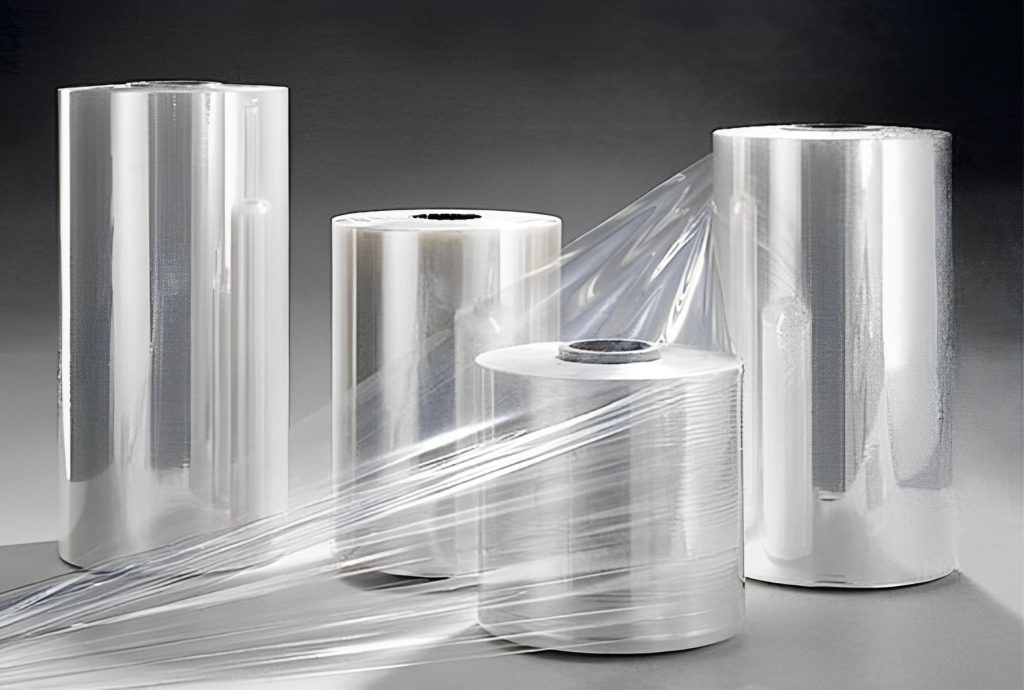

Biaxially Oriented Polypropylene (BOPP) film has become a cornerstone of modern flexible packaging due to its strength, clarity, and versatility. It is widely used across food, beverage, pharmaceutical, and industrial sectors where packaging must balance protection, efficiency, and visual appeal. As global demand for advanced packaging grows, innovation has become a key driver of industry development.
In this evolving landscape, BOPP film manufacturers are continuously investing in new technologies and production methods to enhance film performance. Their innovations are shaping the future of high-performance packaging by improving functionality, sustainability, and processing efficiency.
The Growing Need for Innovation in Packaging Films
Modern packaging requirements have become more complex due to changing consumer expectations, stricter environmental regulations, and rapid expansion of global supply chains. Brands now demand packaging that is not only durable but also lightweight, recyclable, and visually appealing.
BOPP film has adapted to these needs through continuous material and process improvements, making it one of the most widely used flexible packaging materials worldwide.
Key Innovations in BOPP Film Technology
Technological advancements have significantly improved the performance and functionality of BOPP films. These innovations focus on enhancing durability, sustainability, and processing efficiency.
Advanced Co-Extrusion Technology
Modern co-extrusion systems allow manufacturers to combine multiple polymer layers into a single film structure. This improves barrier properties, sealing performance, and mechanical strength without increasing thickness.
Nano-Coating and Surface Engineering
Nano-scale coatings are being used to enhance surface properties such as ink adhesion, moisture resistance, and scratch protection. These coatings improve print quality and extend product shelf life.
High-Barrier Film Development
Innovative barrier technologies help protect sensitive products from oxygen, moisture, and external contaminants. This is particularly important for food and pharmaceutical packaging.
Lightweight Film Engineering
Manufacturers are developing thinner films that maintain or even improve strength and durability. This reduces material consumption and lowers transportation costs.
Role of BOPP Film Manufacturers in Driving Innovation
Continuous improvement in packaging performance depends heavily on the capabilities of producers. BOPP film manufacturers play a critical role in transforming research and development into practical industrial solutions.
Their contributions include:
- Investing in advanced extrusion and orientation equipment
- Developing customized film solutions for different industries
- Improving production efficiency through automation and digital monitoring
- Enhancing recyclability and environmental performance of films
These efforts help bridge the gap between material science and real-world packaging applications.
Smart Manufacturing and Digital Integration
Digital transformation has significantly impacted BOPP film production. Smart manufacturing systems now allow real-time monitoring and control of production parameters, ensuring consistent quality and reducing waste.
Key features of smart production systems include:
- Automated thickness and defect detection systems
- AI-driven process optimization for improved efficiency
- Predictive maintenance of production equipment
- Real-time data analysis for quality control
These technologies enable manufacturers to achieve higher precision and productivity.
Sustainability-Driven Innovation
Sustainability has become a major focus area for innovation in the packaging industry. BOPP film development is increasingly aligned with environmental goals and circular economy principles.
Key sustainability innovations include:
- Development of recyclable mono-material structures
- Reduction of energy consumption in production processes
- Use of eco-friendly raw materials and additives
- Improved film designs that reduce packaging waste
These advancements help industries reduce their environmental footprint while maintaining packaging performance.
Applications Benefiting from New Innovations
Innovations in BOPP film technology have expanded its use across multiple high-performance packaging applications.
Common applications include:
- High-barrier food packaging for extended shelf life
- Premium labeling with enhanced print quality
- Industrial packaging requiring durability and strength
- E-commerce packaging designed for safe transportation
- Pharmaceutical packaging with strict safety requirements
These applications benefit from improved functionality, efficiency, and sustainability.
Future Outlook for BOPP Film Innovation
The future of BOPP film development is expected to focus on even greater efficiency and environmental responsibility. Emerging trends indicate continued progress in material science, digital manufacturing, and sustainable design.
Future developments may include:
- Fully biodegradable or bio-based BOPP alternatives
- Smart packaging with integrated tracking technologies
- Zero-waste manufacturing processes
- Advanced recycling-compatible film structures
These innovations will further strengthen the role of BOPP film in global packaging systems.
Conclusion
Innovation is at the core of the BOPP film industry’s growth, enabling it to meet the evolving demands of high-performance packaging. From advanced coating technologies to smart manufacturing systems, continuous development is enhancing both functionality and sustainability.
As the industry progresses, BOPP film manufacturers will remain essential in driving technological advancement and delivering next-generation packaging solutions. Their commitment to innovation ensures that BOPP film continues to meet the challenges of modern global packaging markets.