
Choosing the right drinkware supplier is an important decision for businesses that sell cups, bottles, tumblers, mugs, and other beverage containers. A reliable supplier can help maintain product quality, control purchasing costs, and ensure consistent inventory availability. Whether you operate a retail store, manage a promotional products business, or run an online shop, selecting the right wholesale partner can directly influence your business operations.
With many manufacturers and distributors offering different products, prices, and services, comparing suppliers requires careful consideration. Exploring options for Drinkware Wholesale can help businesses understand the available product categories and identify suppliers that align with their purchasing requirements. The goal is to find a partner that offers dependable products, transparent pricing, and consistent service.
1. Evaluate Product Quality and Material Options
Product quality should be one of the first factors to consider when choosing a drinkware supplier. Customers expect drinkware that is durable, functional, and suitable for everyday use. Poor-quality products can lead to customer complaints, returns, and damage to your business reputation.
Look for suppliers that offer different materials, including:
- Stainless steel: Commonly used for insulated tumblers, travel mugs, and reusable water bottles.
- Glass: Suitable for drinking glasses, beverage sets, and premium drinkware collections.
- Plastic: A lightweight and affordable option for promotional products and everyday use.
- Ceramic: Frequently used for coffee mugs and customized drinkware.
- BPA-free materials: Important for businesses sourcing reusable plastic bottles and cups.
Ask potential suppliers about material specifications, manufacturing standards, and quality inspection procedures before placing a large order.
2. Check Product Variety and Customization Options
A supplier with a diverse product range gives businesses more flexibility when responding to customer preferences. Instead of working with multiple vendors, you may be able to source different drinkware categories from one reliable wholesale partner.
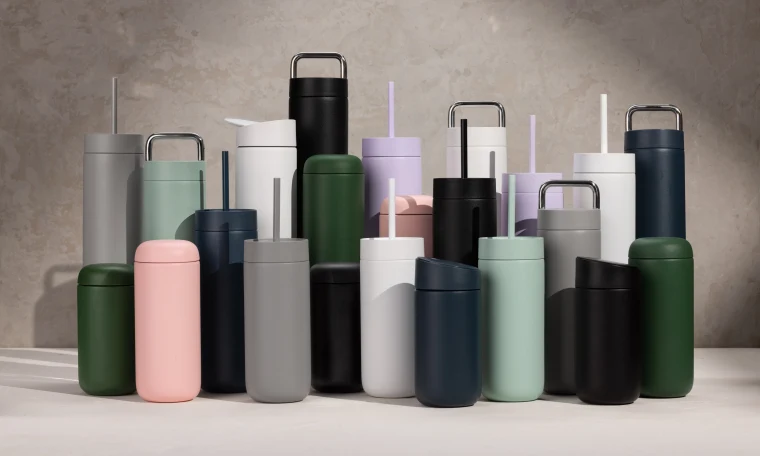
Consider whether the supplier offers water bottles, coffee mugs, insulated tumblers, travel cups, glassware, and other popular drinkware products. A broader selection can help retailers expand their product collections and serve different customer segments.
Customization is another important consideration. Businesses involved in corporate gifting, promotional campaigns, and branded merchandise may require custom logos, colors, packaging, or product designs. Confirm which customization services are available, along with minimum order quantities and production timelines.
3. Compare Wholesale Pricing and Minimum Order Quantities
Pricing plays a major role in wholesale purchasing decisions, but the lowest price does not always represent the best value. A supplier offering inexpensive products may have inconsistent quality, limited customization options, or additional shipping charges.
Request detailed quotations from several suppliers and compare their pricing structures. Pay attention to:
- Unit prices at different order quantities.
- Minimum order quantity (MOQ) requirements.
- Customization and printing charges.
- Packaging and handling fees.
- Shipping costs and applicable taxes.
- Discounts for repeat or bulk purchases.
Understanding the complete cost structure makes it easier to calculate profit margins and establish a sustainable purchasing budget.
4. Assess Supplier Reliability and Business Experience
A dependable supplier should be able to fulfill orders accurately and within the agreed timeframe. Delayed shipments, inconsistent inventory, and poor communication can disrupt your sales operations.
Research the supplier’s business history, customer reviews, and experience in the drinkware industry. If possible, request references or examples of previous wholesale orders.
It is also useful to evaluate how quickly the supplier responds to inquiries. Clear communication during the quotation and ordering process often indicates how efficiently future issues may be handled.
5. Review Product Samples Before Bulk Ordering
Product images and descriptions provide useful information, but they cannot always demonstrate actual quality. Ordering samples allows you to inspect the products before committing to a large purchase.
During sample evaluation, consider:
- Material strength and overall construction.
- Lid fit, sealing performance, and ease of use.
- Insulation performance, where applicable.
- Surface finish, color consistency, and appearance.
- Comfort, weight, and practical functionality.
- Packaging quality and protection during transportation.
Testing samples can help identify potential problems early and reduce the risk of receiving unsuitable products in bulk.
6. Understand Production Capacity and Delivery Timelines
Businesses need suppliers that can meet their inventory requirements consistently. Before selecting a wholesale partner, ask about production capacity, stock availability, and estimated delivery schedules.
This is particularly important for seasonal businesses and companies preparing for promotional events. Large orders, customized products, and international shipments may require additional production and transportation time.
A professional supplier should provide realistic timelines and communicate any potential delays. Discussing order schedules in advance can help prevent stock shortages and improve inventory planning.
7. Check Certifications and Safety Standards
Drinkware products, especially those designed for food and beverage contact, should meet relevant safety and quality requirements. Depending on the product type and destination market, different regulations and certifications may apply.
Ask suppliers whether their products have undergone appropriate testing and whether supporting documentation is available.
For example, businesses purchasing reusable bottles, cups, and containers should pay attention to food-contact material safety. Stainless steel grades, plastic composition, coatings, and manufacturing processes should be clearly identified where relevant.
Do not rely on general claims alone. Request documentation and verify whether the applicable standards meet the requirements of your target market.
8. Evaluate Customer Support and After-Sales Service
Supplier relationships do not end when an order is delivered. Effective after-sales support is essential when products arrive damaged, quantities are incorrect, or quality issues arise.
Before making a purchasing commitment, understand the supplier’s policies regarding returns, replacements, defective products, and order disputes.
A reliable wholesale partner should provide clear procedures for resolving problems and maintaining communication throughout the process. Strong customer support can save time and reduce unnecessary business expenses.
9. Consider Long-Term Partnership Potential
Choosing a drinkware supplier should involve more than evaluating a single order. Businesses benefit from working with suppliers that can support their changing requirements as operations grow.
Consider whether the supplier can accommodate larger orders, introduce new product designs, maintain consistent quality, and offer competitive pricing over time.
Building a long-term relationship may also improve communication, streamline repeat purchases, and create opportunities for better purchasing arrangements.
Common Mistakes to Avoid When Choosing a Drinkware Supplier
Even experienced business owners can make mistakes when comparing wholesale suppliers. Being aware of common issues can help you make more informed decisions.
Some mistakes to avoid include:
- Selecting a supplier based exclusively on the lowest price.
- Ignoring minimum order quantities and additional charges.
- Skipping sample testing before placing bulk orders.
- Overlooking product safety documentation.
- Failing to confirm delivery schedules and shipping responsibilities.
- Choosing suppliers without researching their reputation.
- Neglecting return, replacement, and warranty policies.
Taking time to evaluate these factors can reduce purchasing risks and improve the overall sourcing process.
Conclusion
Choosing the right drinkware wholesale supplier requires careful research, product evaluation, and cost comparison. Businesses should prioritize product quality, material options, competitive pricing, customization capabilities, reliable delivery, and responsive customer support.
Rather than focusing on one factor, evaluate suppliers based on their ability to meet both your immediate purchasing needs and long-term business goals. Request samples, verify relevant certifications, review supplier policies, and compare complete quotations before making a final decision.
A well-informed supplier selection can help businesses maintain consistent inventory, improve customer satisfaction, manage costs, and establish a stronger foundation for sustainable growth.