

The Challenge of Wet Floors in Wudu Areas
Wudu areas in mosques, Islamic centers, and schools often face the problem of water spillage. Wet floors not only create slippery and unsafe conditions but also increase the need for frequent cleaning. Maintaining a dry and hygienic environment is essential for user safety, comfort, and long-term durability of the facility.
Design Features That Prevent Water Spills
Modern wudu sinks are designed to manage water flow efficiently, reducing the likelihood of spills and puddles. Features such as properly angled basins, integrated drainage systems, and anti-splash edges guide water directly into the drainage, minimizing splashes. Additionally, correct sink height and ergonomic design ensure that users can perform ablutions without inadvertently spilling water onto the floor.
Advantages of a Wudu Sink with Foot Wash
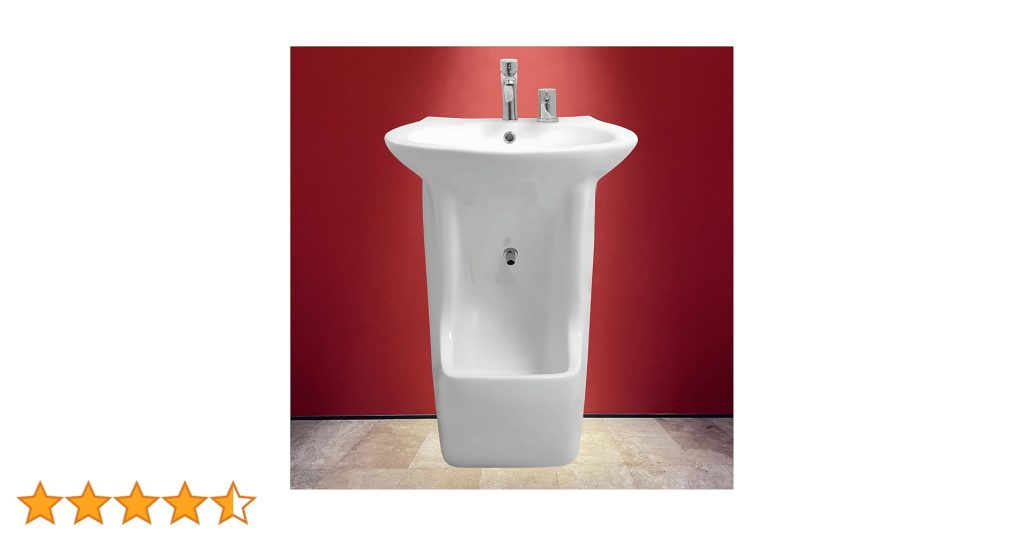
A well-designed Wudu sink with foot wash combines upper basins for hand and face washing with lower basins for foot washing, all in a single ergonomic unit. These sinks channel water efficiently into drains, preventing accumulation on the floor. Non-porous, smooth surfaces are easy to clean and help guide water away from walking areas. The compact, integrated design ensures that even in high-traffic areas, floors remain dry and safe.
Efficient Drainage Systems
Proper drainage is essential for maintaining dry floors in wudu areas. Sinks with strategically positioned drains and sloped surfaces encourage water to flow directly into the drainage system. This design prevents pooling and minimizes the risk of slips. Regular maintenance of drainage components ensures long-term effectiveness and keeps the wudu area safe for users.
Anti-Splash and Ergonomic Features
Anti-splash designs, including raised edges and angled basins, are critical in keeping surrounding areas dry. Ergonomic placement of faucets and basins also reduces water splashes, as users can perform wudu without excessive bending or awkward movements. Sensor-operated taps in modern sinks provide hands-free operation, further minimizing water spillage and promoting hygiene.
Material Considerations
The materials used in wudu sinks contribute to water management and floor dryness. Non-porous surfaces such as solid surface, stone, or treated ceramic prevent water absorption and make cleaning easier. Textured foot basins help control water flow, preventing accidental splashes while providing a safe surface for foot washing. High-quality materials also improve durability and reduce maintenance frequency.
Conclusion
Keeping floors dry in wudu areas is essential for safety, hygiene, and user comfort. A wudu sink with foot wash that incorporates efficient drainage, anti-splash design, and ergonomic features ensures water is properly managed, even in high-traffic areas. By combining durable materials, thoughtful design, and proper installation, mosques, schools, and Islamic centers can provide a safe and hygienic environment where worshippers can perform ablutions comfortably and securely.
