
Ablution can become physically challenging for older adults when a washing area requires frequent bending, standing for long periods, or reaching across a deep basin. A poorly planned setup may also increase the risk of slipping, especially when water collects around the washing space. The right basin design can make daily washing more comfortable and manageable.
Choosing a Wudu basin for Muslim seniors involves more than finding a suitable shape or finish. Families and facility managers need to consider access, installation height, seating options, faucet controls, and floor safety. These details help older adults perform ablution with greater comfort and less physical strain.
Why Wudu Basin Design Matters For Older Adults
Age-related changes can affect balance, flexibility, strength, and mobility. Bending towards a low basin or standing at an unsuitable height may cause discomfort during repeated washing movements.
A senior-friendly ablution area reduces unnecessary movement and provides enough room to use the basin safely. It should also allow a person to maintain a stable position throughout the washing process.
The goal is to support independence wherever possible. A practical design can help older adults manage daily ablution without relying on assistance for every step.
Comfortable Basin Height And Easy Access
Basin height plays a major role in how comfortably seniors can wash their hands, arms, and feet. A unit that sits too low may require excessive bending, while one that sits too high can make reaching difficult.
Choose A Height That Reduces Bending
The installation height should match the needs of the main user. Consider the person’s height, mobility, and usual washing position before fixing the basin.
There is no single height that suits every older adult. A practical approach involves checking the position during a trial setup and making sure the user can reach the bowl without straining their back or shoulders.
Leave Enough Space Around The Basin
Clearance around the basin allows seniors to approach it without twisting or squeezing into a narrow area. The layout should provide room for a walking aid or wheelchair when required.
Avoid placing storage cabinets, bins, or decorative objects where they block access. Keep frequently used items within easy reach so users do not need to stretch or turn unnecessarily.
Wall-Mounted Designs For Better Accessibility
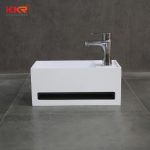
Wall-mounted wudu basins can support a more accessible layout when installers set them at a suitable height. Their open underside provides room for foot placement and may allow a wheelchair user to approach the bowl more closely.
The wall and mounting system must support the basin safely. Installers should check the wall structure, fixing points, and plumbing arrangement before installation.
The design should also avoid sharp edges or bulky supports that restrict movement. A clean underside and accessible drain connections make the surrounding area easier to maintain.
Seating Options For Safer Ablution
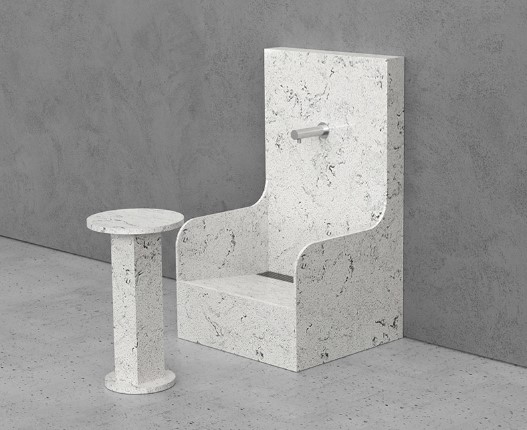
Standing throughout ablution may cause fatigue or discomfort for seniors with limited balance or mobility. A suitable seat can make washing easier by reducing the need to remain on one’s feet.
Fixed Or Fold-Down Shower Seats
A fixed seat provides a stable place to sit during foot washing. A fold-down seat can save space when the washing area also serves other bathroom needs.
Choose a model with a non-slip surface and a suitable weight rating. The seat must have secure wall support and enough surrounding clearance for safe use.
Stable Foot-Washing Support
Some seniors may find it difficult to lift a foot while standing. A stable seated position can reduce this challenge and make washing more controlled.
Avoid using loose stools or lightweight chairs that may move on wet floors. Any seating arrangement should remain stable during transfers and everyday use.
Faucet Features That Make Washing Easier
Faucet controls can create difficulties for older adults with limited grip strength or joint movement. A design that requires repeated twisting or strong pressure may make routine washing uncomfortable.
Lever Handles
Lever handles generally need less gripping movement than traditional round knobs. Users can operate them with a simple push or lift, depending on the faucet design.
Choose handles that move smoothly and do not require excessive force. The faucet position should also allow easy access without reaching across the bowl.
Sensor Faucets
Sensor-operated faucets reduce the need to turn handles manually. They may suit commercial ablution facilities and accessible bathrooms.
However, sensor range and water flow need proper adjustment. A sensor that stops too quickly or activates unpredictably may interrupt washing.
Handheld Shower Options
A handheld shower can help seniors wash their feet without leaning too far over the basin. It also gives users more control over the direction of water.
The hose should have enough length for comfortable use without creating a tripping hazard. A secure holder keeps it within reach when not in use.
Non-Slip Flooring And Effective Drainage
A safe ablution area needs more than an accessible basin. Water around the washing space can create a slipping risk, particularly for older adults with balance difficulties.
Choose bathroom flooring with a suitable slip-resistant finish. The surface should provide grip when wet and remain easy to clean.
Drainage also needs careful planning. A properly sloped floor helps direct water towards the drain rather than allowing puddles to form near the basin or seating area.
Consider these additional safety details:
- Install grab bars near the washing area where users need extra support.
- Keep floor mats secure and avoid loose edges.
- Use suitable lighting to make wet areas and changes in floor level easy to see.
- Keep the walking route clear of cables, storage items, and cleaning equipment.
- Repair dripping faucets and leaking pipes promptly.
These measures work together to reduce common bathroom hazards.
Choose Materials That Are Easy To Clean
Older adults and caregivers benefit from surfaces that do not require difficult cleaning routines. A suitable basin material should handle regular water exposure and allow staff or family members to remove soap residue without excessive scrubbing.
Solid Surface
Solid surface basins often feature smooth, nonporous finishes. Their design flexibility also allows manufacturers to create integrated bowls with fewer visible joints.
Some products allow minor scratches to be repaired according to the manufacturer’s instructions. Check the recommended cleaning products before using abrasive tools or strong chemicals.
Ceramic
Ceramic offers a smooth glazed surface that supports routine bathroom cleaning. It suits many traditional and modern interiors and generally needs simple care.
However, strong impacts can chip or crack ceramic. Families should inspect the basin periodically for visible damage.
Avoid Complicated Basin Shapes
Deep corners, narrow grooves, and decorative recesses can make cleaning harder. A simple bowl with accessible edges and a practical drain arrangement may be easier to maintain in a senior-friendly bathroom.
Consider Different Needs In Homes And Care Facilities
A private bathroom and a shared ablution facility may need different accessibility features. The number of users, available space, and level of assistance all affect the design.
Residential Bathrooms
At home, the basin should match the senior’s physical needs and existing bathroom layout. A wall-mounted model, suitable seating, and easy-to-operate faucet may provide a practical combination.
Family members should involve the older adult in the selection process. Their comfort and ability to use the basin matter more than choosing a design based only on appearance.
Mosques And Islamic Centers
Shared ablution areas need to accommodate people with different mobility levels. A separate accessible washing station can provide more space for wheelchair users and people who need assistance.
Facilities should also consider clear walkways, grab bars, stable seating, and easy-to-reach faucets. Staff need enough room to help users without blocking other washing stations.
Assisted Living And Care Facilities
Care facilities often need designs that support both independent use and caregiver assistance. The basin area should provide enough clearance for a second person when support becomes necessary.
Durable surfaces and accessible plumbing also help maintenance teams keep the space in good condition. A practical layout reduces unnecessary effort for both residents and caregivers.
Common Design Mistakes To Avoid
A basin may look modern yet create problems for seniors during daily use. Avoid these mistakes when planning an accessible ablution area.
- Installing the basin too high or too low: An unsuitable height may cause back, shoulder, or wrist strain.
- Ignoring seating needs: Some older adults may not be able to stand comfortably throughout ablution.
- Using difficult faucet controls: Tight knobs and stiff handles can create problems for users with limited hand movement.
- Leaving insufficient clearance: A narrow layout may prevent wheelchair access or make assistance difficult.
- Overlooking floor safety: Smooth wet flooring and poor drainage increase the risk of slips.
- Choosing hard-to-clean designs: Complex shapes may require more effort to maintain.
Reviewing these details before installation helps create a safer and more comfortable washing area.
How To Plan A Senior-Friendly Wudu Area
Before purchasing a basin, assess the user’s mobility and the available bathroom space. Measure the installation area and check the location of water supply lines and drainage connections.
Next, consider how the person will approach the basin and complete each washing step. A trial layout can help identify awkward reaches, uncomfortable heights, or obstacles that may not be obvious from product measurements.
When comparing designs from suppliers such as kingkonree, review the dimensions, material details, mounting requirements, and cleaning instructions. Confirm that the selected model supports the accessibility features planned for the space.
Final Thoughts
A senior-friendly wudu basin should make ablution easier without compromising safety or comfort. Suitable installation height, accessible faucets, stable seating, non-slip flooring, and effective drainage all contribute to a better washing experience.
Every older adult has different mobility needs, so the design should reflect the person who will use it. Careful planning helps families and facility managers create an ablution area that supports comfort, confidence, and greater independence.