
Introduction
Custom furniture and fixtures play an important role in creating functional and visually coordinated interiors. Hotels, offices, restaurants, retail stores, and residential properties often require furniture that fits specific dimensions, supports particular activities, and complements the surrounding architectural design. Choosing the right material is essential because it affects appearance, fabrication possibilities, maintenance, and long-term usability.
Solid surface materials have become an option for customized interior projects because they can be fabricated into different shapes, colors, and configurations. Products such as KingKonree Solid Surface can be considered for reception desks, vanity units, display counters, tables, shelving features, and other interior fixtures. Understanding the advantages of this material category helps designers, furniture manufacturers, and property owners determine where it may be appropriate.
1. Greater Design Flexibility for Custom Furniture
One of the main advantages of solid surface materials is their adaptability to different furniture designs. Unlike materials that are primarily supplied in rigid standard shapes, certain solid surface formulations can be cut, shaped, and fabricated to meet specific design requirements.
Customized Shapes
Furniture designers can create curved reception desks, rounded vanity tops, decorative counters, and other distinctive components. Depending on the product formulation and fabrication method, some materials can also be thermoformed into selected curved shapes.
Unique Dimensions
Custom furniture often needs to fit unusual room layouts or specific architectural measurements. Solid surface sheets can be fabricated into project-specific dimensions, helping designers create components that use available space effectively.
Creative Design Details
The material can be used for rounded edges, integrated sections, decorative profiles, and coordinated surface elements. These options give designers greater freedom when developing furniture concepts.
2. Seamless-Looking Furniture and Fixtures
A continuous visual appearance is a common goal in contemporary interior design. Visible joints and disconnected components can interrupt a furniture design, particularly when the piece is intended to be a focal point.
Solid surface materials can support designs with carefully finished joints and integrated components.
Continuous Countertop Designs
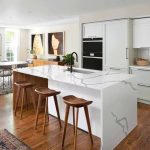
Reception desks, vanity units, and custom tables can be designed with connected surface sections to create a more unified appearance.
Integrated Washbasins
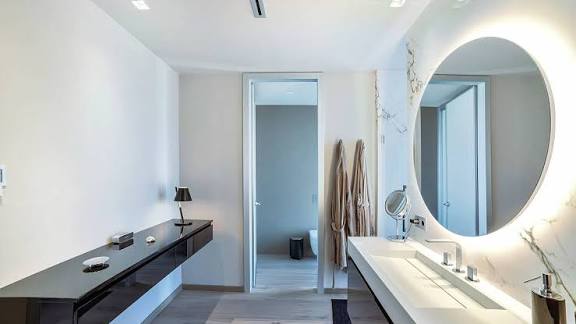
Some products can be fabricated into countertop and basin combinations. This approach is useful for bathroom furniture where a coordinated design and simplified surface layout are important.
Refined Edge Details
Fabricators can create different edge profiles to complement the overall furniture style. Proper finishing helps maintain a consistent appearance around corners and exposed sections.
Although seamless-looking designs can reduce visible joint lines, the quality of the finished result depends on fabrication methods, adhesive compatibility, and installation workmanship.
3. A Wide Range of Colors and Finishes
Furniture materials influence the overall character of an interior. A suitable color and finish can help a custom fixture complement walls, flooring, lighting, and other design elements.
Neutral Color Options
White, cream, gray, and other neutral shades are commonly used in contemporary interiors. They can create a balanced appearance and coordinate with different furniture styles.
Decorative Patterns
Some solid surface collections feature patterns inspired by natural stone or other decorative materials. These options can add visual interest without requiring the use of natural stone for every furniture component.
Matte and Glossy Finishes
Different finishes can create different visual effects. Matte surfaces often support understated designs, while glossy finishes can create a brighter and more reflective appearance.
Coordinated Furniture Collections
Designers can select complementary colors and finishes for multiple fixtures within the same property. This is particularly useful in hotels, retail environments, and commercial interiors where visual consistency matters.
4. Suitable for Reception Desks and Commercial Counters
Reception desks are among the most noticeable furniture elements in offices, hotels, clinics, and other commercial spaces. They must accommodate daily administrative activities while supporting the overall design of the building.
Solid surface materials can be considered for these applications because they offer several customization possibilities.
Customized Reception Layouts
Desks can be designed with curved fronts, extended worktops, integrated storage sections, and equipment openings.
Professional Appearance
The selection of colors, patterns, and finishes can help create a reception area that reflects the character of a business or organization.
Practical Maintenance
Many solid surface products have smooth finishes that support routine cleaning. This can be useful for counters that receive frequent contact from visitors and employees.
Equipment Integration
Fabrication plans can include openings and spaces for computers, cables, payment terminals, and communication equipment.
For commercial installations, buyers should verify that the selected material is suitable for the expected workload and cleaning procedures.
5. Design Possibilities for Bathroom Furniture
Bathrooms often require furniture that combines moisture management, convenient storage, and attractive surface finishes. Solid surface materials can be used for selected vanity tops, integrated basins, and decorative bathroom fixtures.
Vanity Units
Customized vanity tops can be designed to fit different bathroom layouts, from compact residential spaces to large hotel bathrooms.
Integrated Basin Features
Some products support integrated basin fabrication, creating a coordinated appearance between the washing area and surrounding countertop.
Floating Vanity Designs
Solid surface components can be incorporated into floating vanity concepts when the supporting structure and installation system are properly designed.
Matching Bathroom Accessories
Selected shelves, ledges, and decorative components can use complementary surface materials to create a coordinated interior.
Moisture resistance depends on the product formulation and installation details. Properly finished joints and suitable supporting structures remain important.
6. Applications in Retail Display Fixtures
Retail environments use display furniture to present products, organize merchandise, and guide customer movement. The appearance of these fixtures can influence how shoppers experience a store.
Product Display Counters
Solid surface materials can be fabricated into display counters with customized dimensions and shapes. They may be suitable for selected jewelry, cosmetics, electronics, and specialty retail environments.
Branded Display Features
Different colors, profiles, and integrated design elements can help create fixtures that reflect a store’s visual identity.
Point-of-Sale Counters
Checkout counters need practical work surfaces and space for payment equipment. Customized fabrication can accommodate the required openings and layouts.
Decorative Shelving Elements
Selected shelves and display features can use solid surface components to complement other materials such as wood, glass, and metal.
The required load capacity and support structure should be considered when designing retail fixtures that carry heavy merchandise or equipment.
7. Compatibility with Different Interior Design Styles
Custom furniture should fit naturally into the wider interior concept. Solid surface materials offer a range of visual options that can complement different design approaches.
Minimalist Interiors
Simple colors, smooth finishes, and clean geometric forms can support minimalist furniture concepts.
Contemporary Commercial Spaces
Curved counters, integrated surfaces, and customized profiles can help create a modern appearance in offices, hotels, and retail environments.
Luxury-Inspired Interiors
Decorative patterns and polished finishes may be used to create visually distinctive furniture pieces. Designers can combine these surfaces with metal details, glass, or wood.
Residential Interiors
Customized countertops, bathroom furniture, and selected storage features can be coordinated with existing cabinetry and architectural details.
The final result depends on how the material is combined with other finishes, lighting, and furniture elements.
8. Easy Maintenance for Frequently Used Fixtures
Furniture in commercial environments may be cleaned frequently because of regular contact with visitors, employees, and customers. Maintenance requirements should therefore be considered during material selection.
Routine Surface Cleaning
Many solid surface products can be cleaned using a soft cloth and a suitable mild detergent. The manufacturer’s care instructions should always be followed.
Managing Everyday Marks
Dust, fingerprints, and minor residue can generally be removed through appropriate routine cleaning. The visibility of marks depends on the surface color and finish.
Repairing Minor Scratches
Some solid surface formulations allow minor scratches and surface marks to be repaired through suitable sanding or refinishing methods.
Protecting the Finish
Users should avoid direct contact with hot objects, sharp tools, and unapproved chemicals. Protective measures can help reduce unnecessary surface damage.
9. Repairability and Long-Term Furniture Use
Custom furniture is often designed to remain in place for many years. A material’s repair options can therefore influence its overall value.
Certain solid surface products allow minor surface damage to be refinished rather than requiring immediate replacement of the entire component.
Addressing Surface Scratches
Light scratches may be repairable using methods recommended for the particular material and finish.
Refinishing Worn Areas
Some surfaces can be refinished to improve their appearance after regular use. The available process depends on the product’s composition and the extent of wear.
Replacing Damaged Sections
More serious damage may require professional repair or replacement of an affected component. Proper fabrication records and product identification can make future maintenance easier.
Repairability should not be confused with unlimited resistance to damage. Appropriate use and regular care remain necessary.
10. Opportunities for Material Combinations
Custom furniture frequently combines multiple materials to achieve a particular design effect. Solid surface components can work alongside wood, metal, glass, and other decorative materials when the connections are properly planned.
Solid Surface and Wood
Wood can add warmth and texture, while solid surface components can provide smooth countertops or decorative panels.
Solid Surface and Metal
Metal supports, frames, and trim can create contrast and contribute to a contemporary furniture appearance.
Solid Surface and Glass
Glass can be used for selected display sections, partitions, and decorative details. The combination can create a lighter visual effect.
Solid Surface and Lighting
Integrated lighting can highlight furniture profiles and decorative elements. Electrical components should be installed according to appropriate safety and access requirements.
When combining materials, designers should account for differences in expansion, movement, weight, and installation methods.
11. Design Consistency Across Large Commercial Projects
Hotels, office developments, healthcare facilities, and retail chains often require repeated furniture designs across multiple locations.
Solid surface materials can support standardized furniture specifications when the selected products are consistently available.
Repeated Reception Designs
A company may use a similar reception desk style across several branches to maintain a recognizable interior identity.
Coordinated Bathroom Fixtures
Hotels and apartment developments can specify matching vanity tops and basin designs for multiple rooms.
Standardized Retail Counters
Retail brands may use consistent display and checkout counters across different stores.
Batch Planning
For large orders, buyers should confirm color consistency, production schedules, and product availability. Approving samples before bulk manufacturing helps reduce the risk of unwanted differences.
12. Installation and Fabrication Considerations
The performance and appearance of custom furniture depend heavily on fabrication and installation quality. A suitable material can still produce unsatisfactory results if measurements, joints, or support structures are poorly planned.
Accurate Measurements
Designers and fabricators should confirm room dimensions and site conditions before production begins.
Suitable Support Structures
Countertops, desks, and shelves need appropriate support according to their dimensions and expected loads. Solid surface materials should not be treated as substitutes for structural framing unless specifically designed and approved for that purpose.
Professional Joining Techniques
Where multiple sections are connected, fabricators should use compatible adhesives and follow the recommended joining procedures.
Edge and Surface Finishing
Careful sanding, polishing, and edge treatment help create a finished component that matches the design specification.
On-Site Coordination
Installation should be scheduled around cabinetry, plumbing, electrical connections, and other construction activities to minimize damage and delays.
13. Evaluating the Cost of Custom Solid Surface Furniture
The total cost of a custom furniture project depends on more than the price of the raw material.
Several factors can influence the final quotation:
- Material formulation and product range.
- Sheet thickness and dimensions.
- Color, pattern, and surface finish.
- Complexity of the furniture design.
- Cutting, shaping, and joining requirements.
- Labor and fabrication equipment.
- Supporting structures and hardware.
- Packaging, transportation, and installation.
- Future maintenance and repair requirements.
Standard shapes and finishes may be more economical than highly customized designs. However, buyers should evaluate the complete project cost rather than choosing solely according to the lowest material price.
14. How to Choose the Right Solid Surface for Furniture Projects
Selecting the right product begins with understanding how the furniture will be used.
A reception desk may require a distinctive appearance and resistance to everyday contact, while a bathroom vanity needs suitable moisture performance and cleaning compatibility.
Before purchasing, consider the following points:
- Intended function: Identify the furniture’s purpose and expected daily use.
- Design requirements: Confirm the preferred color, pattern, finish, and shape.
- Technical specifications: Review relevant information about heat, impact, moisture, and chemical resistance.
- Fabrication capabilities: Check whether the material supports the required curves, edges, and integrated components.
- Structural support: Confirm the supporting framework and load requirements.
- Maintenance: Understand the recommended cleaning and repair procedures.
- Supplier documentation: Request samples, technical data sheets, and applicable test reports.
- Warranty conditions: Review coverage and limitations before placing an order.
Discussing these details with the supplier and fabricator helps ensure that the selected material is appropriate for the project.
15. Sustainability and Resource Efficiency Considerations
Material selection can also influence the environmental considerations of a furniture project. Buyers may evaluate manufacturing practices, material composition, waste generation, maintenance, and replacement requirements.
Efficient Material Planning
Accurate measurements and optimized cutting layouts can reduce unnecessary offcuts during fabrication.
Repair Instead of Replacement
Where the material permits refinishing, repairing minor surface damage may extend the useful life of a furniture component.
Reviewing Product Information
Buyers can request verified information about recycled content, environmental declarations, and manufacturing practices where available.
Long-Term Use
Selecting materials that meet the actual requirements of the application can help reduce premature replacement and associated resource consumption.
Environmental benefits should be evaluated using product-specific evidence rather than broad assumptions about the material category.
Conclusion
Solid surface materials offer several advantages for custom furniture and fixtures, including design flexibility, integrated component possibilities, varied finishes, and repair options for certain types of surface damage. These characteristics make them worth considering for reception desks, bathroom vanities, retail counters, display fixtures, and selected residential furniture applications.
When evaluating KingKonree Solid Surface products, designers, contractors, and furniture manufacturers should review technical specifications, available finishes, fabrication requirements, and maintenance recommendations. Matching the material to the intended application and working with experienced fabricators can help produce furniture that combines attractive design with practical everyday functionality.