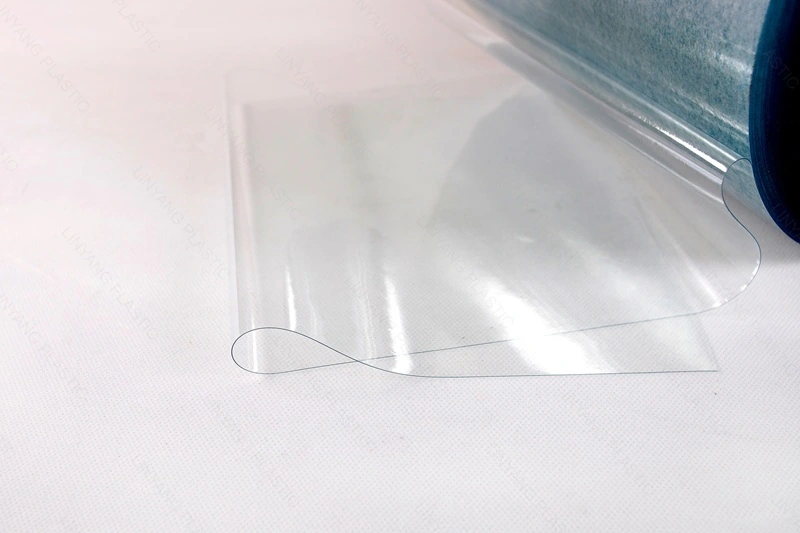

Transparent PVC film is an important material in packaging, construction, printing, automotive components, and various industrial applications. Its clarity, flexibility, and adaptable physical properties make it suitable for products that require visibility as well as protection. However, the quality of the finished film depends on more than the raw material. Production methods, formulation choices, equipment, and quality standards all influence its performance.
For businesses purchasing transparent PVC film, understanding how it is manufactured can make supplier evaluation easier. Working with experienced PVC Transparent Film Manufacturers can help buyers identify suitable material specifications, understand production capabilities, and select products that meet their application requirements.
Understanding the Raw Materials Used in PVC Film Production
The production process begins with polyvinyl chloride resin, the primary material used to manufacture PVC film. Manufacturers combine this resin with selected additives to achieve the characteristics required for the finished product.
The formulation can vary depending on whether the film needs to be soft, semi-rigid, or relatively rigid. Common formulation components include:
- PVC resin: Provides the basic polymer structure of the film.
- Plasticizers: Used in flexible PVC formulations to adjust softness and flexibility.
- Stabilizers: Help improve resistance to heat-related degradation during processing and use.
- Lubricants and processing aids: Support manufacturing by improving material flow and processing behavior.
- Other functional additives: May be included to achieve specific properties, such as improved weathering performance or a particular appearance.
Not every formulation contains the same ingredients. The choice and quantity of additives depend on the intended application, processing method, and required performance.
The Main Production Processes for Transparent PVC Film
Manufacturers use different processing techniques depending on the film’s thickness, formulation, production volume, and intended use. Two common methods are calendering and extrusion.
1. Raw Material Preparation and Mixing
Before film production begins, the raw materials are measured and prepared according to a specified formulation. The PVC resin and selected additives are blended to create a consistent compound.
Accurate weighing and controlled mixing are important because variations in the formulation can affect transparency, flexibility, color, and processing behavior.
Manufacturers may use specialized mixing equipment to distribute additives evenly throughout the compound. Proper preparation also helps reduce inconsistencies during subsequent production stages.
2. Calendering Process
Calendering is a widely used method for producing PVC film and sheets. In this process, the prepared PVC compound passes through a series of heated rollers that apply pressure and gradually form the material into a continuous sheet.
The roller gaps and operating conditions help determine the final thickness and surface characteristics.
Important considerations during calendering include:
- Roller temperature and pressure
- Material feeding consistency
- Production speed
- Film thickness control
- Surface finish and clarity
This process can produce film with controlled dimensions and a consistent surface when the equipment and operating conditions are properly managed.
3. Extrusion Process
Extrusion is another method used to manufacture PVC film. The prepared compound is fed into an extruder, where heat and mechanical action soften and move the material through a die.
The die shapes the material into a continuous film or sheet. Depending on the equipment and production setup, additional rollers or cooling systems help establish the required dimensions and stabilize the finished material.
Extrusion conditions must be carefully controlled to maintain consistent thickness, surface quality, and material properties.
4. Cooling and Stabilization
After forming, the film needs to cool under controlled conditions. Cooling helps the material retain its shape and dimensions.
Uneven cooling can contribute to distortion, dimensional variation, or surface irregularities. Manufacturers therefore monitor cooling conditions and handling procedures to maintain product consistency.
5. Surface Treatment and Finishing
Some transparent PVC films require additional finishing based on their intended application. This may include surface treatment, trimming, or other processing steps.
For example, a film intended for printing may require suitable surface characteristics to support ink adhesion. A film used in packaging may need a particular appearance or dimensional specification.
Finishing requirements should be established before production so the manufacturer can select the appropriate process.
6. Slitting, Winding, and Packaging
Once the film has reached the required specifications, it is cut into suitable widths and wound into rolls. Manufacturers inspect the rolls for visible defects and verify dimensions before packaging.
Proper winding helps reduce wrinkles, creases, and handling problems. Suitable packaging also protects the film during storage and transportation.
Important Quality Standards in PVC Transparent Film Manufacturing
Quality standards help manufacturers maintain consistent production and give buyers a clearer way to evaluate material performance. The applicable standards depend on the film’s intended use, market, and regulatory requirements.
A buyer should not assume that every transparent PVC film meets the same standard. Instead, the supplier should identify the specifications and test methods relevant to the product being purchased.
Thickness and Dimensional Tolerance
Film thickness is one of the most important product specifications. Variations can affect flexibility, strength, processing behavior, and the suitability of the film for its intended application.
Manufacturers may use measuring instruments at different points during production to check whether the material remains within the agreed tolerance.
Width, roll length, and other dimensional requirements should also be confirmed before ordering.
Transparency and Appearance
Transparent PVC film is often selected because users need to see objects through the material. Clarity and visual consistency are therefore important quality considerations.
Inspection may focus on:
- Haze and light transmission
- Visible particles or contamination
- Surface scratches and marks
- Bubbles or other production defects
- Color consistency across the roll
The required level of clarity depends on the application. A display product may have different visual requirements from a general protective cover.
Mechanical Properties
Mechanical testing helps determine how the film behaves under stress. Depending on the product specification, manufacturers may evaluate tensile strength, elongation at break, tear resistance, or other relevant properties.
These tests provide useful information about how the material may perform during converting, installation, and normal use.
However, test results should be interpreted in relation to the film’s thickness and formulation. Results from different grades are not necessarily directly comparable.
Thermal and Environmental Performance
Some applications expose PVC film to changing temperatures, sunlight, or other environmental conditions. Manufacturers may conduct application-specific tests to evaluate the material’s performance under these conditions.
For outdoor use, buyers should ask whether the film contains suitable UV stabilizers and whether supporting weathering test data is available.
For applications involving elevated temperatures, the material’s specified operating range should be checked carefully.
The Role of Quality Control Throughout Production
Quality control should not be limited to inspecting the finished rolls. Effective manufacturing processes include checks at different production stages.
Incoming material inspection: Raw materials are checked against purchasing specifications and relevant documentation before use.
Formulation and mixing control: Material quantities and mixing conditions are monitored to help maintain batch consistency.
In-process inspection: Production staff check thickness, appearance, and other important properties while the film is being formed.
Finished-product testing: Samples may be tested against the agreed physical and visual specifications.
Packaging inspection: Rolls are checked for winding quality, labeling accuracy, and protection before dispatch.
A structured inspection process helps manufacturers identify problems early and reduce the possibility of nonconforming products reaching customers.
Certifications and Compliance Considerations
Certifications and regulatory compliance are important when transparent PVC film is used in specialized or regulated applications. Buyers should distinguish between a manufacturer’s general management-system certification and evidence that a particular film grade meets a specific product requirement.
For example, ISO 9001 relates to quality management systems. It does not automatically certify that every product manufactured by a company meets a particular performance or safety standard.
Food-contact applications may require compliance with relevant regulations in the destination market. Medical applications can involve additional material, biocompatibility, and product-specific requirements.
Businesses should request documentation that relates directly to the film grade and intended use. Depending on the application, useful documents may include:
- Technical data sheets
- Safety data sheets
- Product test reports
- Material declarations
- Applicable conformity or compliance documentation
- Quality management certificates
Checking these documents before purchase helps prevent misunderstandings about what a product is approved or suitable for.
How Production Technology Influences Film Quality
Manufacturing equipment and process control have a direct influence on the consistency of transparent PVC film. Modern production systems can help manufacturers monitor important variables such as temperature, pressure, speed, and thickness.
However, equipment alone does not guarantee quality. Proper formulation, experienced operators, maintenance, inspection procedures, and clear production specifications are also necessary.
A reliable production system should be capable of maintaining repeatable results across batches. This is particularly important for industrial customers who use the film in automated packaging or converting operations.
What Buyers Should Ask Before Choosing a Manufacturer
Understanding production processes and standards can help buyers ask more useful questions when evaluating suppliers.
Consider discussing the following points before placing an order:
- Manufacturing method: Ask whether the film is produced through calendering, extrusion, or another process.
- Available specifications: Confirm thickness, width, roll length, flexibility, and surface options.
- Quality inspection: Find out which properties are checked during production and before shipment.
- Testing documentation: Request relevant test reports and technical data sheets.
- Application suitability: Explain how the film will be used so the supplier can assess the appropriate grade.
- Batch consistency: Ask how production records and material specifications are maintained.
- Samples: Test a sample using your own equipment and operating conditions before committing to a large order.
These questions can help businesses compare suppliers based on technical capability rather than price alone.
Conclusion
The production of transparent PVC film involves several carefully managed stages, from raw material preparation and formulation to calendering or extrusion, cooling, finishing, and final inspection. Each stage contributes to the film’s appearance, dimensions, flexibility, and overall suitability for industrial use.
Understanding the manufacturing process and relevant quality standards allows buyers to make better sourcing decisions. By checking product specifications, testing documentation, production controls, and application requirements, businesses can select transparent PVC film that meets their operational needs and supports consistent manufacturing results.