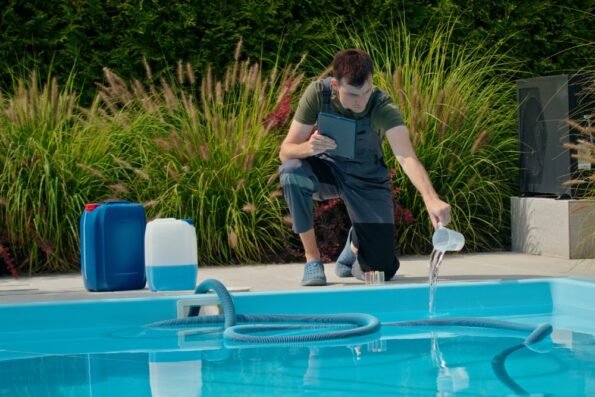

A well-designed swimming pool circulation system is essential for maintaining clear water, supporting effective sanitation, and keeping pool equipment operating efficiently. Pumps, filters, pipes, and return fittings work together to move water through the system, remove suspended debris, and distribute treated water throughout the pool.
Understanding how these components function helps pool owners make informed decisions about installation, maintenance, and equipment upgrades. Exploring different swimming pool equipment and supplies can help you identify products suited to your pool’s size, design, and operating requirements. With compatible components and proper maintenance, a circulation system can support consistent water quality while helping control energy and operating costs.
Understanding Swimming Pool Circulation Systems
A pool circulation system moves water from the swimming area through the filtration equipment and returns it to the pool. Depending on the installation, water may also pass through a heater, sanitizer, or other treatment equipment before returning.
The system typically includes skimmers or suction outlets, plumbing lines, a pump, a filter, return fittings, and control valves. Each component contributes to water movement and overall system performance.
Effective circulation helps distribute sanitizers and reduces areas where debris can accumulate. However, circulation alone does not disinfect the water or remove every contaminant. Proper filtration, chemical balance, and sanitation remain equally important.
1. Swimming Pool Pumps and Their Functions
The pool pump provides the energy needed to move water through the circulation system. It draws water from the pool and pushes it through the filter and other connected equipment before returning it to the swimming area.
Selecting an appropriate pump is important because its performance affects water flow, filtration, energy consumption, and equipment longevity.
Types of Pool Pumps
Pool pumps are available in several configurations, each offering different levels of control and efficiency.
Single-speed pumps operate at one fixed speed. They are relatively straightforward but offer limited flexibility when the system requires different flow rates.
Two-speed pumps provide high and low operating settings. This allows owners to use a lower speed for routine circulation and a higher speed when additional flow is required, provided the system supports those settings.
Variable-speed pumps allow more precise adjustment of motor speed. They can reduce electricity consumption when operated at lower speeds for suitable tasks, making them a useful option for many residential pools.
How to Choose the Right Pump
Pool volume is an important starting point, but it is not the only factor that determines pump size. Plumbing diameter, pipe length, filter resistance, elevation changes, and the requirements of connected equipment also influence the flow needed.
Review the manufacturer’s pump performance curve to understand how much water a model can move at the system’s expected resistance. Avoid selecting a pump based on horsepower alone, because two pumps with similar horsepower ratings may deliver different flow rates.
A properly sized pump should provide the circulation required by the pool without creating unnecessary pressure or consuming more energy than necessary.
2. Swimming Pool Filters and How They Work
Pool filters capture suspended particles as water passes through a filtering medium. They help remove dirt, dust, and other debris that can make water appear cloudy.
Different filter designs offer different levels of filtration, maintenance requirements, and operating costs. The most common options are sand, cartridge, and diatomaceous earth filters.
Sand Filters
Sand filters pass water through a bed of specially graded filter media. Particles become trapped as water moves through the media, while filtered water continues through the system.
When debris accumulates, filters designed for backwashing can reverse the water flow to remove collected material. This process requires water and should be performed according to the manufacturer’s instructions.
Sand filters are often suitable for pool owners who prefer a familiar filtration method with relatively straightforward maintenance.
Cartridge Filters
Cartridge filters use pleated elements to capture suspended particles. When cleaning is necessary, the cartridge is removed and rinsed according to the manufacturer’s guidance.
Because cartridge filters generally do not require routine backwashing, they can help conserve water. Their maintenance requirements include periodic rinsing, inspection for damage, and eventual cartridge replacement.
They may be particularly useful where water conservation is a priority or backwashing facilities are inconvenient.
Diatomaceous Earth Filters
Diatomaceous earth (DE) filters use a fine filtering medium supported by internal filter elements. They can capture very small particles and provide excellent water clarity.
However, they typically require more detailed maintenance than some other filter types. Owners must follow instructions for cleaning, replenishing the filtering medium, and handling DE safely.
When comparing filters, consider filtration performance alongside maintenance time, replacement costs, water usage, and compatibility with the pump.
3. Understanding Pool Plumbing and Water Flow
Pool plumbing connects the swimming pool to the pump, filter, and other equipment. The arrangement of pipes, valves, and fittings affects how efficiently water moves through the system.
Suction Lines and Skimmers
Suction lines carry water from the pool to the pump. In many residential pools, skimmers collect floating debris while drawing surface water into the circulation system.
Some installations also use designated suction outlets or other approved water collection points. These components must comply with applicable safety requirements, particularly those concerning entrapment prevention.
Keep skimmer baskets clear and inspect accessible plumbing components for leaks or blockages. Never modify suction fittings or safety covers without verifying that the changes meet the relevant standards.
Return Lines and Fittings
After passing through the filtration and treatment equipment, water returns to the pool through return fittings. Their placement and direction influence circulation patterns.
Properly positioned return fittings help move water through different areas of the pool and reduce stagnant zones. However, circulation effectiveness also depends on pool shape, equipment settings, and the location of suction points.
If certain areas repeatedly collect debris, adjusting return fittings or reviewing the circulation layout may help. Persistent problems may require an assessment by a pool professional.
Valves and Flow Control
Valves regulate water movement through different sections of the plumbing system. They may direct water through a filter, heater, bypass line, or other connected component.
Correct valve positioning is important for normal operation and maintenance. Before changing settings, understand the valve’s function and follow the equipment manufacturer’s instructions.
Never operate valves in a way that traps pressure or blocks the required water flow through equipment that must remain supplied with water.
4. How Pumps and Filters Work Together
A pump and filter must be selected as compatible components rather than treated as separate purchases. The pump determines the flow available to the system, while the filter must safely accommodate that flow and provide suitable filtration.
If the pump pushes water through the filter faster than the filter is designed to handle, filtration performance may suffer and operating pressure can become excessive. An undersized pump may also fail to meet the circulation requirements of the installation.
Before purchasing equipment, check:
- The filter’s rated flow capacity.
- The pump’s expected flow at the system’s operating resistance.
- The plumbing dimensions and configuration.
- The flow requirements of heaters, sanitizers, and cleaning equipment.
- The manufacturer’s operating pressure and installation specifications.
When replacing one component, verify compatibility with the equipment already installed. A larger pump does not automatically improve water quality, and a larger filter does not eliminate the need for proper system sizing.
5. Pool Turnover Rate and Circulation Requirements
Pool turnover refers to the estimated time required for a volume of water equal to the pool’s capacity to pass through the circulation system at a given flow rate.
For example, if a pool contains 12,000 gallons of water and the system circulates 40 gallons per minute, the theoretical turnover time is:
12,000 ÷ (40 × 60) = 5 hours.
This calculation provides a useful estimate, but it does not mean every gallon passes through the filter exactly once or that all contaminants are removed within that period.
Actual circulation performance depends on hydraulic conditions, filtration efficiency, and the pool’s design. The appropriate turnover target also varies by pool type, local regulations, and operating requirements.
Use the manufacturer’s recommendations and applicable local guidance when establishing pump flow rates and operating schedules.
6. Improving Circulation System Energy Efficiency
Pumps can account for a significant share of a swimming pool’s energy use. Several measures can help reduce operating costs while maintaining the circulation needed for safe, clean water.
Use Appropriate Pump Speeds
Variable-speed pumps can operate at lower speeds when high flow rates are unnecessary. Because pump energy demand generally decreases substantially as speed decreases, adjusting the operating speed can reduce electricity consumption in suitable systems.
The pump must still meet the minimum flow requirements of connected equipment and provide adequate circulation. Heating, sanitation, and cleaning systems may have specific operating requirements that influence the schedule.
Maintain the Filter
A dirty filter can increase resistance and interfere with circulation. Monitor pressure readings and clean the filter when indicated by the manufacturer’s instructions.
Cleaning should be based on the equipment’s normal operating conditions rather than an arbitrary schedule. Excessive backwashing wastes water, while neglected filters can impair performance.
Reduce Unnecessary Flow Restrictions
Blocked baskets, obstructed pipes, unsuitable fittings, and poorly designed plumbing can increase resistance. Keeping the system clean and ensuring components are correctly sized helps it operate as intended.
If flow remains poor despite routine maintenance, have the system checked for leaks, blockages, valve problems, or pump issues instead of automatically installing a more powerful pump.
7. Routine Maintenance for Pumps, Filters, and Plumbing
Regular inspection helps identify problems early and keeps the circulation system operating reliably.
Pump Maintenance
Check the pump basket regularly and remove collected debris. Watch for leaks, unusual noises, overheating, loss of prime, or reduced water flow.
Always switch off and isolate the equipment according to the manufacturer’s instructions before opening the pump housing. Electrical repairs and work involving pressurized components should be performed by qualified professionals when necessary.
Filter Maintenance
Inspect filter pressure and clean or service the filter when required. Cartridge elements should be checked for tears or damage, while sand and DE filters should be maintained according to their specific procedures.
After servicing, confirm that the system has been reassembled correctly and that it operates within the manufacturer’s specified pressure range.
Plumbing Inspections
Look for visible leaks, damaged fittings, loose connections, and signs of corrosion or deterioration. Changes in circulation can indicate a plumbing problem even when the pump appears to be running normally.
Avoid opening pressurized filters or dismantling plumbing while the pump is operating. Follow the required shutdown and depressurization procedures before carrying out maintenance.
8. Common Circulation Problems and Their Causes
Understanding common symptoms can help pool owners decide when routine maintenance is sufficient and when professional assistance is needed.
Weak water flow: Possible causes include clogged baskets, a dirty filter, blocked plumbing, air entering the suction line, or a pump problem.
Cloudy water: Poor filtration, inadequate sanitation, chemical imbalance, or excessive debris may contribute to cloudiness. Test the water and inspect the circulation system before choosing a treatment.
Unusually high filter pressure: This can indicate accumulated debris or another restriction, depending on the system. Follow the filter manufacturer’s troubleshooting guidance.
Air in the pump basket: This may indicate a suction-side leak, low water level, or another issue affecting the pump’s ability to draw water.
Repeated loss of prime: Check the pool water level and accessible suction components, but seek professional help if the cause is unclear or the problem persists.
Addressing the underlying cause is generally more effective than making unverified adjustments to pump speed or adding chemicals without testing.
9. How to Choose the Right Circulation System for Your Pool
The best setup depends on the pool’s dimensions, construction, expected use, and maintenance preferences.
For a small residential pool, a correctly sized pump and compatible filter may provide everything needed for reliable circulation. Larger pools or installations with heaters, automated cleaners, and additional treatment equipment may require more detailed hydraulic planning.
Compare the following factors before making a purchase:
- Pool volume and required circulation rate.
- Pump performance at the expected operating resistance.
- Filter capacity and filtration requirements.
- Energy consumption and long-term operating costs.
- Maintenance procedures and replacement-part availability.
- Installation requirements, safety standards, and warranty coverage.
For a new installation or major equipment upgrade, professional sizing and installation can help prevent compatibility issues and improve system performance.
Conclusion
Swimming pool filters, pumps, and circulation systems work together to support clear water, effective filtration, and reliable pool operation. Pumps move water through the system, filters capture suspended debris, and plumbing components direct water between the pool and its treatment equipment.
Choosing compatible components, maintaining suitable flow rates, and inspecting the system regularly can improve reliability and help control energy costs. By understanding how each part works and following manufacturer recommendations, pool owners can make informed decisions that support long-term performance and a better swimming experience.