
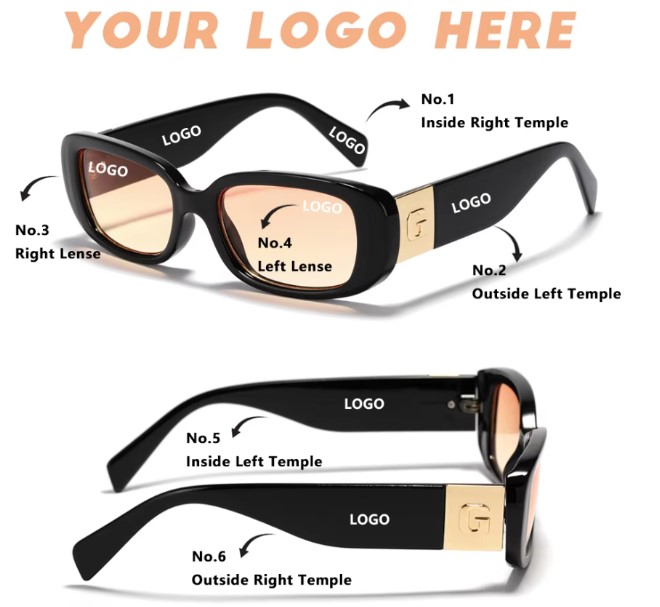

Custom sunglasses production involves several stages, so the timeline depends on more than the factory’s daily production capacity. Design approval, sampling, tooling, material sourcing, manufacturing, quality checks, and shipping can all affect when an order reaches your warehouse.
Working with a custom sunglasses manufacturer gives brands the opportunity to develop products around specific designs and specifications. The total timeline depends on the complexity of the collection, order quantity, customization level, and how quickly the brand approves samples and production details.
What Is the Typical Manufacturing Timeline?
There is no universal turnaround time for every custom sunglasses order. A simple project using established designs may move faster than a collection that requires completely new molds and extensive customization.
For planning purposes, brands should consider the project as a series of stages rather than expecting one fixed production period.
A typical workflow includes:
- Design and specification review
- Sample development
- Sample revisions and approval
- Tooling or mold preparation
- Material preparation
- Bulk manufacturing
- Quality inspection
- Packaging and shipment
The duration of each stage depends on the manufacturer’s capabilities and the requirements of the order.
Design Review and Order Planning
The first stage begins when the manufacturer receives the brand’s design specifications. The production team reviews dimensions, materials, colors, lens requirements, branding details, and order quantities.
Clear specifications can help this stage move efficiently. Missing measurements or unclear artwork may lead to additional questions and revisions, which can extend the schedule.
Brands should provide complete information as early as possible to avoid unnecessary delays.
How Long Does Sample Development Take?
Sampling often represents one of the most important stages in custom eyewear development. The manufacturer creates a physical sample so the brand can assess the design before approving bulk production.
A simple design may require fewer revisions, while a completely original frame could go through several rounds of adjustments.
Brands should allow time for reviewing each sample carefully. Quick feedback helps keep development moving, while lengthy approval periods can push the overall launch date further back.
Does Custom Tooling Add Time?
A new frame design may require custom tooling or molds. Creating these production tools adds another step before manufacturers can begin large-scale production.
The complexity of the frame influences how much preparation the tooling requires. Existing designs or established production molds may reduce development time compared with completely new concepts.
Ask the manufacturer about tooling requirements during the initial quotation stage. This gives you a better understanding of the expected production schedule.
Material Availability Can Affect Lead Times
Materials also influence the manufacturing timeline. Frames, lenses, hinges, nose pads, packaging, and other components may need to be sourced or prepared before production starts.
Standard materials that remain readily available may help keep the process moving. Special colors, unusual components, or customized packaging could require additional preparation.
Confirm material availability before approving the final production schedule.
Bulk Production Timeline
Once samples receive approval and all required materials and tooling are ready, bulk manufacturing can begin.
The size and complexity of the order influence production time. A small collection with a limited number of variations may move faster than a large order containing multiple frame styles, colors, and lens specifications.
Ask for a realistic production estimate based on your specific order rather than relying on a general manufacturing timeline.
Quality Control Adds an Important Step
Manufacturers need time to inspect completed sunglasses before packaging and shipment. Quality checks help identify issues involving frames, lenses, hinges, finishes, colors, and branding.
Skipping proper inspection to save time can create larger problems later. Defective products may lead to customer complaints, returns, or costly replacements.
A realistic schedule should therefore include enough time for quality control.
Packaging and Shipping Take Additional Time
Production completion does not necessarily mean your order has arrived. Finished sunglasses still need packaging, documentation, loading, and transportation.
Shipping time varies according to the destination and selected transportation method. International shipments may also involve customs clearance and other import procedures.
When planning a product launch, calculate the manufacturing timeline and logistics timeline separately.
What Can Cause Manufacturing Delays?
Several factors can extend the expected schedule. Some depend on the manufacturer, while others come from the brand or external suppliers.
Common causes include:
- Design changes after sample approval
- Delayed sample feedback
- New tooling requirements
- Material shortages
- Changes in order quantities
- Customized packaging requirements
- Production capacity limitations
- Quality issues requiring rework
- Shipping or customs delays
Understanding these risks makes it easier to build a realistic launch plan.
How Brands Can Reduce Production Delays
Brands cannot control every part of the manufacturing process, but good preparation can remove many avoidable delays.
Finalize designs before production begins and provide accurate measurements, artwork, colors, and packaging specifications. Respond promptly when the manufacturer requests clarification or approval.
It also helps to establish one clear approval process. Too many changes from different stakeholders can slow development and create confusion.
Should You Order Earlier for a New Collection?
Planning ahead gives your business more flexibility. A new sunglasses collection may involve additional design and sampling work that a repeat order does not require.
Repeat production often follows an established specification, while a new collection may require more development and approval.
Brands launching products for a specific season should therefore avoid scheduling production too close to the intended release date.
How Eugenia Eyewear Can Fit Into Your Research
Eugenia Eyewear represents one manufacturer that brands can research when exploring custom sunglasses production. When comparing suppliers, consider both manufacturing capabilities and the way each company manages development, sampling, production, and delivery.
Rather than asking only how quickly a supplier can manufacture sunglasses, ask how the entire project timeline works from initial design through final shipment.
Questions to Ask About Manufacturing Time
Before placing an order, ask the manufacturer for clear answers about the complete timeline.
Useful questions include:
- How long does sample development usually take?
- How many sample revisions can I expect?
- Does my design require new tooling?
- Are the requested materials currently available?
- What production time applies to my order quantity?
- How long does quality inspection take?
- When does the production clock officially begin?
- What factors could cause delays?
- What shipping options are available?
Written timelines make it easier to coordinate inventory, marketing, and product launches.
Build a Realistic Production Schedule
Custom sunglasses manufacturing rarely follows a single fixed timetable. The final delivery date depends on the interaction between design development, approvals, materials, tooling, production, inspection, and shipping.
The best approach involves discussing every stage with your manufacturer before placing the order. Allow extra time for revisions and unexpected delays rather than planning around the shortest possible estimate.
With organized communication and early preparation, brands can create a more predictable manufacturing schedule and bring new sunglasses collections to market with fewer disruptions.


