
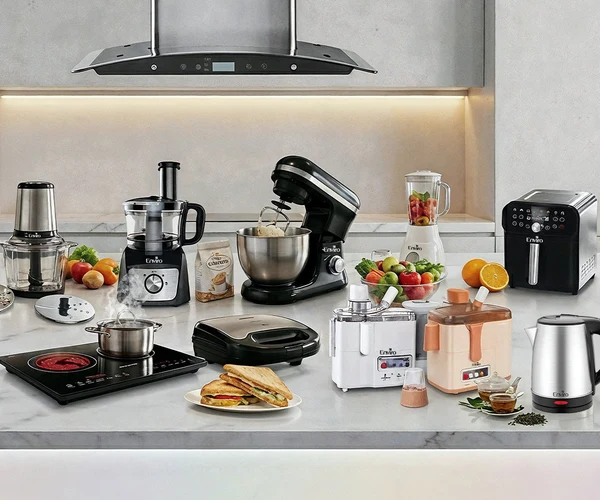

Product quality is one of the most important factors consumers consider when purchasing household appliances. Reliable performance, durability, and safety all depend on the standards followed during product development and manufacturing. To consistently deliver dependable appliances, manufacturers implement quality control measures at every stage of the production process.
A reputable small appliance company maintains product quality by combining careful product design, strict manufacturing standards, comprehensive testing, and continuous improvement. Every stage, from selecting raw materials to inspecting finished products, plays a role in ensuring appliances meet customer expectations. To explore the wide variety of products offered by a small appliance company, it is helpful to understand the processes that support consistent product quality.
Starting with High-Quality Materials
Product quality begins with the selection of raw materials. Using durable and reliable materials helps manufacturers produce appliances that can withstand regular household use.
Manufacturers often consider:
- Material strength
- Heat resistance
- Electrical insulation
- Corrosion resistance
- Long-term durability
Quality materials provide a strong foundation for dependable appliances.
Careful Product Design
Thoughtful product design is essential for ensuring both functionality and reliability. Engineers and designers work together to create appliances that are practical, efficient, and easy to use.
Design priorities typically include:
- User-friendly controls
- Comfortable handling
- Compact construction
- Easy maintenance
- Reliable performance
Well-designed products are more likely to perform consistently throughout their lifespan.
Maintaining High Manufacturing Standards
Reliable manufacturers follow standardized production procedures to ensure each appliance is built with consistent quality.
Key manufacturing practices include:
- Precision assembly
- Process monitoring
- Equipment calibration
- Production consistency
- Regular inspections
These practices help reduce errors and maintain uniform product quality.
Implementing Comprehensive Quality Control
Quality control is an ongoing process that takes place throughout manufacturing. Products are inspected at multiple stages to identify and correct potential issues before they reach consumers.
Quality control activities commonly include:
- Visual inspections
- Functional testing
- Component verification
- Performance evaluations
- Final product inspections
These checks help maintain consistent manufacturing standards.
Conducting Product Testing
Extensive testing allows manufacturers to verify that appliances meet quality and safety expectations before they are released to the market.
Common testing procedures include:
- Performance testing
- Durability evaluations
- Electrical safety testing
- Heat resistance assessments
- Operational consistency checks
Regular testing helps identify opportunities for product improvement while ensuring reliable performance.
Prioritizing Product Safety
Safety is closely linked to product quality. Manufacturers incorporate safety features and testing procedures to help ensure appliances operate securely during everyday use.
Important safety measures include:
- Overheating protection
- Stable product construction
- Electrical insulation testing
- Mechanical strength evaluations
- Temperature monitoring
These precautions contribute to dependable and safe household appliances.
Investing in Research and Development
Continuous improvement is an important part of maintaining product quality. Research and development teams evaluate new technologies and consumer preferences to enhance existing products.
Areas of focus often include:
- Improved efficiency
- Better durability
- Enhanced functionality
- Simplified operation
- Energy-saving designs
Innovation helps manufacturers keep products competitive while improving the user experience.
Training and Process Improvement
Maintaining quality also depends on well-managed production processes and continuous operational improvements.
Manufacturers often focus on:
- Employee training
- Process optimization
- Production monitoring
- Equipment maintenance
- Consistent manufacturing procedures
These efforts help ensure quality remains consistent across every production cycle.
Supporting Long-Term Customer Satisfaction
High product quality contributes directly to customer satisfaction by reducing maintenance needs and improving reliability over time.
Consumers benefit from:
- Reliable performance
- Longer product lifespan
- Consistent operation
- Improved safety
- Better overall value
Quality-focused manufacturing creates products that continue performing well throughout everyday use.
Conclusion
Maintaining product quality requires attention to every stage of the manufacturing process. A small appliance company achieves this by selecting quality materials, following strict production standards, conducting thorough testing, prioritizing safety, and continuously improving its products. Through these efforts, manufacturers can deliver reliable household appliances that provide lasting performance, durability, and value for consumers.

