
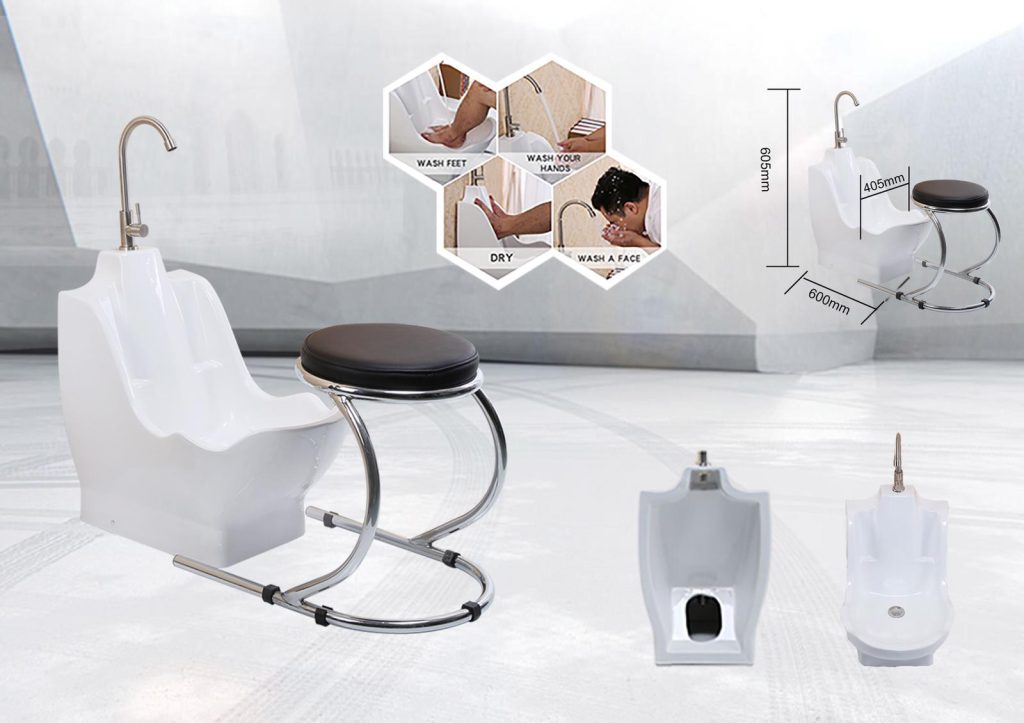

Hygiene compliance has become a central requirement in modern public infrastructure, especially in religious facilities where large numbers of people gather daily. Mosques, Islamic centers, airports, and educational institutions must maintain strict cleanliness standards to ensure user safety, comfort, and regulatory alignment. As a result, ablution facility design has evolved to prioritize sanitation efficiency and long-term hygiene control.
A well-designed Ablution Wash Basin system plays a crucial role in achieving these standards. Beyond serving as a functional washing station, it is now engineered to support hygiene compliance through improved materials, optimized layouts, and advanced water management systems that reduce contamination risks and simplify maintenance.
The Importance of Hygiene Compliance in Ablution Areas
Ablution spaces experience continuous use throughout the day, especially during prayer times. This high frequency of contact with water and shared surfaces increases the risk of contamination if proper design standards are not followed.
Hygiene compliance ensures:
- Safe and clean washing environments for users
- Reduced risk of bacterial and microbial growth
- Consistent sanitation standards across facilities
- Improved public health outcomes in shared spaces
These factors are essential for maintaining trust and usability in religious and public infrastructure.
Non-Porous Materials and Contamination Control
One of the most significant improvements in modern basin systems is the use of non-porous materials. These surfaces are engineered to resist water absorption and microbial buildup, which are common problems in traditional materials.
Benefits of non-porous surfaces include:
- Prevention of bacteria penetration into the material
- Easier cleaning and disinfection processes
- Reduced staining and odor retention
- Long-term surface hygiene stability
This makes them ideal for high-traffic ablution environments.
Seamless Design for Improved Sanitation
Traditional basin systems often include joints, grout lines, or seams that can trap dirt and moisture. Modern design approaches eliminate these weak points to enhance hygiene performance.
Seamless construction offers:
- No gaps for dirt or bacteria accumulation
- Smooth surfaces for efficient cleaning
- Reduced maintenance requirements
- Improved visual cleanliness
This design approach significantly improves hygiene compliance in public facilities.
Efficient Water Flow and Drainage Systems
Proper water management is essential for maintaining cleanliness in ablution areas. Poor drainage can lead to stagnant water, slippery surfaces, and contamination risks.
Modern systems incorporate:
- Optimized drainage channels for rapid water removal
- Anti-splash basin geometry to minimize contamination spread
- Controlled water flow to reduce waste and overflow
- Dry-zone separation to maintain hygienic walking areas
These features help maintain continuous cleanliness throughout the facility.
Reduced Contact Design for Infection Control
Modern hygiene-focused design also reduces unnecessary physical contact with shared surfaces. This is especially important in high-traffic environments.
Key design improvements include:
- Strategically placed taps for minimal touch exposure
- Ergonomic layouts that reduce surface contact
- Sensor-based or controlled flow systems in advanced setups
- Easy-access cleaning points for maintenance staff
These features help reduce the spread of germs and improve compliance with hygiene standards.
Maintenance Efficiency and Cleaning Protocols
Hygiene compliance depends not only on design but also on ease of maintenance. Systems that are difficult to clean are more likely to fall short of sanitation requirements.
Maintenance-friendly features include:
- Smooth surfaces that require minimal scrubbing
- Resistance to harsh cleaning chemicals
- Easy repair and refinishing options
- Accessible plumbing for quick servicing
These characteristics ensure consistent hygiene performance over time.
Layout Design and Hygiene Flow Management
The layout of ablution basins directly affects how hygiene is maintained during peak usage periods. Poor flow design can lead to overcrowding and contamination risks.
Effective layout strategies include:
- Clear separation of entry and exit pathways
- Adequate spacing between users
- Organized multi-user basin arrangements
- Dedicated wet and dry zones
These designs reduce cross-contamination and improve overall facility hygiene.
Compliance with Modern Facility Standards
Many modern construction projects must comply with strict hygiene and building regulations. Ablution systems are increasingly designed to meet these standards from the ground up.
Compliance benefits include:
- Alignment with international sanitation guidelines
- Suitability for public infrastructure certifications
- Improved safety ratings for high-traffic facilities
- Enhanced credibility for facility operators
This makes compliant basin systems essential for large-scale developments.
Export Demand for Hygienic Ablution Systems
Global demand for hygienic ablution solutions is growing rapidly as countries invest in modern Islamic infrastructure. Buyers prioritize systems that ensure long-term cleanliness and compliance.
Key markets include:
- Middle Eastern mosque construction projects
- Southeast Asian Islamic institutions
- African urban development initiatives
- European community religious centers
Manufacturers that emphasize hygiene compliance gain a strong competitive advantage in these regions.
Marketing Strategies for Global Reach
To succeed in international markets, manufacturers must clearly communicate hygiene and compliance benefits. Buyers often evaluate products based on sanitation performance and maintenance efficiency.
Effective marketing strategies include:
- SEO-optimized content targeting hygiene and mosque infrastructure keywords
- Case studies demonstrating improved sanitation outcomes
- Technical documentation highlighting compliance features
- Global B2B platform listings and trade engagement
These strategies help build trust and attract international buyers.
Conclusion
Hygiene compliance is a critical requirement in modern ablution facility design, and advanced Ablution Wash Basin systems play a key role in achieving it. Through non-porous materials, seamless construction, efficient drainage, and user-focused layouts, these systems ensure safe and sanitary environments in high-traffic spaces. As global demand for modern Islamic infrastructure continues to rise, manufacturers that prioritize hygiene-driven design and compliance standards are best positioned to succeed in international markets.

