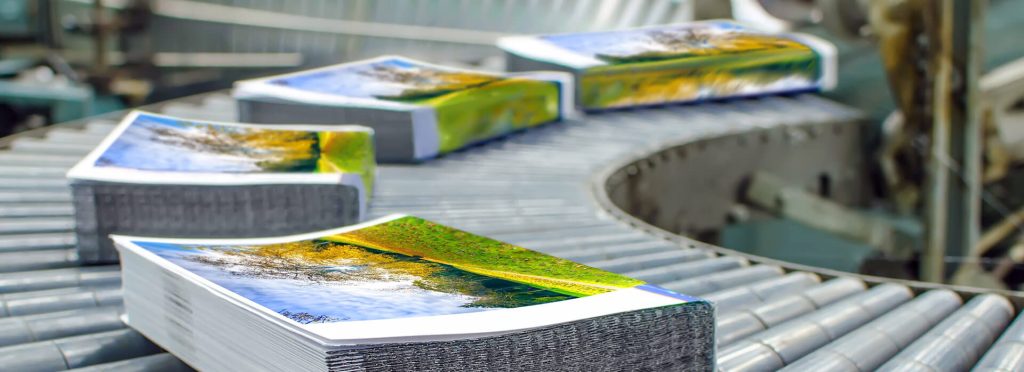

Sustainability has become an increasingly important consideration in modern publishing, and the printing industry is no exception. As businesses, authors, and organizations look for ways to reduce their environmental impact, eco-friendly materials in book production are gaining significant attention. From recycled paper to vegetable-based inks, environmentally responsible choices are reshaping how printed books are designed and produced.
Today’s printing solutions make it easier to balance quality with sustainability. Many providers offering custom book printing now incorporate greener materials and processes, allowing creators to produce professional books while minimizing environmental harm. This shift reflects a broader industry trend toward responsible manufacturing and resource efficiency.
The Importance of Sustainability in Book Printing
Traditional printing methods often rely on large amounts of paper, chemical-based inks, and energy-intensive production processes. While these methods are effective, they can contribute to deforestation, pollution, and waste if not managed responsibly.
Eco-friendly printing aims to reduce these impacts by using renewable resources, recyclable materials, and cleaner production techniques. This approach not only benefits the environment but also appeals to environmentally conscious readers and businesses that prioritize sustainability in their operations.
As awareness grows, sustainable printing is becoming a standard expectation rather than a niche option.
Recycled Paper and Sustainable Paper Sources
One of the most widely used eco-friendly materials in custom book printing is recycled paper. This type of paper is made from post-consumer or post-industrial waste, reducing the need for virgin wood pulp and helping conserve natural resources.
Recycled paper has improved significantly in quality over the years and is now suitable for a wide range of book types, including novels, educational materials, and corporate publications. It offers good readability and durability while maintaining a lower environmental footprint.
In addition to recycled paper, sustainably sourced paper from certified forests is also commonly used. These papers come from responsibly managed forests that follow strict environmental standards, ensuring minimal impact on ecosystems.
FSC-Certified Paper and Responsible Forestry
FSC-certified paper is another important component of eco-friendly printing. The Forest Stewardship Council (FSC) certification ensures that paper products come from responsibly managed forests that provide environmental, social, and economic benefits.
Using FSC-certified paper helps reduce deforestation and promotes sustainable forest management practices. It also ensures traceability, allowing publishers to verify that their materials meet recognized environmental standards.
For businesses and authors, choosing FSC-certified paper is a simple yet effective way to support sustainability while maintaining professional print quality.
Soy-Based and Vegetable-Based Inks
Traditional printing inks often contain petroleum-based chemicals that can be harmful to the environment. In contrast, soy-based and vegetable-based inks offer a more sustainable alternative.
These inks are made from renewable resources such as soybeans or other plant oils, reducing reliance on fossil fuels. They also produce fewer volatile organic compounds (VOCs), which helps improve air quality during the printing process.
In addition to their environmental benefits, soy-based inks provide vibrant color reproduction and strong print quality, making them suitable for both text-heavy and image-rich books.
Water-Based Coatings and Finishing Materials
Finishing processes such as coatings and laminations are essential for enhancing the durability and appearance of printed books. However, traditional coatings can sometimes include harmful chemicals.
Eco-friendly alternatives include water-based coatings, which reduce environmental impact while still providing protection against moisture, scratches, and wear. These coatings are commonly used for book covers, packaging, and promotional materials.
By replacing solvent-based finishes with water-based options, printers can significantly reduce emissions and improve workplace safety.
Energy-Efficient Printing Processes
Sustainable book printing is not limited to materials alone. Energy-efficient production methods also play a key role in reducing environmental impact.
Modern printing facilities often use advanced digital printing systems that consume less energy compared to traditional offset printing for small runs. Additionally, automated workflows help reduce waste by optimizing material usage and minimizing errors during production.
Some printing operations also incorporate renewable energy sources, such as solar or wind power, to further reduce their carbon footprint.
Waste Reduction and Recycling Practices
Another important aspect of eco-friendly custom book printing is waste management. Efficient production planning helps minimize paper waste, ink waste, and defective prints.
Many printing providers implement recycling programs that reuse paper scraps, cardboard packaging, and other materials generated during production. Digital proofing systems also reduce the need for physical samples, further decreasing material consumption.
These practices contribute to a more sustainable production cycle and help reduce overall environmental impact.
Benefits of Eco-Friendly Book Printing
Adopting eco-friendly materials in book printing offers several advantages beyond environmental responsibility. It can enhance brand reputation, especially for businesses that prioritize sustainability in their operations.
Environmentally conscious printing can also appeal to modern consumers who prefer products aligned with their values. In addition, sustainable materials often maintain high-quality standards, ensuring that books remain visually appealing and durable.
Key benefits include:
- Reduced environmental impact
- Improved brand image and credibility
- Compliance with sustainability standards
- High-quality print results with modern materials
- Support for responsible sourcing and production
Conclusion
Eco-friendly materials are transforming the custom book printing industry by making sustainable publishing more accessible and practical. From recycled and FSC-certified paper to soy-based inks and energy-efficient production methods, each element contributes to a more responsible printing process.
As demand for sustainable solutions continues to grow, printing providers are increasingly adopting greener practices without compromising quality. This shift allows authors, businesses, and publishers to produce professional books while supporting environmental responsibility and long-term sustainability goals.