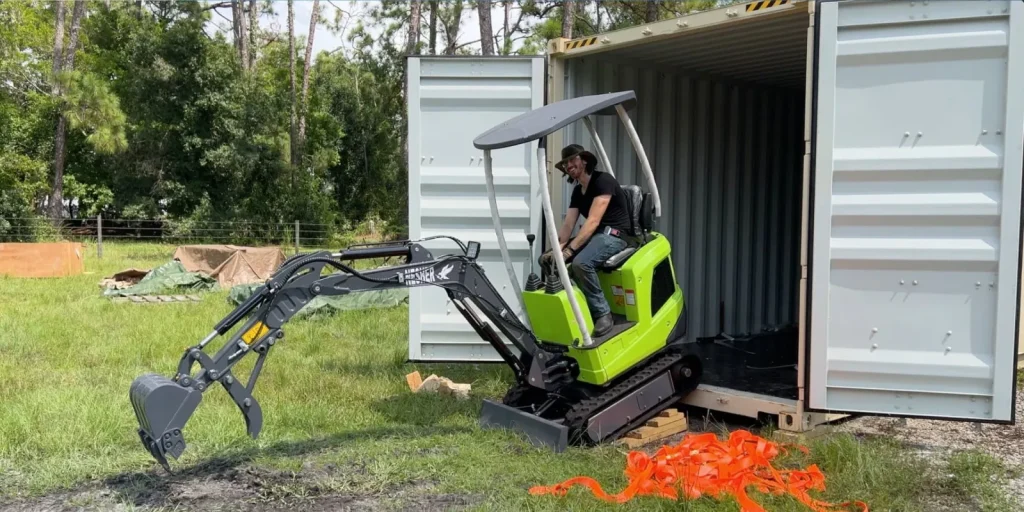

Electric mini excavators are widely used in construction, landscaping, and utility projects because of their compact design and efficiency. One of the most important factors to consider when selecting a machine is its weight class. Different weight categories determine performance, mobility, stability, and suitability for specific job sites.
When evaluating an electric mini excavator for sale, understanding weight classes helps buyers choose the right balance between power and maneuverability. Selecting the correct size ensures better productivity and cost efficiency across different project types.
Why Weight Class Matters in Mini Excavators
The weight of a mini excavator directly influences how it performs in various working environments. Heavier machines typically offer more digging power and stability, while lighter models provide better access to tight spaces.
Key reasons weight class is important:
- Determines digging strength and lifting capacity
- Affects transport and mobility requirements
- Impacts ground pressure and surface damage
- Influences fuel or battery efficiency
- Defines suitability for different job sites
Choosing the right category improves both efficiency and safety.
Ultra-Light Electric Mini Excavators (Below 1 Ton)
Ultra-light models are the smallest class of electric mini excavators. They are designed for extremely tight spaces and light-duty work.
Typical applications include:
- Small garden landscaping
- Indoor renovation projects
- Narrow trenching tasks
- Light excavation work
Advantages:
- Excellent maneuverability
- Easy transport and storage
- Minimal ground disturbance
- Ideal for residential use
However, they have limited digging depth and lifting capacity.
Light Weight Class (1–2 Tons)
Lightweight electric mini excavators are among the most popular choices for residential and small commercial projects. They offer a balance between performance and compact size.
Common uses:
- Backyard landscaping
- Utility trenching
- Small construction projects
- Driveway and drainage work
Advantages:
- Better digging power than ultra-light models
- Still compact enough for tight spaces
- Suitable for diverse applications
- Easier handling for operators
This category is often chosen for general-purpose work.
Medium Weight Class (2–3.5 Tons)
Medium weight electric mini excavators provide increased power and stability while maintaining reasonable compactness. They are suitable for more demanding tasks.
Typical applications include:
- Commercial landscaping
- Infrastructure maintenance
- Medium-depth trenching
- Light demolition work
Advantages:
- Stronger hydraulic performance
- Greater digging depth and reach
- Improved stability on uneven ground
- Higher productivity for extended use
This class is ideal for contractors with mixed workloads.
Heavy Mini Excavators (3.5–6 Tons)
Heavy mini excavators offer maximum power within the mini category. They are designed for tougher excavation and construction tasks.
Common uses:
- Roadside construction work
- Utility infrastructure projects
- Larger-scale excavation jobs
- Demolition and material handling
Advantages:
- High digging force and lifting capacity
- Suitable for challenging soil conditions
- Better stability under heavy loads
- More advanced attachment compatibility
These machines are closer in performance to standard excavators while still maintaining compact advantages.
Choosing the Right Weight Class for Your Project
Selecting the right weight class depends on several factors related to job requirements and operating conditions.
Important considerations include:
- Job site size and accessibility
- Depth and intensity of excavation work
- Transportation limitations
- Budget and operational costs
- Frequency of machine usage
Understanding these factors helps ensure the machine matches real-world project needs.
Impact of Weight on Performance and Efficiency
Weight class also affects efficiency in electric mini excavators. Heavier models typically consume more energy but deliver greater power, while lighter machines are more energy-efficient but limited in capability.
Key performance impacts include:
- Battery runtime differences
- Travel speed and mobility
- Hydraulic strength and responsiveness
- Stability during operation
Balancing weight with performance requirements is essential for optimal results.
Conclusion
Different weight classes of electric mini excavators offer distinct advantages depending on the type of work being performed. From ultra-light residential models to heavy-duty compact machines, each category serves specific construction and excavation needs.
For contractors and buyers evaluating an electric mini excavator for sale, understanding weight classifications is essential for selecting the right equipment that ensures efficiency, safety, and long-term value across diverse job site conditions.