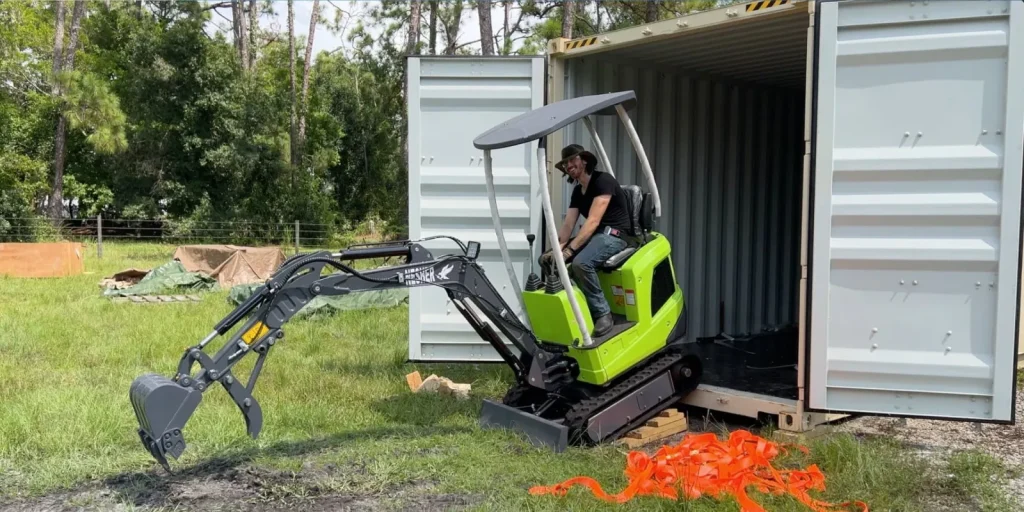

The construction industry is increasingly under pressure to reduce its environmental impact, particularly in terms of carbon emissions, noise pollution, and fuel consumption. As sustainability becomes a priority for governments and private developers, electric-powered machinery is emerging as a practical alternative to traditional diesel equipment. Among these innovations, electric mini excavators are playing a significant role in promoting cleaner construction practices.
When evaluating an electric mini excavator for sale, environmental performance is now just as important as digging power or productivity. These machines are designed to reduce emissions while still delivering reliable performance across a wide range of construction applications.
The Shift Toward Sustainable Construction Equipment
Construction sites have traditionally relied on diesel-powered machinery, which produces significant greenhouse gas emissions and contributes to air pollution. As environmental regulations become stricter, the industry is shifting toward low-emission and zero-emission alternatives.
Electric mini excavators represent this shift by replacing internal combustion engines with battery-powered electric systems, significantly reducing environmental impact.
Zero Direct Emissions on Job Sites
One of the most important environmental benefits of electric mini excavators is the elimination of direct exhaust emissions. Unlike diesel machines, they do not release carbon dioxide, nitrogen oxides, or particulate matter during operation.
This makes them particularly suitable for urban construction zones, indoor projects, and environmentally sensitive areas where air quality standards must be maintained.
Reduction of Carbon Footprint
By using electricity instead of fossil fuels, electric mini excavators help reduce the overall carbon footprint of construction projects. When paired with renewable energy sources such as solar or wind power, their environmental benefits increase even further.
This makes them a valuable tool for companies aiming to meet sustainability goals and carbon reduction targets.
Noise Pollution Reduction
Environmental impact is not limited to air quality. Noise pollution is another major concern in construction activities. Electric mini excavators operate significantly quieter than diesel-powered machines.
Reduced noise levels improve working conditions for operators and minimize disturbance to nearby communities, wildlife, and sensitive environments such as schools and hospitals.
Energy Efficiency and Resource Optimization
Electric mini excavators are generally more energy-efficient than traditional machines. Electric motors convert a higher percentage of energy into usable work, reducing wasted energy compared to combustion engines.
This efficiency helps reduce overall resource consumption and improves sustainability across construction operations.
Improved Air Quality in Urban Areas
Air pollution is a serious issue in densely populated cities. Diesel-powered construction equipment contributes to poor air quality, which can affect public health.
Electric mini excavators help improve urban air quality by eliminating exhaust emissions at the source, making them ideal for city-based infrastructure projects.
Environmentally Friendly Indoor Applications
Indoor construction environments such as warehouses, tunnels, and basements require machinery that does not produce harmful fumes. Electric mini excavators are well-suited for these environments due to their clean operation.
This eliminates the need for complex ventilation systems and improves safety for workers operating in enclosed spaces.
Support for Green Building Initiatives
Many modern construction projects are designed to meet green building standards and sustainability certifications. Using electric machinery supports these initiatives by reducing environmental impact during the construction phase.
Electric mini excavators contribute to compliance with environmental regulations and certification programs focused on sustainable development.
Reduced Fuel Dependency
Another important environmental advantage is the reduction in fossil fuel consumption. Diesel engines rely on continuous fuel supply, which contributes to resource depletion and transportation-related emissions.
Electric mini excavators reduce dependency on fuel-based energy sources, supporting a transition toward cleaner and more sustainable energy systems.
Lower Maintenance Waste
Electric machines generally require less maintenance compared to diesel-powered equipment. With fewer oil changes, filters, and engine components, they generate less waste material over their lifecycle.
This reduction in consumable parts contributes to overall environmental sustainability in equipment management.
Role in Future Sustainable Construction
As technology continues to advance, electric construction equipment is expected to become more widespread. Improvements in battery efficiency, charging infrastructure, and energy storage will further enhance environmental benefits.
Electric mini excavators are likely to play a central role in future eco-friendly construction practices worldwide.
Conclusion
Electric mini excavators offer significant environmental benefits, including zero direct emissions, reduced carbon footprint, lower noise pollution, and improved energy efficiency. These advantages make them an essential solution for modern sustainable construction practices. When selecting an electric mini excavator for sale, considering environmental performance ensures compliance with regulations, supports green building goals, and contributes to a cleaner and more sustainable future for the construction industry.