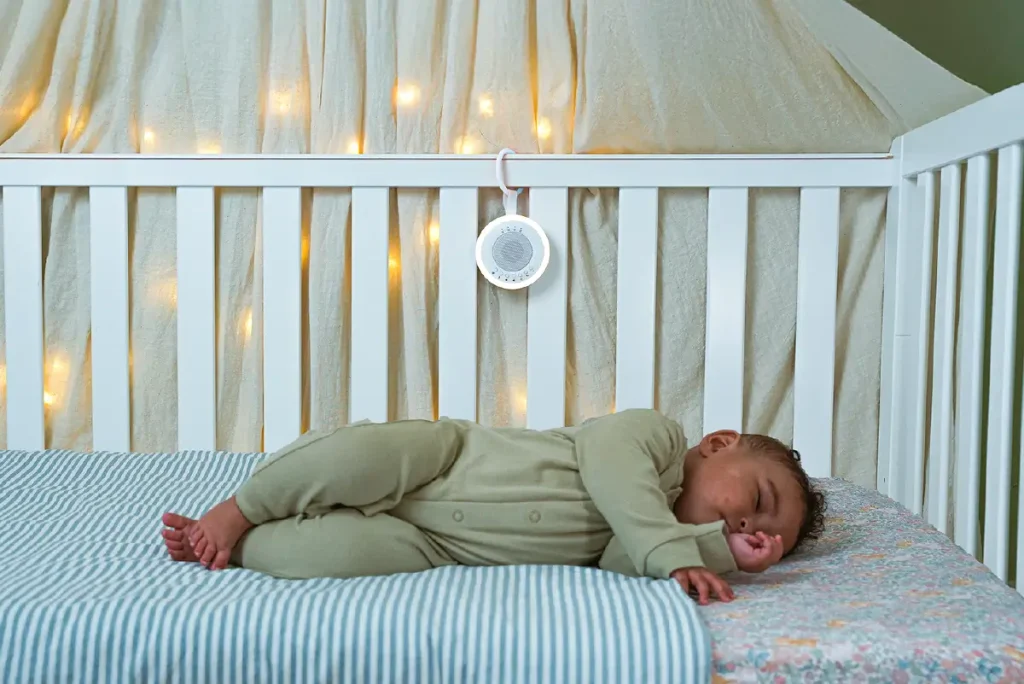

Creating a safe and consistent sleep environment for infants is a top priority for parents. Babies are highly sensitive to both environmental noise and device usage, which means any sleep aid must be carefully designed with safety in mind. While white noise machines can be highly effective for improving infant sleep, their safety features play an equally important role in ensuring they are used appropriately and comfortably.
When evaluating the best infant white noise machine, understanding key safety features helps parents make informed choices that support both healthy sleep and overall well-being.
Why Safety Matters in Infant Sound Devices
Infants have developing hearing systems and require controlled exposure to sound. Unlike adults, babies cannot regulate their environment or move away from discomfort, which makes safe device design essential.
Poorly designed sound devices may risk:
- Excessively loud sound exposure
- Overstimulation during sleep
- Improper placement near the crib
- Continuous operation without control
For these reasons, safety features are not optional—they are essential.
Safe Volume Control Limits
One of the most important safety features in any infant white noise machine is controlled volume output. Babies are more sensitive to sound than adults, so devices must allow precise and safe adjustments.
Effective volume control should:
- Offer gradual, fine-level adjustments
- Maintain safe maximum output limits
- Prevent accidental over-amplification
- Allow consistent low-level background sound
This ensures the sound remains soothing rather than overwhelming.
Automatic Timer and Shut-Off Functions
Continuous sound exposure throughout the entire day or night is not always necessary. Timer functions help regulate usage and prevent unnecessary operation.
These features support safety by:
- Automatically turning off after a set duration
- Preventing prolonged exposure during naps or sleep cycles
- Conserving energy and reducing device wear
- Supporting structured sleep routines
Timers also help parents maintain consistent sleep schedules for their babies.
Baby-Safe Sound Profiles
Not all sound types are suitable for infants. Safe white noise machines are designed with gentle, non-stimulating audio options that support relaxation without causing distress.
Safe sound profiles often include:
- Soft white noise
- Gentle heartbeat sounds
- Low-frequency ambient tones
- Calm nature sounds at controlled levels
These options avoid harsh or sudden sound changes that could disturb sleep.
Safe Placement and Design Stability
Physical safety is just as important as sound safety. Infant white noise machines should be designed for secure placement in nursery environments.
Key considerations include:
- Stable, non-tip designs
- Secure casing to prevent access to internal components
- Cordless or safely managed charging systems
- Placement guidance away from direct crib contact
Proper placement ensures the device does not pose any physical risk to the baby.
Continuous but Controlled Playback
While continuous sound can help maintain sleep stability, it must be carefully controlled. Safe devices ensure uninterrupted operation without sudden volume spikes or audio distortion.
This supports safety by:
- Maintaining consistent sound levels throughout sleep
- Preventing abrupt sound changes
- Supporting smoother sleep transitions
- Reducing unexpected sensory disruptions
Consistency is key for both safety and effectiveness.
Low Blue Light or No-Light Design
Some infant sleep devices include lights or displays. However, excessive or bright lighting can interfere with sleep quality. Safe designs minimize visual stimulation.
Safe lighting features include:
- Dim or adjustable nightlights
- Optional light-off modes
- Soft, warm lighting tones if included
- No flashing or bright indicators during sleep mode
This helps maintain a calm nursery environment conducive to rest.
Durable and Child-Safe Materials
Infant devices should always be made from non-toxic and durable materials. Babies may come into indirect contact with the device, so material safety is essential.
Safe construction typically includes:
- BPA-free plastics
- Rounded edges and smooth surfaces
- Heat-resistant casing
- Secure assembly to prevent small part detachment
These features reduce physical risks in everyday nursery use.
Sound Level Consistency and Stability
In addition to volume limits, sound stability is a key safety factor. Fluctuating or inconsistent sound can be disruptive to infant sleep patterns.
Safe machines ensure:
- Steady, uninterrupted audio output
- No sudden increases in volume
- Smooth transitions between sound modes
- Reliable performance over long periods
This creates a predictable sleep environment that supports comfort and safety.
Choosing the Right Safe Device
When selecting a sound machine, parents should prioritize safety features over extra functions. While additional features like lullabies or nightlights can be helpful, they should never compromise core safety standards.
It is important to consider:
- Volume control precision
- Timer functionality
- Sound type safety
- Physical design stability
- Ease of operation during nighttime use
A simple, safe, and reliable device is often more effective than a complex one.
Final Thoughts
Safety is the most important factor when selecting an infant white noise machine. Features such as controlled volume, safe sound profiles, stable design, and timer functions all contribute to creating a secure sleep environment for babies. When used correctly, a well-designed device can support better sleep quality while ensuring comfort and protection. Choosing a thoughtfully built product helps parents create a calm, consistent, and safe nursery environment that supports healthy infant development.