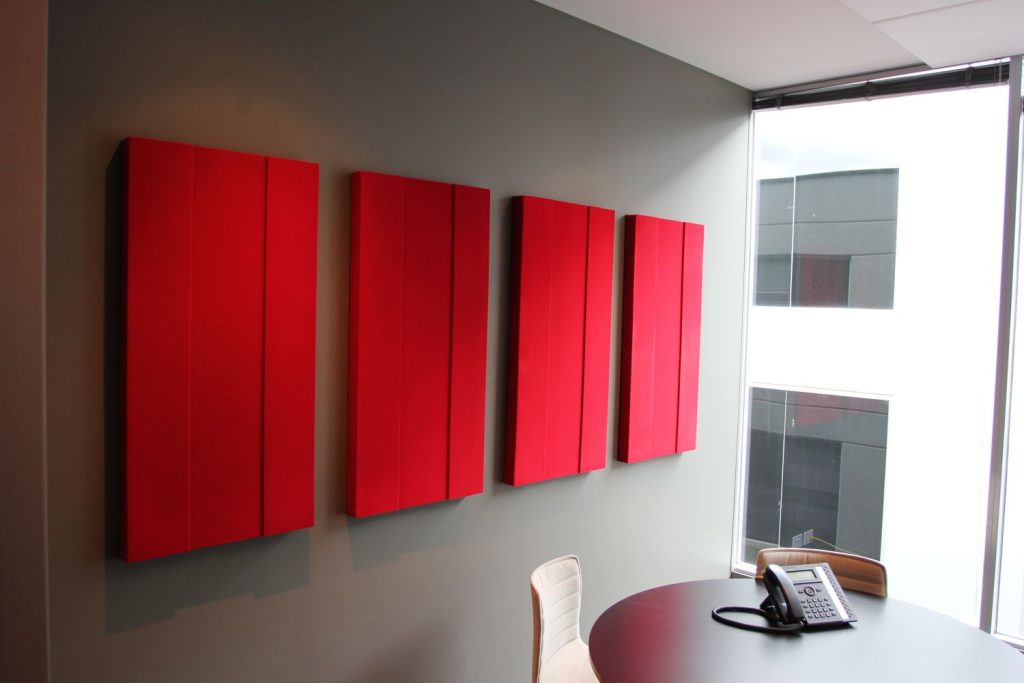

Acoustic panels are widely used in modern architecture to improve sound quality in offices, schools, hotels, and residential buildings. While most buyers focus on performance and design, the real foundation of product quality begins at the manufacturing level. Understanding how production works inside an acoustic panel factory helps buyers and project managers make more informed decisions when selecting materials for their projects.
Choosing a reliable source such as an experienced acoustic panel factory ensures that every stage of production—from raw materials to final inspection—meets strict quality expectations. Factory operations and quality control systems directly determine how well acoustic panels perform in real-world environments.
Overview of Acoustic Panel Manufacturing Operations
The production of acoustic panels involves multiple carefully controlled stages. Each step is designed to ensure consistency in performance, durability, and appearance.
Raw Material Selection
Manufacturing begins with selecting suitable materials such as polyester fibers, wood composites, fabric layers, or recycled acoustic cores. The quality of raw materials plays a major role in determining sound absorption efficiency and product lifespan.
Panel Formation and Shaping
Once materials are prepared, they are processed into specific shapes and densities. This stage ensures that each panel meets design specifications and acoustic performance targets.
Surface Finishing and Treatment
Panels are then finished with fabric wrapping, coatings, or decorative surfaces. This step not only enhances appearance but also contributes to sound diffusion and absorption characteristics.
Importance of Precision in Factory Operations
Precision manufacturing is essential in acoustic panel production. Even small variations in thickness, density, or material distribution can affect sound absorption performance.
Factories use controlled machinery and standardized processes to maintain consistency across all production batches. This ensures that every panel delivers predictable acoustic results once installed in a building.
Quality Control Standards in Acoustic Panel Production
Quality control is a critical part of factory operations. It ensures that every product meets both technical and safety requirements before leaving the facility.
Incoming Material Inspection
Before production begins, raw materials are tested for density, purity, and structural integrity. This step prevents low-quality inputs from affecting final product performance.
In-Process Quality Monitoring
During production, continuous checks are conducted to ensure consistency in panel thickness, bonding strength, and surface finish. Any deviations are corrected immediately to maintain uniform quality.
Final Product Testing
Finished panels undergo acoustic performance testing to measure sound absorption efficiency. This ensures that products meet required Noise Reduction Coefficient (NRC) standards.
NRC=sound energy absorbedsound energy incidentNRC = \frac{\text{sound energy absorbed}}{\text{sound energy incident}}NRC=sound energy incidentsound energy absorbed
Safety and Compliance Checks
Fire resistance, environmental safety, and durability tests are also conducted to ensure compliance with international building standards.
Automation and Technology in Modern Factories
Modern acoustic panel factories often use advanced machinery and automated systems to improve precision and efficiency. Automation reduces human error and ensures consistent production quality across large volumes.
Computer-controlled cutting systems, automated pressing machines, and digital quality tracking tools help maintain tight production tolerances and reduce material waste.
Role of Skilled Workforce in Quality Assurance
While automation plays a major role, skilled technicians are still essential in maintaining quality standards. Experienced workers oversee production lines, perform inspections, and ensure that machines operate correctly.
Their expertise is especially important in custom production runs where non-standard sizes or designs require additional attention.
Environmental Management in Factory Operations
Many acoustic panel factories are now adopting environmentally responsible manufacturing practices. These include waste reduction systems, recycling of production scraps, and energy-efficient machinery.
Eco-friendly production not only reduces environmental impact but also aligns with global green building standards, which are increasingly important in commercial construction projects.
Packaging and Logistics Quality Control
Quality control does not end at production. Proper packaging is essential to ensure that panels arrive in perfect condition. Factories use protective materials and structured packaging systems to prevent damage during transportation.
Efficient logistics planning also ensures timely delivery, which is critical for construction project schedules.
Why Factory Standards Matter for Buyers
Understanding factory operations helps buyers evaluate product reliability more effectively. High-quality factories provide:
- Consistent acoustic performance
- Better durability and lifespan
- Compliance with safety standards
- Reliable delivery schedules
- Reduced installation issues
These factors directly influence project success and long-term satisfaction.
Final Thoughts
Acoustic panel manufacturing is a highly structured process that depends on precision, quality control, and technical expertise. From raw material selection to final inspection, every stage plays a crucial role in ensuring product performance.
Working with a reputable acoustic panel factory helps guarantee that acoustic solutions meet both functional and safety requirements. Strong factory operations and strict quality standards ultimately lead to better sound control, improved durability, and more reliable performance across a wide range of building applications.