
Roller coating technology is one of the most widely used methods in modern metal finishing industries, especially in continuous coil processing systems. It is valued for its ability to deliver precise, uniform coating layers while maintaining high production speeds and minimizing material waste. In aluminum processing, this method plays a crucial role in ensuring both functional protection and high-quality surface appearance.
In industrial manufacturing, the aluminum coil coating line relies heavily on roller coating systems to achieve consistent film thickness and stable application across long metal strips. This technology allows manufacturers to control coating distribution with high accuracy, making it suitable for architectural, automotive, and appliance-grade aluminum products.
What Is Roller Coating Technology?
Roller coating is a mechanical application process where coating material is transferred onto an aluminum surface using a set of precision rollers. The system typically includes multiple rollers that control coating pickup, transfer, and application pressure.
Unlike spray or manual coating methods, roller coating ensures:
- Uniform coating thickness
- Controlled material usage
- Reduced overspray and waste
- Continuous high-speed operation
This makes it ideal for large-scale industrial production where consistency is essential.
Main Components of a Roller Coating System
A typical roller coating setup within a coil coating line consists of several key components working together in synchronization.
These include:
- Pickup roller: Collects coating material from the tray or reservoir
- Metering roller: Controls the thickness of the coating layer
- Application roller: Transfers coating onto the aluminum strip
- Backup roller: Supports the metal strip during coating
- Coating pan system: Stores and circulates coating material
Each component must be precisely calibrated to ensure stable coating performance.
How Roller Coating Works in Continuous Production
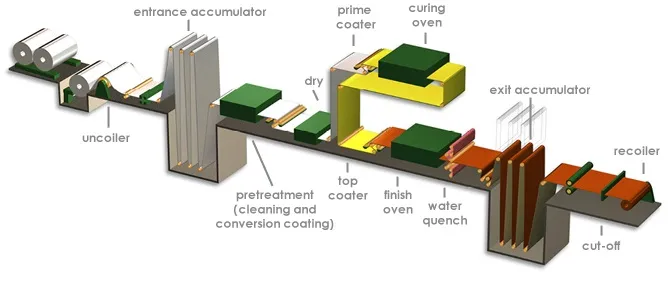
In a continuous coil coating line, the aluminum strip moves at a controlled speed through the roller coating station. As it passes through, the rollers apply a thin, even layer of coating material across the entire surface.
The process depends on several synchronized parameters:
- Roller speed
- Line speed
- Roller pressure
- Coating viscosity
- Gap settings between rollers
Any imbalance in these parameters can lead to defects such as streaking, uneven thickness, or surface marks. Therefore, precise control systems are essential for maintaining stability.
Advantages of Roller Coating Technology
Roller coating offers several advantages over alternative coating methods, particularly in high-volume industrial production.
Key benefits include:
- High coating uniformity
- Excellent material efficiency
- Reduced environmental emissions
- Faster production speeds
- Consistent surface quality
Because the process is enclosed and controlled, it also reduces contamination risks compared to open spraying systems.
Importance of Viscosity Control
Coating viscosity plays a critical role in roller coating performance. If the coating material is too thick, it may not spread evenly. If it is too thin, it may fail to provide adequate coverage.
To maintain proper viscosity, manufacturers use:
- Temperature-controlled coating systems
- Automated mixing units
- Real-time viscosity monitoring sensors
Stable viscosity ensures smooth transfer from rollers to the aluminum surface and improves final coating consistency.
Pressure and Gap Adjustment in Rollers
Roller pressure and gap settings directly influence coating thickness and surface finish. Small adjustments in these parameters can significantly change the final result.
Higher pressure generally leads to:
- Thinner coating layers
- Increased surface smoothness
Lower pressure may result in:
- Thicker coatings
- Reduced uniformity if not controlled properly
Modern systems use automated adjustment mechanisms to maintain optimal settings throughout production.
Integration with Drying and Curing Systems
After roller coating, the aluminum strip immediately enters drying and curing ovens. This integration is essential because coating stability depends on controlled evaporation and curing conditions.
The transition between coating and curing must be carefully managed to avoid:
- Sagging or dripping
- Uneven drying
- Surface defects
Coordinated system design ensures that coating integrity is preserved from application to final curing.
Quality Control in Roller Coating Processes
Quality control is essential in maintaining consistent results in roller coating systems. Manufacturers use both manual inspection and automated monitoring tools to detect defects early.
Common inspection points include:
- Coating thickness uniformity
- Surface smoothness
- Color consistency
- Edge coverage quality
Advanced systems may also use optical sensors to detect real-time variations during production.
Maintenance of Roller Coating Equipment
Proper maintenance is necessary to ensure long-term performance and prevent production defects. Rollers are particularly sensitive components and must be kept clean and properly aligned.
Maintenance practices include:
- Regular roller cleaning
- Alignment checks
- Bearing lubrication
- Wear inspection and replacement
Neglecting maintenance can lead to uneven coating and increased downtime.
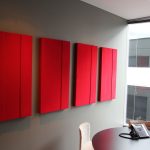
Applications of Roller-Coated Aluminum
Roller-coated aluminum products are widely used across multiple industries due to their durability and aesthetic flexibility.
Common applications include:
- Building facades and roofing panels
- Interior decorative surfaces
- Appliance housings
- Transportation panels
The combination of precision coating and durable finishes makes it suitable for both functional and decorative use.
Conclusion
Roller coating technology is a fundamental part of modern aluminum finishing systems, offering high precision, efficiency, and consistency. Its ability to deliver uniform coatings at industrial scale makes it essential in continuous production environments.
A modern aluminum coil coating line integrates roller coating with advanced control systems, ensuring stable application, optimized material usage, and high-quality surface results. As industrial demand for durable and visually appealing aluminum products continues to grow, roller coating technology will remain a key component in achieving reliable and efficient production outcomes.