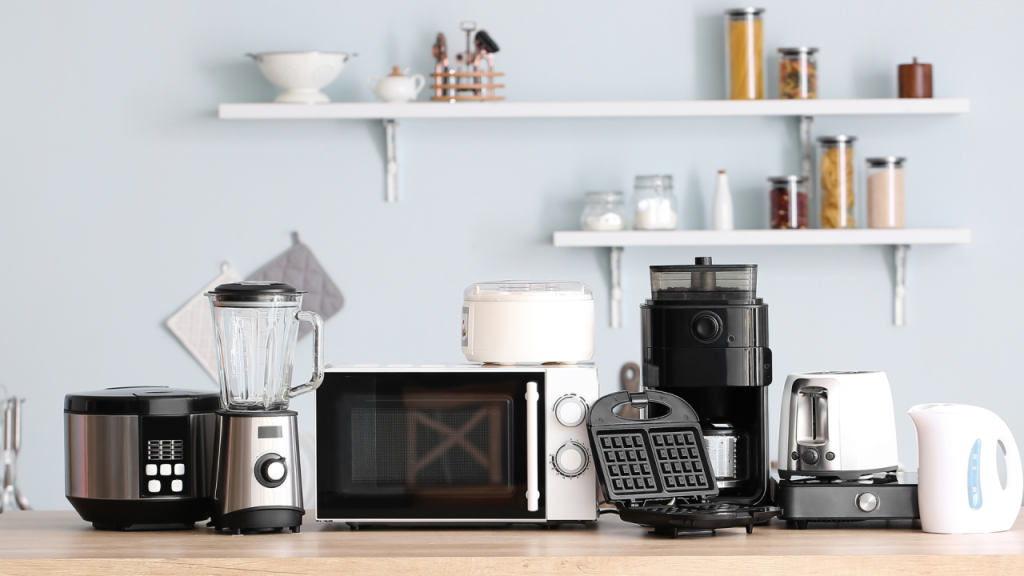

Smart homes are no longer a futuristic concept. They are becoming a standard part of modern living, where everyday devices are connected, automated, and remotely controlled. From lighting systems to kitchen equipment, consumers now expect seamless digital integration across household appliances.
Within this shift, small appliance brands are playing an increasingly important role by developing products that support smart home ecosystems and IoT (Internet of Things) connectivity, transforming traditional appliances into intelligent, connected devices.
The Rise of Smart Home Ecosystems
A smart home ecosystem connects multiple devices through a central platform, allowing users to control them via smartphones, voice assistants, or automated schedules. This integration improves convenience, energy efficiency, and overall user experience.
Small appliances have become a key part of this ecosystem because they are used frequently and can benefit significantly from automation. Devices such as smart kettles, coffee makers, air fryers, and vacuum cleaners are now commonly integrated into connected home systems.
How IoT Is Transforming Small Appliances
IoT technology enables appliances to communicate with each other and with users in real time. This connectivity is changing how people interact with household devices.
Key IoT features in modern small appliances include:
- Remote control via mobile apps
- Voice command compatibility with smart assistants
- Real-time monitoring of performance and energy usage
- Automated scheduling and operation settings
These features not only improve convenience but also help users manage energy consumption more efficiently.
Key Features of Smart Small Appliances
As technology evolves, smart small appliances are becoming more advanced and user-friendly. Manufacturers are focusing on integrating practical features that enhance daily living.
Common smart features include:
- Wi-Fi or Bluetooth connectivity
- App-based control interfaces
- Customizable cooking or operation modes
- Maintenance alerts and usage tracking
- Firmware updates for performance improvements
These innovations allow users to personalize appliance behavior based on their lifestyle and preferences.
Role of App Integration and User Interfaces
Mobile applications play a central role in smart appliance functionality. Through dedicated apps, users can control multiple devices, set schedules, and monitor performance remotely.
A well-designed app interface typically offers:
- Simple device pairing and setup
- Intuitive control dashboards
- Real-time notifications and alerts
- Energy consumption reports
- Multi-device management in one platform
Ease of use is critical, as complicated interfaces can discourage users from fully adopting smart features.
Compatibility with Smart Assistants and Platforms
One of the key considerations in smart appliance development is compatibility with existing smart home platforms. Leading systems such as voice assistants and home automation hubs allow users to integrate appliances into a unified ecosystem.
Common integrations include:
- Voice control through smart assistants
- Automation routines triggered by time or activity
- Synchronization with other smart home devices
- Centralized control through home hubs
This compatibility ensures that small appliances can function seamlessly alongside other connected devices in the home.
Energy Efficiency and Intelligent Optimization
Smart small appliances are not only about convenience—they also contribute to energy savings. IoT-enabled devices can optimize performance based on usage patterns and real-time data.
Examples of energy-efficient features include:
- Automatic shut-off when not in use
- Power adjustment based on workload
- Usage tracking to identify consumption patterns
- Eco-mode settings for reduced energy use
These features help consumers reduce electricity costs while promoting sustainable living.
Security and Data Protection in Smart Appliances
As appliances become more connected, data security has become an important concern. Smart devices often collect usage data, which must be protected from unauthorized access.
Manufacturers are improving security through:
- Encrypted data transmission
- Secure user authentication systems
- Regular software and firmware updates
- Protected cloud storage systems
Strong security measures are essential to maintain user trust in smart home ecosystems.
Market Growth and Future Potential
The demand for smart appliances continues to grow as consumers adopt more connected lifestyles. This trend is expected to expand further with advancements in AI, machine learning, and home automation technology.
Future developments may include:
- Greater AI-based automation in appliance behavior
- Predictive maintenance features
- Enhanced interoperability between different brands
- More affordable smart appliance options for mass markets
As technology becomes more accessible, smart home adoption is expected to increase globally.
Conclusion
Smart home and IoT integration are reshaping the small appliance industry, turning everyday devices into intelligent tools that improve convenience, efficiency, and control. From app connectivity to energy optimization, innovation is driving a new generation of home appliances.
As this transformation continues, small appliance brands that invest in smart technology and seamless integration will play a leading role in defining the future of connected living.