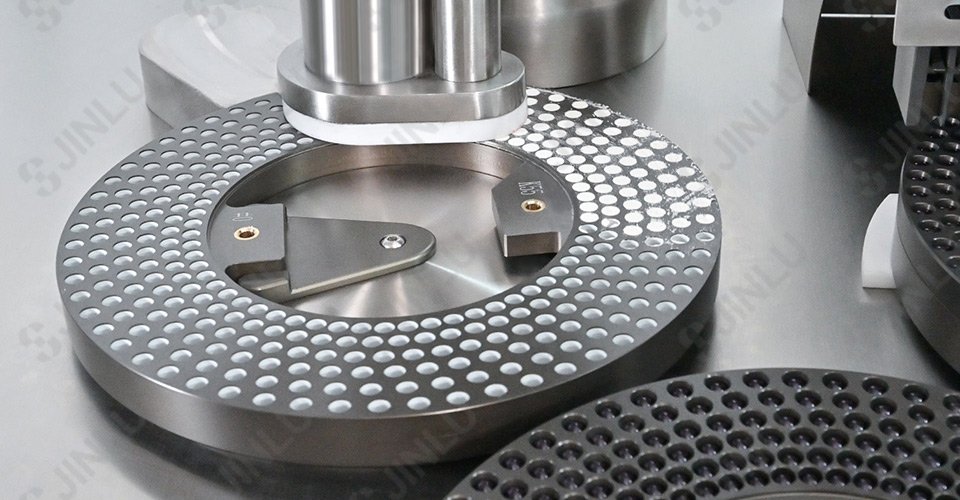

In pharmaceutical manufacturing, efficiency and production capacity are two of the most important parameters that determine profitability and scalability. Capsule production lines must consistently deliver accurate dosing, stable output, and minimal downtime to meet growing market demands. As competition increases, manufacturers are focusing more on optimizing equipment performance rather than simply increasing production speed.
An encapsulation machine is designed to streamline capsule production by automating key stages such as capsule separation, filling, and sealing. However, its overall efficiency and output capacity depend on several technical and operational factors that must be carefully managed.
Understanding Efficiency in Capsule Production
Efficiency in capsule manufacturing refers to how effectively a machine converts raw materials into finished capsules with minimal waste, time loss, and operational errors. A highly efficient system ensures smooth production flow and consistent product quality.
Key elements of efficiency include:
- Stable machine operation without frequent interruptions
- Accurate dosing with minimal material wastage
- Fast cycle times between production stages
- Reduced manual intervention during operation
When these factors are optimized, manufacturers can achieve higher productivity without increasing operational costs.
Production Capacity and Its Key Influencing Factors
Production capacity refers to the number of capsules a machine can produce within a specific time period. While machine specifications provide a baseline capacity, actual output often varies based on operational conditions.
Major factors affecting capacity include:
- Machine type and automation level
- Operator experience and handling efficiency
- Capsule size and formulation characteristics
- Powder flowability and material consistency
- Maintenance condition of the equipment
Even small variations in these factors can significantly impact overall production output.
Role of Machine Design in Performance
The structural design of a capsule filling system plays a critical role in determining both efficiency and capacity. Well-engineered machines reduce mechanical resistance and improve workflow synchronization.
Important design aspects include:
- Smooth capsule transfer mechanisms
- Precise dosing systems for consistent filling
- Efficient separation and locking units
- Vibration-free operation for stable performance
A well-designed system ensures that each stage of production operates in harmony, improving overall output quality.
Impact of Material Flow and Formulation Quality
Raw material characteristics directly influence how efficiently a machine operates. Poor material flow can slow down production and affect filling accuracy.
To improve performance, manufacturers should focus on:
- Proper granulation of powders for better flowability
- Consistent particle size distribution
- Controlled moisture levels in raw materials
- Pre-processing to eliminate clumping or segregation
Optimized formulations help maintain smooth machine operation and consistent capsule filling.
Operator Efficiency and Workflow Management
Even in advanced systems, operator performance plays a significant role in production efficiency. Proper training and workflow management can greatly improve output capacity.
Operators contribute to efficiency through:
- Accurate machine setup and calibration
- Continuous monitoring during production runs
- Quick response to operational issues
- Proper handling of material loading and adjustments
Well-trained operators help reduce downtime and ensure stable production performance.
Maintenance and Its Effect on Output Stability
Regular maintenance is essential for sustaining high efficiency and production capacity. Neglected machines often experience reduced performance and unexpected breakdowns.
Key maintenance practices include:
- Routine cleaning of dosing and contact parts
- Regular lubrication of moving components
- Inspection of wear-prone mechanical parts
- Timely calibration for consistent dosing
Proper maintenance ensures long-term stability and prevents efficiency loss over time.
Balancing Speed with Accuracy
One of the biggest challenges in capsule production is balancing high-speed output with dosing accuracy. Increasing speed without proper control can lead to inconsistencies and product rejection.
Manufacturers must ensure:
- Stable filling even at higher operating speeds
- Controlled adjustment of production parameters
- Regular quality checks during operation
- Avoidance of overloading the machine beyond capacity
Maintaining this balance ensures both productivity and product quality.
Conclusion
Efficiency and production capacity in capsule manufacturing depend on a combination of machine design, material quality, operator skill, and maintenance practices. Optimizing these factors allows manufacturers to achieve consistent output while maintaining strict quality standards.
A well-managed encapsulation system ensures stable performance, reduced operational costs, and higher productivity. By focusing on both technical and operational improvements, pharmaceutical producers can maximize their manufacturing potential and maintain long-term efficiency in capsule production.