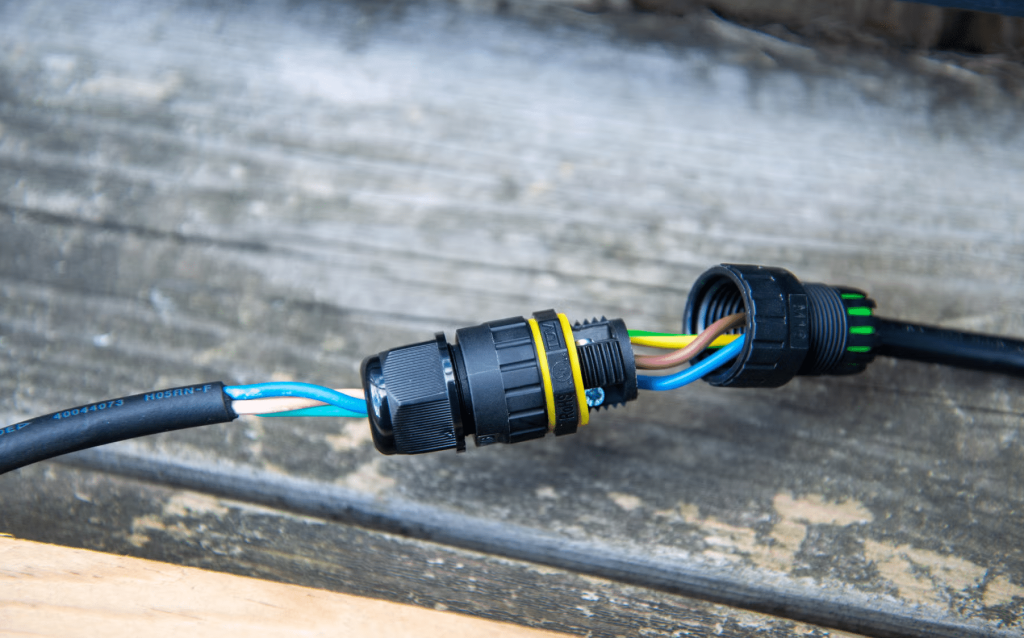

A CCTV system is only as reliable as its weakest connection, and connectors are one of the most critical components in ensuring stable video transmission. Even with high-quality cameras and cables, poor connector selection can lead to signal loss, image distortion, or intermittent video failures. Understanding how to choose the right connectors for different camera systems helps improve performance and reduce long-term maintenance issues.
In surveillance setups, connectors act as the bridge between cameras, cables, and recording devices. They must maintain a secure physical and electrical connection to ensure uninterrupted signal flow in all conditions.
High-quality cctv cable connectors are widely used in modern surveillance systems because they provide stable connections, reduce interference, and support long-term system reliability.
Understanding the Role of CCTV Connectors
Connectors are responsible for linking different components of a CCTV system, such as cameras, DVRs, and power supplies. Their main function is to ensure smooth transmission of video signals without loss or interference.
A well-designed connector provides:
- Secure cable attachment
- Stable signal transmission
- Reduced risk of disconnection
- Protection against environmental damage
Without reliable connectors, even the best CCTV cables cannot perform effectively.
Types of CCTV Camera Systems and Connector Requirements
Different CCTV systems use different transmission technologies, which require specific connector types. Choosing the correct connector depends on the camera system being used.
Analog CCTV Systems
Traditional analog systems use coaxial cables and BNC connectors. These connectors are widely used due to their simple installation and stable performance.
Key characteristics include:
- Twist-lock mechanism
- Reliable coaxial signal transmission
- Compatibility with standard DVR systems
HD-over-Coax Systems
Modern HD analog systems such as HD-TVI, HD-CVI, and AHD also use BNC connectors but require higher-quality versions to support improved video resolutions.
These systems need:
- High-frequency signal support
- Low-loss transmission
- Better shielding compatibility
IP Camera Systems
IP-based systems typically use Ethernet cables with RJ45 connectors. These connectors support digital data transmission and often include Power over Ethernet (PoE).
Features include:
- Network-based connectivity
- Data and power transmission in one cable
- Compatibility with NVR systems
Importance of Connector Quality
Connector quality directly affects the overall performance of a CCTV system. Low-quality connectors may cause unstable video feeds or frequent signal interruptions.
High-quality connectors offer:
- Strong mechanical durability
- Corrosion resistance
- Consistent signal conductivity
- Long-term reliability
In demanding environments, durable connectors help maintain stable surveillance operations.
Environmental Considerations for Connectors
CCTV systems are often installed in outdoor or industrial environments where connectors are exposed to harsh conditions. Environmental resistance is a key factor in connector selection.
Important protection features include:
- Waterproof sealing for outdoor use
- Dust resistance in industrial areas
- Temperature tolerance for extreme climates
- Anti-corrosion coatings for humid environments
Proper environmental protection extends the lifespan of both connectors and cables.
Connector Installation Best Practices
Even high-quality connectors can fail if installed incorrectly. Proper installation ensures maximum performance and system stability.
Secure Locking Mechanism
Ensure connectors are tightly locked to prevent loosening due to vibration or movement.
Proper Crimping Technique
Incorrect crimping can weaken signal transmission and reduce durability.
Avoid Cable Stress
Excess bending or pulling can damage connector joints and internal wiring.
Clean Installation Environment
Dust or moisture during installation can affect long-term connector performance.
Matching Connectors with Cable Types
Not all connectors are compatible with every type of CCTV cable. Proper matching ensures efficient signal transmission and system reliability.
For example:
- Coaxial cables require BNC connectors
- Ethernet cables require RJ45 connectors
- Hybrid systems may require specialized connectors
Using mismatched components can result in poor video quality or system failure.
Common Connector Problems in CCTV Systems
Connector-related issues are a frequent cause of CCTV system malfunctions. Recognizing these problems early can help prevent larger system failures.
Typical issues include:
- Loose connections
- Corrosion buildup
- Signal flickering
- Complete video loss
- Physical damage from wear
Regular inspection helps identify these problems before they affect system performance.
Maintenance Tips for CCTV Connectors
Routine maintenance improves connector lifespan and ensures consistent performance.
Best practices include:
- Inspect connectors regularly for damage
- Clean metal contacts when needed
- Replace worn or corroded connectors
- Ensure tight and stable fittings
- Protect outdoor connectors with waterproof housing
Consistent maintenance reduces downtime and improves system reliability.
Conclusion
Choosing the right connectors is essential for building a stable and efficient CCTV system. Different camera technologies require specific connector types, and selecting the correct one ensures smooth video transmission and long-term reliability.
By focusing on quality, compatibility, and environmental protection, users can significantly improve system performance. Proper installation and regular maintenance further enhance durability and reduce the risk of signal-related issues, making connectors a vital part of any successful surveillance setup.