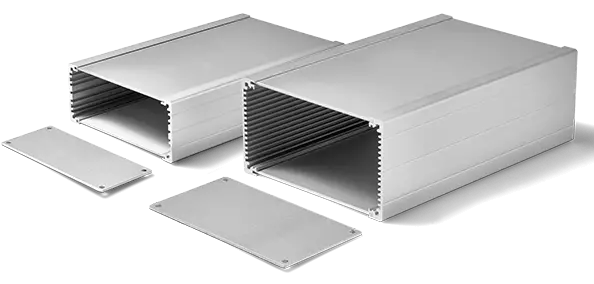

Aluminium enclosures are widely used in industrial, electrical, and electronic applications due to their strength, lightweight structure, and resistance to environmental damage. Their performance depends heavily on the quality of materials used, the finishing processes applied, and the overall manufacturing standards followed during production.
Working with a professional aluminium enclosure manufacturer ensures that every stage—from material selection to surface treatment—is carefully controlled to deliver long-lasting and reliable enclosure solutions. These factors directly influence durability, corrosion resistance, and suitability for demanding environments.
Importance of Material Selection in Aluminium Enclosures
Material selection is the foundation of enclosure performance. Aluminium is chosen for its excellent balance of strength, weight, and corrosion resistance, but not all aluminium grades are the same.
Manufacturers typically select materials based on:
- Mechanical strength requirements
- Environmental exposure conditions
- Thermal conductivity needs
- Weight restrictions in system design
High-quality aluminium alloys are preferred because they provide improved durability while maintaining ease of fabrication. Proper selection ensures the enclosure performs reliably in both indoor and outdoor applications.
Common Aluminium Grades Used in Manufacturing
Different aluminium grades are used depending on the application and performance requirements. Each grade offers unique properties that affect strength, corrosion resistance, and machinability.
Commonly used grades include:
- 6061 aluminium: Known for strength and versatility in industrial applications
- 5052 aluminium: Offers excellent corrosion resistance, especially in marine environments
- 1100 aluminium: Highly formable and used for lightweight applications
- 3003 aluminium: Balanced strength and good workability
Selecting the correct grade is essential for ensuring long-term durability and performance stability.
Surface Finishing and Its Role in Protection
Surface finishing is a critical step in aluminium enclosure manufacturing. It enhances both appearance and functional performance by protecting the material from environmental damage.
A reliable aluminium enclosure manufacturer applies finishing techniques such as:
- Anodizing for improved corrosion resistance and surface hardness
- Powder coating for durable, weather-resistant color protection
- Brushed or polished finishes for aesthetic applications
- Conductive coatings for electromagnetic interference (EMI) shielding
These finishes not only extend the lifespan of the enclosure but also improve its suitability for specific industrial environments.
Anodizing for Enhanced Durability
Anodizing is one of the most common finishing methods used in aluminium enclosure production. It creates a protective oxide layer on the surface, increasing resistance to corrosion, wear, and environmental exposure.
Benefits of anodizing include:
- Improved surface hardness
- Better resistance to oxidation
- Enhanced aesthetic appearance
- Increased lifespan in harsh environments
This process is especially useful for outdoor installations and industrial systems exposed to moisture or chemicals.
Powder Coating for Industrial Applications
Powder coating provides a durable and uniform finish that protects aluminium enclosures from scratches, corrosion, and UV exposure. It is widely used in industrial environments where durability and appearance both matter.
Key advantages include:
- Strong protective layer against environmental damage
- Wide range of color options
- Resistance to fading and wear
- Smooth and consistent surface finish
This makes powder coating suitable for both functional and aesthetic requirements.
Durability Factors in Aluminium Enclosures
Durability is one of the most important performance indicators for aluminium enclosures. It depends on a combination of material quality, manufacturing precision, and finishing techniques.
Key durability factors include:
- Material grade and structural integrity
- Thickness and reinforcement design
- Quality of surface finishing
- Sealing and ingress protection (IP rating)
- Resistance to mechanical impact and vibration
When these factors are properly managed, enclosures can perform reliably in demanding industrial conditions for many years.
Environmental Resistance and Performance
Aluminium enclosures are often used in environments where exposure to dust, moisture, temperature changes, and chemicals is unavoidable. Proper manufacturing ensures that these enclosures maintain performance under such conditions.
Performance benefits include:
- High resistance to corrosion in outdoor environments
- Stable performance under temperature fluctuations
- Protection against dust and water ingress
- Reduced maintenance requirements over time
This makes aluminium enclosures suitable for industries such as energy, automation, telecommunications, and transportation.
Role of Manufacturing Precision in Durability
Even with high-quality materials and finishes, durability depends heavily on manufacturing precision. Poor machining or assembly can weaken structural integrity and reduce product lifespan.
A professional manufacturer ensures:
- Accurate CNC machining and tight tolerances
- Proper sealing and gasket installation
- Strong joint and weld integrity
- Consistent quality control across production batches
These practices ensure that every enclosure meets performance expectations in real-world conditions.
Conclusion
Materials, finishing, and durability are closely connected factors that define the quality of aluminium enclosures. From selecting the right alloy to applying advanced surface treatments, each step contributes to long-term performance and reliability.
Partnering with an experienced aluminium enclosure manufacturer ensures that every aspect of production is optimized for strength, protection, and environmental resistance. As industrial demands continue to grow, high-quality materials and precise manufacturing will remain essential for delivering durable enclosure solutions across all applications.