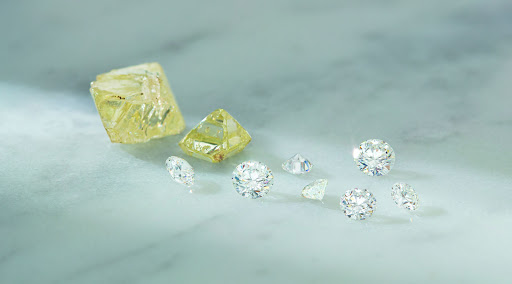

Introduction to Sourcing Melee Diamonds
Sourcing melee diamonds wholesale is a critical step for jewelry manufacturers, designers, and retailers who rely on consistent quality and supply. These small diamonds, typically under 0.2 carats, are widely used to enhance sparkle in rings, bracelets, necklaces, and other fine jewelry pieces. Because they are used in large quantities, sourcing them correctly directly impacts production efficiency, cost control, and the final appearance of jewelry.
Understanding Wholesale Supply Channels
The wholesale market for melee diamonds operates through a network of manufacturers, traders, and distributors who specialize in supplying bulk quantities. Businesses must evaluate suppliers based on quality consistency, pricing transparency, and delivery reliability. In modern jewelry production, many manufacturers now prefer lab-grown options due to their affordability and ethical sourcing advantages.
A growing number of suppliers offer Melee Diamonds Wholesale, providing calibrated stones that meet strict grading standards. These suppliers typically categorize diamonds by size, color, and clarity, making it easier for jewelry producers to maintain consistency across designs. Choosing the right wholesale partner is essential for ensuring uninterrupted production and maintaining product quality.
Defining Your Production Requirements
Before sourcing melee diamonds, it is important to clearly define production requirements. Jewelry manufacturers must determine the exact specifications needed, including size range, cut quality, color grade, and clarity level. These factors vary depending on the type of jewelry being produced. For example, pavé rings require extremely uniform small diamonds, while bracelets may allow slightly broader tolerances.
Establishing these requirements early helps streamline communication with suppliers and reduces the risk of mismatched inventory. It also ensures that the selected melee diamonds align with the design vision and quality expectations of the final product.
Evaluating Supplier Quality Standards
Quality control is one of the most important aspects of sourcing melee diamonds wholesale. Since these diamonds are used in large quantities, even minor inconsistencies can affect the overall appearance of jewelry. Reputable suppliers implement strict grading systems to ensure uniformity in cut, size, and color.
Manufacturers should request detailed specifications and sample batches before committing to large orders. This allows them to assess how well the diamonds perform in actual jewelry settings. Consistency across batches is especially important for brands that produce large-scale collections or repeat designs.
Comparing Natural and Lab-Grown Options
One of the key decisions in sourcing melee diamonds is choosing between natural and lab-grown stones. Natural diamonds are valued for their traditional appeal and rarity, while lab-grown diamonds offer identical physical and optical properties at a lower cost.
Lab-grown melee diamonds have become increasingly popular in jewelry production due to their sustainability and affordability. They allow manufacturers to scale production more efficiently while maintaining high visual standards. Natural diamonds, however, are still preferred in luxury segments where heritage and exclusivity are important selling points. The choice depends on brand positioning and target market.
Pricing Strategies in Wholesale Purchasing
Pricing plays a significant role in sourcing decisions. Melee diamonds are typically sold in bulk, with prices influenced by quality, origin, and order volume. Larger purchases often result in better per-unit pricing, making bulk buying more cost-effective for manufacturers.
It is important to compare multiple suppliers to understand market rates and identify competitive offers. However, the lowest price should not be the only consideration. Quality consistency, supply reliability, and after-sales support are equally important factors that impact long-term production efficiency.
Importance of Supplier Reliability
Reliable suppliers are essential for maintaining smooth jewelry production. Delays in delivery or inconsistencies in quality can disrupt manufacturing schedules and increase costs. Businesses should prioritize suppliers with a proven track record of timely delivery and consistent product standards.
Long-term partnerships with trusted suppliers often result in better pricing, priority service, and improved communication. Many manufacturers choose to work closely with a small number of dependable wholesalers rather than constantly switching suppliers, which helps maintain stability in production planning.
Logistics and Inventory Management
Efficient logistics and inventory management are key components of sourcing melee diamonds wholesale. Since these diamonds are used continuously in production, maintaining adequate stock levels is essential. Manufacturers must coordinate closely with suppliers to ensure timely replenishment and avoid production delays.
Digital inventory systems can help track usage patterns and forecast future requirements. This allows businesses to place orders strategically and reduce the risk of overstocking or shortages. Proper planning ensures that production schedules remain uninterrupted and cost-efficient.
Building Long-Term Sourcing Relationships
Establishing strong relationships with wholesale suppliers is one of the most effective strategies for long-term success. Reliable partnerships often lead to better pricing, priority access to high-quality stones, and improved customization options. Communication plays a key role in building trust and ensuring that both parties understand expectations clearly.
Over time, strong supplier relationships can also lead to collaborative opportunities, such as custom sorting, exclusive collections, or tailored supply solutions that align with specific brand needs.
Conclusion
Sourcing melee diamonds wholesale for jewelry production requires careful planning, supplier evaluation, and a clear understanding of production needs. From defining specifications to choosing between natural and lab-grown options, every decision impacts the quality and efficiency of the final product. By working with reliable suppliers and maintaining strong sourcing strategies, jewelry manufacturers can ensure consistent quality, cost efficiency, and long-term success in a competitive market.