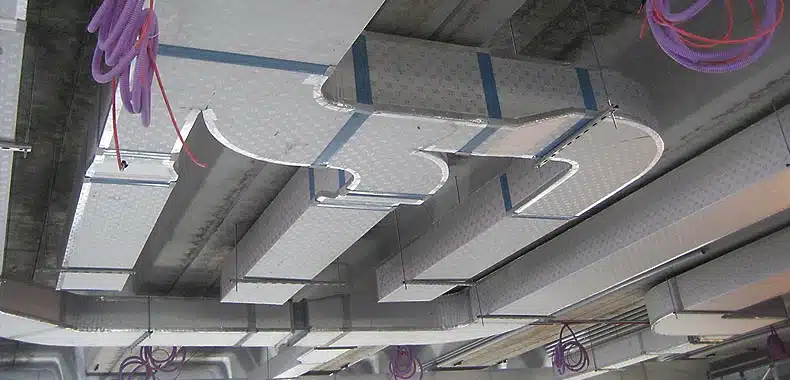

Efficient heating, ventilation, and air conditioning (HVAC) systems are crucial in commercial buildings to ensure comfort, energy efficiency, and operational performance. One of the key components that can significantly enhance HVAC systems is pre-insulated ductwork. These ducts come with insulation already integrated into their panels, providing thermal efficiency, reduced installation time, and minimal maintenance requirements compared to traditional duct systems.
Commercial buildings, such as offices, hospitals, hotels, and shopping centers, have unique HVAC requirements due to their size, occupancy levels, and energy consumption. A high-quality Pre Insulated Ductwork system ensures consistent air distribution, temperature control, and noise reduction while helping building owners meet energy and sustainability standards. By incorporating pre-insulated ducts, commercial facilities can optimize system performance and reduce long-term operational costs.
Energy Efficiency in Large Spaces
One of the primary applications of pre-insulated ductwork in commercial buildings is improving energy efficiency. These ducts minimize thermal losses during air transport, ensuring that heated or cooled air reaches the desired spaces without significant temperature drop. Unlike traditional ducts, where insulation is added separately, pre-insulated panels provide uniform coverage and reduce gaps that can cause energy waste.
For large commercial buildings, energy efficiency is critical not only for reducing utility costs but also for meeting building codes and sustainability targets. Efficient duct systems lower the load on HVAC units, prolong their lifespan, and contribute to an environmentally responsible building design.
Rapid Installation and Labor Savings
Pre-insulated ductwork simplifies the installation process, which is particularly beneficial in commercial settings with tight construction schedules. Because the insulation is already integrated into the duct panels, installers can assemble the ductwork more quickly and with fewer errors. This reduces both labor costs and project timelines.
Additionally, the reduced complexity of installation minimizes the likelihood of insulation gaps or improper fitting, ensuring consistent performance throughout the building. Faster and more reliable installation is advantageous for commercial projects, where delays can be costly and disruptive.
Noise Reduction in Occupied Spaces
Noise control is a critical consideration in commercial buildings. HVAC systems can generate significant sound through airflow turbulence and mechanical equipment. Pre-insulated ducts contain integrated insulation that dampens noise, creating a quieter indoor environment for occupants.
This feature is particularly valuable in spaces like offices, hospitals, schools, and hotels, where excessive noise can affect productivity, comfort, and wellbeing. Pre-insulated ductwork contributes to improved acoustic performance and enhances the overall experience for building users.
Improved Indoor Air Quality
Maintaining high indoor air quality is essential in commercial buildings to support occupant health and comfort. Pre-insulated ductwork helps prevent condensation, which can lead to moisture accumulation and mold growth within duct systems. The insulation maintains surface temperatures above the dew point, reducing the risk of microbial contamination.
By preventing moisture-related issues, pre-insulated ducts contribute to a healthier indoor environment. This is especially important in buildings like hospitals and schools, where air quality directly impacts the safety and wellbeing of occupants.
Flexibility in Design and Space Utilization
Pre-insulated duct panels are available in various sizes and shapes, allowing engineers and architects to design HVAC layouts that maximize space efficiency. Their compact construction reduces the need for additional insulation layers, making it easier to fit ducts in tight ceilings, walls, and mechanical rooms.
The design flexibility of pre-insulated ductwork enables more efficient airflow management and seamless integration with other building systems. This adaptability is particularly valuable in commercial projects with complex layouts or multi-story configurations.
Long-Term Durability and Low Maintenance
Durability is another important application benefit of pre-insulated ductwork. These ducts are typically constructed from high-quality materials that resist corrosion, wear, and mechanical damage. The integrated insulation is protected by the outer duct material, ensuring long-term thermal performance without frequent maintenance.
Low-maintenance ductwork reduces operational disruptions and allows facility managers to focus on other building systems. The durability of pre-insulated ducts ensures consistent HVAC performance and minimizes costs associated with repairs and replacements.
Sustainability and Environmental Compliance
Commercial buildings are increasingly expected to meet sustainability and energy efficiency standards. Pre-insulated ductwork supports these goals by reducing energy consumption, lowering greenhouse gas emissions, and minimizing material waste during installation.
By incorporating pre-insulated ducts, building owners can achieve certifications such as LEED or BREEAM and demonstrate their commitment to environmentally responsible construction practices.
Conclusion
Pre-insulated ductwork offers a wide range of applications in commercial buildings, including energy efficiency, rapid installation, noise reduction, improved indoor air quality, design flexibility, durability, and sustainability. These ducts provide consistent thermal performance, reduce maintenance needs, and contribute to optimized HVAC operation.
Investing in high-quality pre-insulated ductwork ensures that commercial buildings can deliver comfort, efficiency, and reliability to occupants while minimizing long-term operational costs. For modern commercial facilities, these advanced ducts are a practical and effective solution for high-performance HVAC systems.