
Thermal printers are widely used in modern businesses because they offer a fast, reliable, and cost-effective way to produce printed information. From retail receipts and shipping labels to product barcodes and medical records, these printers support many everyday operations. Unlike traditional inkjet and laser printers, thermal printers use heat to create images or text on specially designed paper or through a heat-transfer process. This technology reduces the need for conventional ink and toner, making printing simpler and more efficient.
Understanding how thermal printers work can help businesses choose the right printing equipment for their operational requirements. Whether used in retail stores, warehouses, healthcare facilities, or logistics centers, thermal printing technology provides practical solutions for different printing needs. Businesses exploring modern printing solutions can learn more about the technology and available equipment through Thermal Printer resources.
What Is a Thermal Printer?
A thermal printer is a printing device that uses heat to transfer text, images, barcodes, and other information onto paper or compatible materials. It relies on a thermal printhead containing numerous small heating elements that activate specific areas of the printing surface. Depending on the printing method, the heat either creates an image directly on heat-sensitive paper or transfers ink from a ribbon onto a label or other material.
Thermal printers are particularly popular in commercial environments because they generally operate quietly, require relatively little maintenance, and can produce clear printed results quickly. They are available in different sizes and configurations, including compact desktop models, portable devices, and industrial printing systems.
How Does Thermal Printing Technology Work?
Thermal printing technology works by controlling the application of heat to create printed content. The printer receives digital information from a connected computer, point-of-sale system, mobile device, or other compatible equipment. Its internal controller processes the information and determines which heating elements should activate.
The thermal printhead then applies heat to selected areas of the printing medium. This process creates the required text, graphics, or barcode patterns.
The exact printing process depends on the type of thermal printer being used.
1. Direct Thermal Printing
Direct thermal printing uses specially coated paper that reacts to heat. When the thermal printhead heats particular areas of the paper, the coating changes color and produces the required text or image.
This method does not require ink, toner, or a thermal transfer ribbon. It is commonly used for temporary labels, receipts, tickets, and shipping documents.
However, direct thermal prints can gradually fade when exposed to excessive heat, sunlight, or certain environmental conditions. Therefore, they are generally more suitable for applications where long-term print durability is not essential.
2. Thermal Transfer Printing
Thermal transfer printing uses a ribbon coated with specialized ink, usually made from wax, resin, or a combination of both. During printing, the thermal printhead heats selected sections of the ribbon, causing the ink to transfer onto the label or other printing material.
This method can produce durable images that resist fading, moisture, abrasion, and certain chemicals, depending on the ribbon and label combination.
Thermal transfer printers are commonly used for product identification, warehouse labeling, industrial tracking, and asset management where printed information needs to remain readable for extended periods.
Main Components of a Thermal Printer
Several internal components work together to ensure accurate and consistent printing.
Thermal Printhead
The thermal printhead is the central component responsible for generating heat. It contains multiple heating elements that activate according to the digital information received by the printer.
Printhead quality and resolution influence the clarity of text, graphics, and barcodes.
Platen Roller
The platen roller moves the paper or label through the printing mechanism while maintaining contact with the printhead. Proper roller performance helps ensure consistent material movement and accurate printing.
Controller Board
The controller board processes incoming printing commands and coordinates the operation of different printer components. It also manages communication between the printer and connected devices.
Sensors
Thermal printers may include paper detection, gap detection, black-mark detection, and cover-open sensors. These components help identify printing materials, maintain proper positioning, and reduce operational errors.
Ribbon Mechanism
Thermal transfer printers include a ribbon supply and take-up mechanism. These components maintain appropriate ribbon tension and ensure smooth ink transfer during printing.
Common Types of Thermal Printers
Thermal printers are available in several configurations to support different business requirements.
Desktop Thermal Printers
<image-placeholder></image-placeholder>
Desktop thermal printers are compact devices designed for everyday printing in small and medium-sized businesses. They are commonly used in retail stores, offices, small warehouses, and e-commerce operations.
Their smaller footprint makes them suitable for workspaces where installation space is limited.
Industrial Thermal Printers
Industrial thermal printers are designed for demanding environments with high-volume printing requirements. They typically feature durable construction, larger media capacities, and components suitable for extended operation.
Manufacturing facilities, distribution centers, and logistics companies often use these printers for continuous label production.
Mobile Thermal Printers
Mobile thermal printers are lightweight devices designed for portable printing. They often include rechargeable batteries and wireless connectivity, allowing employees to print receipts or labels while moving between locations.
They are useful for delivery services, field operations, inventory management, and mobile retail applications.
POS Thermal Printers
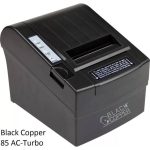
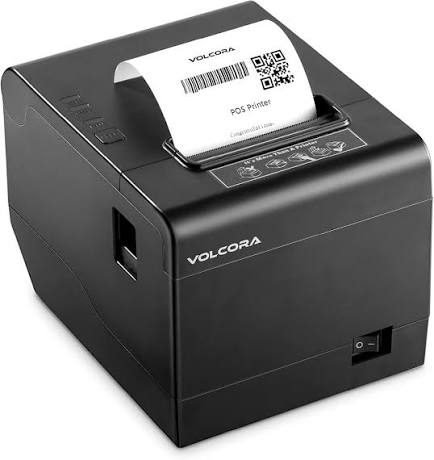
Point-of-sale thermal printers are commonly installed at checkout counters to produce customer receipts. They are designed for quick printing and can connect with cash registers, computers, and POS terminals.
Their quiet operation and compact design make them practical for busy retail and hospitality environments.
Major Applications of Thermal Printers
Thermal printing technology supports a wide range of industries because it can produce readable information quickly and efficiently.
1. Retail and Point-of-Sale Systems
Retail businesses use thermal printers to generate transaction receipts, payment records, and order information. Fast printing helps reduce customer waiting times during busy shopping periods.
Some retail environments also use thermal label printers to produce price tags, shelf labels, and product identification stickers.
2. Shipping and Logistics
Shipping companies and e-commerce businesses depend on thermal printers to generate shipping labels, tracking barcodes, and package identification information.
Clear labels help workers scan parcels, identify destinations, and organize shipments throughout the delivery process.
3. Warehousing and Inventory Management
Warehouses use thermal printers to create barcode labels for shelves, storage bins, cartons, and individual products.
These labels support inventory tracking and make it easier for employees to identify items during receiving, storage, picking, and dispatch operations.
4. Healthcare Facilities
Hospitals, laboratories, and pharmacies use thermal printing systems for patient identification wristbands, specimen labels, prescription labels, and other documentation.
Accurate printing helps healthcare workers identify records and organize medical materials. Appropriate printer and label selection is particularly important where labels must remain readable under specific storage or handling conditions.
5. Manufacturing and Production
Manufacturers use thermal printers to produce product identification labels, serial numbers, component tracking labels, and packaging information.
These applications help maintain traceability throughout production and distribution processes.
6. Hospitality and Food Services
Restaurants, cafes, and hotels use thermal printers for customer receipts, kitchen order tickets, and takeaway order labels.
Their ability to produce information quickly helps staff manage orders and coordinate daily operations.
Advantages of Using Thermal Printers
Thermal printers offer several benefits compared with conventional printing technologies.
Fast Printing Performance
Thermal printers can produce receipts and labels quickly, making them useful in environments where printing speed affects productivity. This is particularly valuable at retail checkout counters and busy shipping stations.
Reduced Consumable Requirements
Direct thermal printers do not require ink cartridges or toner. Thermal transfer models use ribbons instead of conventional ink cartridges, providing an alternative approach to managing printing supplies.
Low Noise Operation
Because thermal printers have fewer moving components than many conventional printers, they generally operate with relatively little noise. This makes them suitable for offices, retail counters, and other customer-facing environments.
Compact and Flexible Designs
Many thermal printers feature space-saving designs, while industrial and mobile models support specialized operational requirements. Businesses can select equipment according to available workspace and printing volume.
Clear Text and Barcode Printing
Thermal printing can produce sharp text, detailed graphics, and readable barcodes when the printer resolution and printing materials are appropriate.
This is particularly important for applications involving product identification and automated scanning.
Factors to Consider When Choosing a Thermal Printer
Selecting suitable printing equipment requires an understanding of business operations, printing materials, and expected workloads.
Printing Volume: Businesses should estimate their daily printing requirements. Desktop models may be sufficient for occasional printing, while industrial models are more appropriate for continuous, high-volume operations.
Printing Method: Direct thermal printing is useful for short-term labels and receipts, whereas thermal transfer printing is generally preferable when longer-lasting labels are required.
Print Resolution: Resolution affects the clarity of small text, detailed graphics, and compact barcodes. Businesses should select an appropriate resolution based on their label dimensions and scanning requirements.
Connectivity Options: USB, Ethernet, Bluetooth, and Wi-Fi connectivity can influence how easily a printer integrates with existing computers, mobile devices, and business systems.
Media Compatibility: The printer should support the required paper widths, label sizes, material types, and roll capacities.
Maintenance Requirements: Businesses should consider printhead cleaning, platen roller maintenance, replacement components, and the availability of technical support.
Thermal Printer Maintenance and Care
Regular maintenance helps preserve print quality and extend equipment lifespan. Although thermal printers generally require fewer consumables than traditional printers, their internal components still need appropriate care.
First, users should clean the thermal printhead according to the manufacturer’s instructions. Dust, adhesive residue, and other contaminants can affect print quality and cause uneven printing.
Second, the platen roller should be inspected regularly. Dirt or wear on the roller may cause inconsistent media movement, printing gaps, or alignment problems.
Third, users should select compatible paper, labels, and ribbons. Low-quality or unsuitable materials can increase wear on the printhead and reduce the clarity of printed information.
Finally, printers should be installed in suitable environments. Excessive dust, humidity, and extreme temperatures can affect equipment performance.
The Future of Thermal Printing Technology
Thermal printing continues to develop as businesses adopt more connected and automated operating systems. Improvements in printhead design, processing capabilities, connectivity, and energy efficiency are helping manufacturers develop more versatile printing equipment.
Wireless printing and mobile device integration are becoming increasingly important for businesses that need flexible workflows. Cloud-based management systems can also support centralized printer monitoring and simplify device administration across multiple locations.
Another important development is the growing demand for sustainable printing practices. Businesses are exploring recyclable label materials, reduced packaging waste, and more efficient printing processes to support environmental objectives.
As supply chains become more digitally connected, thermal printers are expected to remain important tools for product identification, inventory tracking, retail transactions, and logistics management.
Conclusion
Thermal printers provide a practical printing solution for businesses that require fast, clear, and reliable output. Their ability to produce receipts, shipping labels, barcodes, and product identification information makes them valuable across retail, healthcare, manufacturing, logistics, and hospitality industries.
Understanding the differences between direct thermal and thermal transfer printing helps businesses select suitable equipment for their specific applications. By considering printing volume, resolution, connectivity, media compatibility, and maintenance requirements, organizations can make informed purchasing decisions and improve their daily workflows.