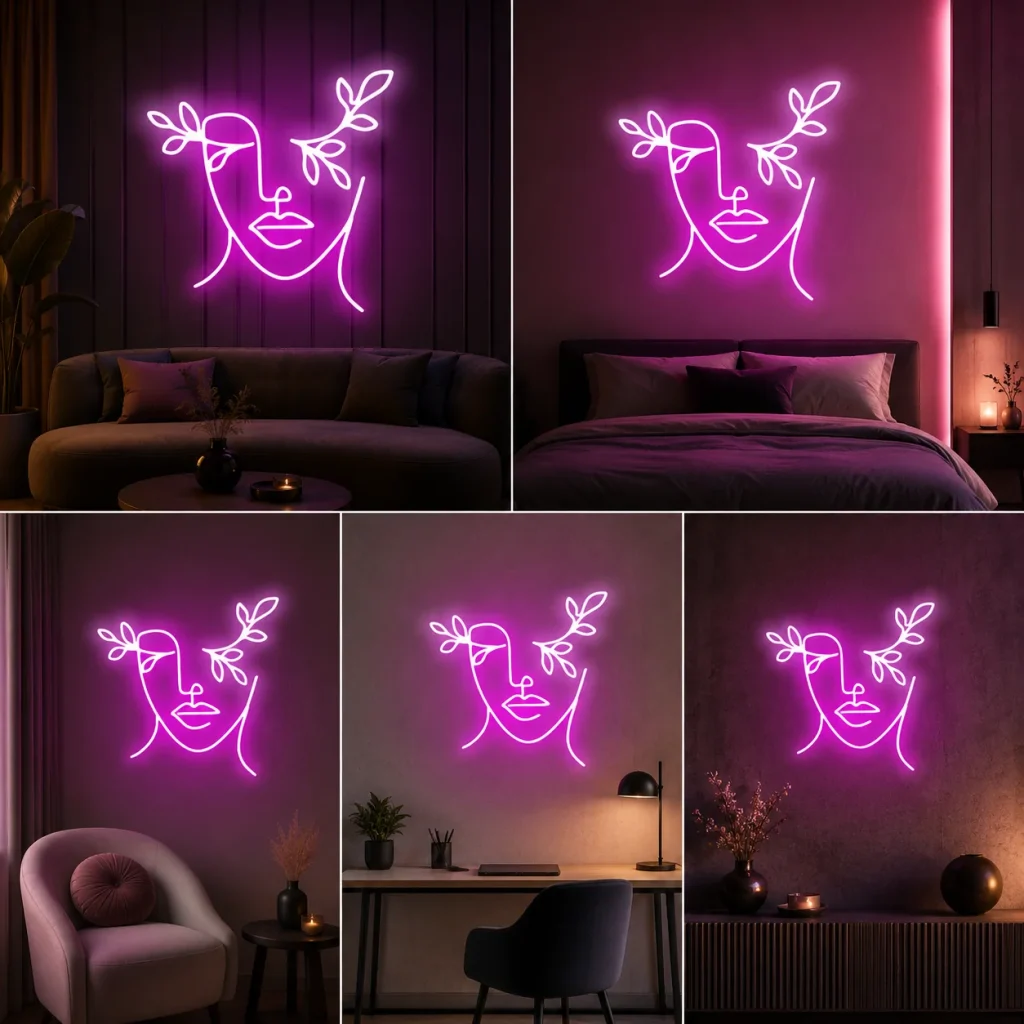

Custom neon signage has become an effective way for businesses to improve visibility, strengthen brand identity, and create memorable customer experiences. From retail stores and restaurants to offices and entertainment venues, well-designed neon signs can make a business stand out in competitive environments. However, choosing the right manufacturer is essential to achieving a sign that meets your expectations in terms of quality, appearance, and durability.
Finding a reliable Neon Sign Manufacturer involves more than comparing prices or browsing design options. Businesses should consider several important factors, including manufacturing experience, material quality, customization capabilities, production standards, and customer support. Making an informed decision can help ensure that the finished signage reflects your brand and provides long-term value.
Understand Your Business Signage Requirements
Before contacting manufacturers, determine what you want your custom neon sign to accomplish. Some businesses need illuminated logos for storefronts, while others require decorative signs for interior spaces, reception areas, exhibitions, or promotional displays.
Start by identifying the sign’s purpose, location, approximate dimensions, preferred colors, and design style. These details will help manufacturers understand your expectations and recommend suitable solutions.
It is also important to consider whether the sign will be installed indoors or outdoors. Outdoor signage generally requires materials and construction methods that can withstand environmental conditions such as moisture, temperature changes, and sunlight.
Evaluate the Manufacturer’s Experience and Expertise
Experience is an important consideration when selecting a neon sign supplier. Manufacturers with established industry knowledge are generally better equipped to handle different design requirements, production challenges, and technical specifications.
Review the company’s background, product portfolio, and previous projects. Look for examples of custom business signage that demonstrate consistent workmanship and attention to detail.
A manufacturer with experience in different industries may also provide useful design suggestions based on the intended application. This can be particularly valuable when creating signage that needs to balance visual appeal with practical requirements.
Check the Quality of Materials and Manufacturing
Material quality directly affects the appearance, performance, and lifespan of a neon sign. Before placing an order, ask about the materials used in production and the processes followed during manufacturing.
For LED neon signs, important components include LED strips, protective silicone or PVC materials, backing boards, electrical components, and mounting accessories. The quality of these elements can influence brightness, color consistency, energy consumption, and overall reliability.
Consider the following factors when evaluating product quality:
- Lighting consistency: The illumination should be even, without noticeable dark spots or irregular brightness.
- Material durability: Protective materials should be suitable for the sign’s intended environment.
- Electrical safety: Wiring, power supplies, and connections should meet applicable safety standards.
- Construction quality: Edges, joints, and mounting components should be properly finished.
- Color accuracy: The finished product should closely match the approved design.
Requesting product specifications and clear photographs of completed projects can help you assess whether a manufacturer meets your quality expectations.
Explore Customization Options
Custom signage should represent your business rather than simply follow a standard design. A capable manufacturer should offer flexibility in dimensions, fonts, colors, shapes, layouts, and mounting arrangements.
For businesses with specific branding guidelines, color matching and logo reproduction are particularly important. Ask whether the manufacturer can work from existing artwork, vector files, or design references.
It is also worth discussing different customization possibilities, such as:
- Custom business names and brand logos
- Decorative shapes and symbols
- Different lighting colors and effects
- Multiple font and lettering styles
- Indoor and outdoor installation designs
- Various backing materials and mounting options
Before production begins, request a digital mockup or design proof. Reviewing the proposed layout helps identify mistakes and confirm that the final product will match your expectations.
Compare Pricing Without Compromising Quality
Price is an important part of the purchasing decision, but selecting the cheapest option does not always provide the best value. Significant price differences may reflect variations in materials, manufacturing methods, customization, quality control, or included accessories.
Ask manufacturers for detailed quotations that explain what is included in the total cost. The quotation should ideally cover the sign itself, power supply, mounting hardware, packaging, shipping, and any additional services.
When comparing offers, consider the following:
- Whether the quoted materials meet your quality requirements.
- Whether customization and design revisions are included.
- Whether the manufacturer provides a warranty.
- Whether shipping and packaging costs are clearly explained.
- Whether additional charges may apply after order confirmation.
A transparent quotation makes it easier to compare suppliers and avoid unexpected expenses.
Review Production Time and Delivery Capabilities
Production schedules are especially important for businesses preparing for grand openings, promotional campaigns, exhibitions, or store renovations.
Ask about the estimated manufacturing time, order processing procedures, and shipping arrangements before confirming your purchase. Custom designs may require additional time for artwork approval, material preparation, and production.
If you are ordering from an overseas manufacturer, pay attention to international shipping methods, packaging protection, customs requirements, and estimated delivery times.
A dependable supplier should communicate realistic timelines and provide updates if unexpected production or shipping delays occur.
Examine Customer Reviews and Previous Projects
Customer feedback can provide valuable insight into a manufacturer’s reliability and service quality. Look for reviews on independent platforms, business directories, and other credible sources.
Pay attention to repeated comments about product quality, communication, delivery performance, and how the company handles problems.
Do not rely exclusively on testimonials published on a manufacturer’s website. Where possible, examine independent feedback and request references or examples of completed commercial projects.
A strong portfolio supported by consistent customer experiences can help you make a more confident decision.
Ask About Warranty and After-Sales Support
Even a well-manufactured sign may occasionally require maintenance or technical assistance. For this reason, warranty coverage and after-sales support should be part of your evaluation.
Ask what the warranty covers, how long it remains valid, and whether it includes LED components, power supplies, or manufacturing defects. Clarify whether replacement parts are available and how technical issues are handled.
You should also understand the installation requirements. Some signs are designed for straightforward mounting, while larger or more complex installations may require professional assistance.
Clear support arrangements can reduce potential complications after the signage has been delivered and installed.
Consider Energy Efficiency and Maintenance
LED neon signage is widely used in commercial environments because it generally consumes less electricity than traditional glass neon lighting. It also offers flexibility in design and does not require the same high-voltage operating conditions associated with conventional neon systems.
However, energy efficiency depends on factors such as LED quality, power supply performance, operating hours, and sign dimensions.
Ask the manufacturer about expected power consumption and recommended maintenance procedures. Regular cleaning, appropriate installation, and proper electrical connections can help maintain the sign’s appearance and performance over time.
For outdoor applications, confirm that the product has an appropriate protection rating for the installation environment.
Communication and Customer Service Matter
A manufacturer’s communication process can reveal a great deal about its professionalism. From the initial inquiry to final delivery, the company should provide clear answers and explain technical details without unnecessary confusion.
Evaluate how quickly the supplier responds, whether it understands your requirements, and whether it offers practical recommendations when necessary.
A professional manufacturer should be willing to clarify specifications, discuss design adjustments, provide production updates, and address concerns throughout the ordering process.
Good communication is especially important for customized projects because small misunderstandings can result in costly design or production mistakes.
Common Mistakes to Avoid When Choosing a Neon Sign Manufacturer
Businesses sometimes make purchasing decisions based primarily on appearance or initial cost. While these factors matter, overlooking other considerations can create problems later.
Avoid these common mistakes:
- Choosing a supplier without checking previous work or customer feedback.
- Ignoring material specifications and electrical safety requirements.
- Approving production without reviewing the final design proof.
- Failing to confirm warranty terms and after-sales support.
- Overlooking shipping costs and delivery schedules.
- Selecting indoor-rated products for outdoor applications.
- Focusing on the lowest quotation rather than overall value.
Taking time to review these details can help prevent unnecessary expenses and ensure a smoother purchasing experience.
Final Thoughts
Choosing the best neon sign manufacturer requires careful consideration of product quality, customization options, pricing, production capabilities, and customer service. A suitable supplier should understand your branding requirements and provide signage that meets your functional and visual expectations.
Before making a final decision, compare multiple manufacturers, review their previous projects, request detailed quotations, and confirm warranty and delivery arrangements. These steps will help you identify a reliable production partner and invest in custom business signage that supports your brand’s visibility for years to come.