
Commercial nursery businesses need dependable plant supplies, efficient production systems, and a product range that meets changing customer demand. As the horticulture market becomes more competitive, growers are looking for sourcing methods that help them manage inventory, maintain plant quality, and expand their operations without placing unnecessary pressure on resources.
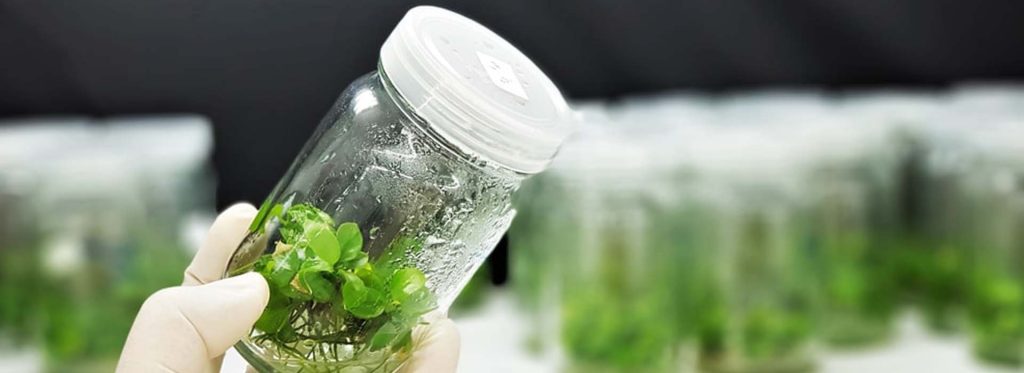
Tissue Culture Plants Wholesale offers commercial nurseries an approach to sourcing young plants in planned quantities. By purchasing tissue culture plants from suitable suppliers, businesses can introduce new varieties, organize growing schedules, and develop a more consistent supply for garden centers, retailers, landscapers, and other wholesale customers.
1. Providing a Consistent Supply of Young Plants
A reliable supply of young plants is essential for maintaining commercial nursery operations. When production depends entirely on seasonal propagation or limited in-house stock plants, availability may fluctuate and make it difficult to fulfill customer orders on time.
Wholesale tissue culture sourcing gives nurseries another option for planning incoming plant material. Businesses can coordinate orders with their production schedules and arrange growing space before shipments arrive.
This can help nurseries:
- Maintain planned production volumes.
- Prepare for seasonal sales periods.
- Reduce dependence on limited propagation stock.
- Introduce additional plant varieties.
- Coordinate inventory with customer orders.
The actual benefits depend on supplier capacity, delivery schedules, and the nursery’s ability to manage incoming plants.
2. Supporting Product Variety and Market Expansion
Commercial nurseries often serve customers with different preferences and requirements. Garden centers may need popular indoor foliage plants, while specialist retailers may look for unusual tropical varieties that attract collectors.
Tissue culture propagation can support access to a broad selection of ornamental plants. Depending on supplier availability, nurseries may source varieties such as Monstera, Philodendron, Alocasia, Anthurium, and other tropical foliage plants.
A wider product selection creates opportunities to reach different customer segments. It also allows businesses to test new varieties in manageable quantities before deciding whether to add them permanently to their catalogs.
Rather than expanding the range without a clear plan, nurseries should review local demand, growing requirements, and expected selling prices before selecting new products.
3. Improving Inventory and Production Planning
Inventory management affects nearly every part of a commercial nursery. Excess stock can occupy valuable greenhouse space and increase maintenance expenses, while insufficient stock may result in missed sales.
Wholesale tissue culture plants can be incorporated into structured inventory planning. Once an order is confirmed, growers can prepare suitable space, growing media, containers, and labor for the expected delivery.
A practical planning process should include:
- Reviewing current stock and customer demand.
- Estimating the number of plants needed for each variety.
- Confirming supplier availability and delivery schedules.
- Allocating greenhouse space for incoming batches.
- Estimating acclimatization and growing periods.
- Scheduling plants for sale or further distribution.
These steps help nurseries connect purchasing decisions with actual production capacity.
4. Making Better Use of Greenhouse Space
Greenhouse space is a valuable resource, particularly for nurseries operating in areas where land, heating, cooling, or labor costs are high.
Tissue culture plants are generally supplied as young plant material that requires further development before reaching commercial sale size. This gives nurseries an opportunity to organize different production stages according to plant size and growing requirements.
For example, a nursery may establish separate areas for newly received plants, acclimatizing material, actively growing plants, and finished inventory. Organizing these stages can make monitoring and daily maintenance more efficient.
However, tissue culture plants should not be treated as ready-to-sell products immediately after arrival. Their space requirements and development timelines need to be included in the nursery’s production plan.
5. Supporting Plant Quality Management
Plant quality is central to customer satisfaction and repeat business. Commercial buyers generally expect healthy, properly established plants that meet agreed specifications.
Tissue culture plants require careful handling because they are transitioning from controlled laboratory conditions to a greenhouse or nursery environment. During acclimatization, humidity, light, temperature, airflow, and moisture need to be managed appropriately.
Nurseries can improve quality control by establishing clear procedures:
- Inspect shipments upon arrival.
- Check plants for visible damage and signs of contamination.
- Separate unsuitable material from healthy batches.
- Introduce plants gradually to greenhouse conditions.
- Monitor root development and new growth.
- Record losses and growth performance by batch.
Consistent records make it easier to identify recurring problems and improve handling practices over time.
6. Creating Opportunities for Business Growth
As nurseries develop, they may want to increase production, enter new markets, or serve larger wholesale customers. A dependable sourcing strategy can help support these changes.
Tissue culture sourcing may allow a business to explore varieties that would be difficult or time-consuming to propagate in sufficient quantities using its existing facilities. It can also complement in-house propagation rather than replacing it entirely.
For growing businesses, a gradual expansion strategy is often more practical than immediately increasing order volumes. Nurseries can begin with selected varieties, evaluate their performance, and use sales data to guide future purchases.
This approach helps connect business growth with available labor, greenhouse capacity, and actual customer demand.
7. Helping Nurseries Manage Purchasing Costs
The cost of sourcing plants involves more than the supplier’s quoted price. Transportation, packaging, import documentation, customs procedures, growing supplies, labor, and plant losses can all influence the final cost per saleable plant.
Before placing a wholesale order, commercial nurseries should evaluate the complete purchasing process.
Important considerations include:
- Minimum order quantities and available batch sizes
- Plant condition and specifications at dispatch
- Packaging and transportation arrangements
- Expected delivery times
- Import regulations and required documentation
- Supplier communication and after-delivery support
Comparing these factors helps businesses make purchasing decisions based on overall operational value rather than price alone.
8. Strengthening Supplier Relationships
Long-term supplier relationships can make commercial nursery operations easier to coordinate. When suppliers understand a nursery’s preferred varieties, order volumes, and delivery expectations, future purchasing discussions can become more efficient.
Nurseries should communicate their requirements clearly and maintain records of previous orders. Useful information includes delivery performance, plant condition, acclimatization results, and the percentage of plants that reach saleable quality.
Regular evaluation also helps businesses determine whether a supplier can support future expansion. A supplier that offers suitable varieties and communicates reliably may become an important part of the nursery’s long-term sourcing strategy.
9. Preparing for Different Wholesale Customer Needs
Commercial nurseries rarely sell to just one type of customer. Their buyers may include garden centers, independent plant shops, landscape contractors, online retailers, and other growers.
Each customer group may have different expectations regarding plant size, variety selection, quantity, packaging, and delivery schedules.
Nurseries can serve these markets more effectively by organizing inventory according to customer requirements. For example, popular foliage varieties may be grown in larger quantities, while specialist plants can be maintained in smaller batches to test demand.
Clear product descriptions, consistent grading, and accurate availability information also help wholesale customers make purchasing decisions with confidence.
Conclusion
Tissue culture plants wholesale can support commercial nursery businesses through more flexible sourcing, broader product selection, organized inventory planning, and opportunities for gradual expansion. These advantages are most useful when purchasing decisions are connected to realistic production schedules and effective plant care practices.
By evaluating suppliers carefully, preparing suitable acclimatization facilities, and monitoring plant performance, commercial nurseries can incorporate tissue culture sourcing into a more organized and adaptable business strategy.