
Businesses across retail, hospitality, manufacturing, logistics, and healthcare rely on accurate printing to support their daily activities. From generating customer receipts to preparing product labels and shipping documents, printing tasks are closely connected to operational efficiency. When printing equipment is slow, unreliable, or difficult to maintain, employees may spend valuable time resolving technical issues instead of completing essential business activities.
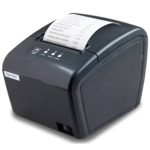
A Thermal Printer offers a practical printing solution by using heat to produce text, graphics, and barcodes on compatible materials. Its fast output, convenient operation, and integration capabilities make it useful for businesses that handle frequent printing tasks. When selected according to operational requirements, thermal printing technology can help improve workflows, reduce repetitive work, and support more productive business environments.
1. Faster Printing for Daily Business Operations
Printing speed directly affects productivity in workplaces where employees regularly generate receipts, labels, and transaction records. Traditional printing methods may require additional consumables and maintenance procedures that interrupt routine tasks.
Thermal printers are designed to produce printed output quickly, making them suitable for applications involving frequent transactions or labeling activities.
For example, retail employees can print customer receipts immediately after payment, while warehouse workers can generate product labels during receiving and packaging operations.
Faster printing helps businesses:
- Reduce waiting time during transactions
- Complete labeling tasks more efficiently
- Maintain smoother checkout operations
- Process orders without unnecessary printing delays
- Support higher workloads during busy periods
2. Reducing Routine Consumable Management
Direct thermal printers do not require conventional ink or toner cartridges. Instead, they use specially coated paper or labels that react to heat.
This reduces the number of consumable components employees need to monitor and replace during routine operations. Businesses can simplify supply management by focusing on compatible thermal media rather than maintaining ink and toner inventories for direct thermal applications.
However, thermal paper and labels remain ongoing expenses. Companies should consider media prices, consumption rates, and storage requirements when calculating total operating costs.
Thermal transfer printers have different requirements because they use ribbons alongside compatible label materials.
3. Improving Checkout Efficiency
Retail businesses process numerous customer transactions throughout the day. Delays at checkout can affect customer satisfaction and reduce the number of transactions employees can complete during busy periods.
Thermal receipt printers can integrate with compatible point-of-sale (POS) systems to produce transaction records automatically after payment processing.
This allows employees to focus on customer service rather than manually preparing receipts. Compact printer designs also help maintain organized checkout counters where several devices must operate together.
In supermarkets, convenience stores, restaurants, and specialty shops, reliable receipt printing supports a smoother payment process.
4. Supporting Faster Inventory Management
Inventory management requires accurate identification and tracking of products as they move through storage facilities and distribution channels.
Thermal printers help businesses produce labels containing product names, stock numbers, barcodes, batch references, and other identification details.
When connected to inventory management software, these labels support barcode-based workflows. Employees can scan product identifiers to retrieve information and record stock movements.
This approach can reduce repetitive manual data entry and help businesses maintain more consistent inventory records.
5. Streamlining Warehouse and Shipping Activities
Warehouses handle multiple activities, including receiving products, organizing storage locations, picking orders, packing shipments, and preparing dispatch documents.
Thermal printing technology supports these processes by producing labels that identify products, cartons, pallets, and shipping packages.
For example, an e-commerce fulfillment center can generate shipping labels directly from order management software. Employees can attach the labels to packages and use barcode scanners to record dispatch information.
This helps reduce manual paperwork and supports more organized order fulfillment.
6. Reducing Printing-Related Maintenance Interruptions
Frequent maintenance problems can reduce employee productivity, particularly when printing equipment is essential to daily operations.
Direct thermal printers generally have fewer consumable components than conventional ink-based printers used for similar receipt-printing tasks. Employees do not need to replace ink cartridges or manage toner levels during normal operation.
Routine maintenance usually involves cleaning the printhead, inspecting the paper path, checking rollers, and replacing compatible paper rolls.
Although thermal printers still require proper care, their straightforward operating structure can make everyday maintenance easier to manage.
7. Supporting Multiple Business Applications
One reason thermal printing is useful across different industries is its flexibility. Businesses can select different printer configurations according to their specific requirements.
Common applications include:
Retail: Printing customer receipts, price labels, and product identification tags.
Restaurants: Producing kitchen order tickets, payment receipts, and other transaction records.
Warehousing: Generating barcode labels, shelf identifiers, and inventory tags.
Logistics: Printing shipping labels and package tracking information.
Healthcare: Producing patient identification labels and other supported documentation.
Manufacturing: Creating product labels, batch identifiers, and equipment tracking tags.
This versatility allows businesses to use thermal printing technology in several departments rather than relying on a single printing application.
8. Improving Employee Workflow Organization
Employees often perform multiple tasks during a typical workday. Complicated printing procedures can interrupt these activities and create unnecessary administrative work.
Thermal printers can simplify workflows when integrated with business software and established operating procedures.
For example, a warehouse employee can generate a barcode label directly from inventory software instead of manually preparing and writing product information. Similarly, a retail cashier can print transaction details automatically through a POS system.
Standardized printing processes help employees follow consistent procedures and reduce the time spent preparing routine documents.
9. Enabling Mobile and Flexible Workflows
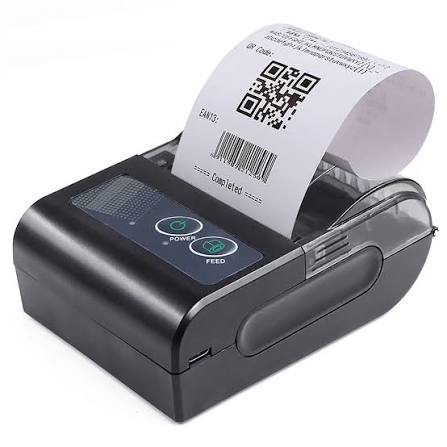
Modern businesses increasingly use mobile devices to manage transactions, inventory, and customer services. Some thermal printers support Bluetooth or Wi-Fi connectivity, allowing compatible smartphones, tablets, and mobile POS terminals to send print jobs.
This flexibility is useful in environments where employees do not work from fixed desks or checkout counters.
Examples include:
- Restaurants printing orders near service areas
- Market vendors processing mobile transactions
- Warehouse employees printing labels near storage locations
- Delivery teams producing documentation in the field
- Temporary retail counters supporting seasonal sales
Portable thermal printers can also help businesses complete printing tasks closer to the point of activity.
10. Supporting Clear and Consistent Business Records
Accurate documentation is important for managing transactions, inventory, shipments, and customer interactions. Thermal printers can produce consistent text, graphics, and supported barcode formats when configured correctly.
Printed receipts may contain product descriptions, transaction numbers, tax information, payment details, and return policies.
Warehouse labels can display product codes, batch references, and storage information. Shipping labels can include delivery addresses and tracking identifiers.
Consistent formatting makes information easier for employees and customers to understand. It also supports standardized documentation procedures across different departments.
11. Reducing Errors Through Barcode Integration
Manual data entry can create mistakes when employees repeatedly enter product codes, quantities, or tracking information. These errors may lead to incorrect stock records, shipment problems, or transaction discrepancies.
Thermal printers support barcode-based workflows by producing identifiers that can be scanned using compatible devices.
A typical process involves generating a barcode through business software, printing it on a label, and scanning it during a transaction or inventory activity.
This reduces the need to enter every identifier manually. However, barcode accuracy also depends on correct data, suitable print resolution, proper label formatting, and reliable scanning equipment.
12. Helping Businesses Manage Operating Costs
Productivity improvements are more valuable when businesses can achieve them without creating unnecessary expenses. Thermal printing can support cost management through efficient consumable use and convenient maintenance.
Direct thermal printing eliminates the need for ink or toner cartridges, while compatible printing systems can automate routine receipt and label production.
However, businesses should evaluate several cost factors:
- Initial printer purchase price
- Thermal paper and label expenses
- Ribbon costs for thermal transfer models
- Printhead and cutter replacement
- Routine maintenance
- Equipment downtime
- Expected service life
A complete cost assessment helps determine whether a printer provides suitable long-term value for the intended workload.
13. Supporting Better Customer Service
Printing equipment may operate behind the scenes, but its performance can influence customer experiences.
In retail environments, fast receipt production helps complete checkout transactions efficiently. In restaurants, reliable order-ticket printing helps communicate customer requests to kitchen staff. In logistics, accurate shipping labels support package identification and delivery processes.
When printing systems work consistently, employees can spend more time addressing customer needs instead of resolving equipment-related interruptions.
14. Choosing the Right Thermal Printer for Productivity
The productivity benefits of thermal printing depend on selecting equipment that matches the business’s actual requirements.
Before purchasing, companies should evaluate the following features:
- Printing speed: Choose a model that can handle expected daily and peak workloads.
- Print resolution: Ensure text and barcodes are sufficiently clear for their intended applications.
- Media compatibility: Confirm support for required paper widths, label dimensions, and materials.
- Connectivity: Check USB, Ethernet, Bluetooth, or Wi-Fi compatibility with existing devices.
- Software integration: Verify support for POS, inventory, shipping, or other business applications.
- Build quality: Consider the printer’s suitability for its working environment.
- Maintenance requirements: Review cleaning procedures and replacement component availability.
- Technical support: Check warranty coverage, documentation, and after-sales service.
Testing the equipment with actual business software and printing materials can help identify potential compatibility problems before deployment.
15. The Importance of Regular Maintenance
Even a well-designed thermal printer requires regular maintenance to preserve its performance. Dust, adhesive residue, incompatible media, and worn components can affect print quality and feeding accuracy.
Businesses should establish maintenance procedures that include:
- Cleaning the printhead according to manufacturer instructions
- Inspecting rollers and paper-feeding mechanisms
- Checking sensors for dust or residue
- Using compatible thermal paper and labels
- Inspecting cables and connections
- Updating supported drivers and firmware when necessary
Preventive maintenance helps identify minor problems before they interrupt important business activities.
Conclusion
Thermal printers help businesses improve productivity and efficiency by supporting fast printing, simplified consumable management, barcode-based workflows, and integration with compatible business software. Their applications extend across retail, hospitality, logistics, manufacturing, healthcare, and warehouse operations.
The greatest benefits come from choosing equipment that matches the intended printing tasks, daily workload, and existing technology infrastructure. Combined with appropriate media and regular maintenance, thermal printing can support organized workflows, reduce repetitive tasks, and help businesses manage everyday operations more effectively.