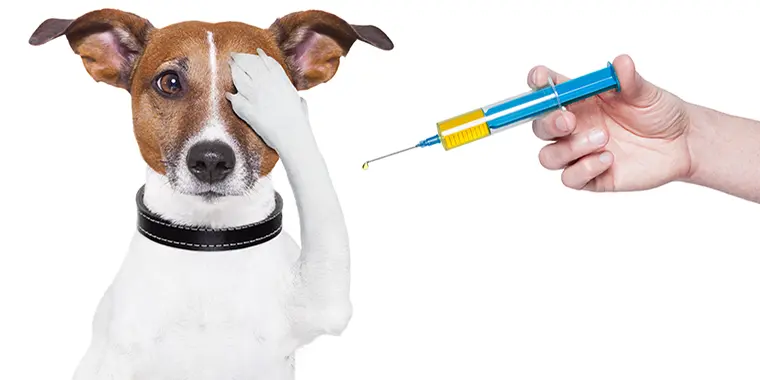

Vaccinating dogs is one of the most important responsibilities of pet ownership. Vaccines protect dogs from serious and often life-threatening diseases while also helping to prevent the spread of infections within the community. Whether you are a first-time dog owner or have years of experience, understanding vaccination schedules and essential shots is key to ensuring your pet lives a healthy and long life.
Dog vaccines work by stimulating the immune system to recognize and fight specific diseases without actually causing the illness. This prepares the body to respond quickly if the dog is ever exposed in the future. Core vaccines are recommended for all dogs, while non-core vaccines are given based on lifestyle, environment, and risk factors. Many pet owners looking for reliable information on Dog Vaccinations often discover that timely immunization is essential for both prevention and long-term wellness.
Essential Vaccines Every Dog Needs
There are several core vaccines that are considered essential for all dogs regardless of breed or lifestyle. These vaccines protect against highly contagious and dangerous diseases.
One of the most important vaccines is the rabies vaccine. Rabies is a fatal viral disease that can affect both animals and humans, making vaccination a legal requirement in many regions. Another essential vaccine is the distemper vaccine, which protects against a severe viral disease that affects the respiratory, gastrointestinal, and nervous systems.
Parvovirus vaccination is also critical, especially for puppies. Canine parvovirus is highly contagious and can be deadly if not treated early. Hepatitis and adenovirus vaccines are also commonly included in combination vaccines to protect liver and respiratory health.
Non-core vaccines may include protection against leptospirosis, kennel cough, and Lyme disease, depending on the dog’s environment and exposure risk. Dogs that frequently interact with other animals in parks, boarding facilities, or training centers may require additional protection.
Understanding the Vaccination Schedule
A proper vaccination schedule is crucial for building strong immunity in dogs, especially during puppyhood. Puppies typically begin their vaccination series at around 6 to 8 weeks of age. At this stage, maternal antibodies begin to decline, making vaccines necessary to build independent immunity.
The initial series of vaccines is usually given in multiple doses spaced a few weeks apart. Booster shots are administered to strengthen and maintain immunity. Adult dogs also require regular booster vaccinations, often annually or every three years depending on the vaccine type and veterinary recommendation.
Following a structured schedule ensures that dogs remain protected throughout their lives. Missing or delaying vaccines can leave gaps in immunity, increasing the risk of infection.
How Vaccines Protect Your Dog
Vaccines work by introducing a harmless form of a virus or bacteria into the dog’s body. This allows the immune system to recognize the pathogen and develop antibodies against it. If the dog is exposed to the real disease in the future, the immune system can respond quickly and effectively.
This preventive approach is far safer and more cost-effective than treating diseases after infection occurs. Many canine diseases can lead to severe complications, long-term health issues, or even death. Vaccination significantly reduces these risks and helps maintain overall well-being.
Vaccines also play an important role in controlling outbreaks of infectious diseases within dog populations. By ensuring widespread immunization, communities can reduce the spread of dangerous illnesses among pets.
Puppy Vaccination Importance
Puppies are especially vulnerable to diseases because their immune systems are still developing. Early vaccination provides critical protection during this sensitive stage of life. Without vaccines, puppies are at high risk of contracting infections from their environment, other animals, or even contaminated surfaces.
Maternal antibodies passed through the mother’s milk offer temporary protection, but this immunity fades over time. Vaccination ensures that puppies continue to stay protected as their natural immunity develops.
Regular veterinary visits during the puppy stage also help monitor growth, development, and overall health. Veterinarians can adjust vaccination schedules based on the puppy’s condition and lifestyle needs.
Side Effects and Safety of Vaccines
Vaccines are generally very safe for dogs, and serious side effects are rare. Most dogs may experience mild and temporary reactions such as slight swelling at the injection site, mild fever, or reduced appetite for a short period.
These symptoms typically resolve on their own within a day or two. Severe allergic reactions are extremely uncommon but can occur in rare cases. Veterinary professionals are trained to handle such situations immediately if they arise.
The benefits of vaccination far outweigh the risks, making it a highly recommended preventive measure for all dogs. Regular veterinary supervision ensures that vaccines are administered safely and effectively.
Importance of Regular Booster Shots
Booster shots are essential for maintaining long-term immunity. Over time, the protection provided by vaccines can weaken, making dogs vulnerable again. Boosters reinforce the immune system’s memory and ensure continued protection against diseases.
Skipping booster shots can leave gaps in immunity, especially for diseases that are still present in the environment. Veterinarians usually create personalized booster schedules based on the dog’s age, health status, and exposure risk.
Keeping vaccination records updated helps ensure that dogs receive timely boosters and remain protected throughout their lives.
Conclusion
Dog vaccinations are a fundamental part of responsible pet care. They protect dogs from serious diseases, support long-term health, and help prevent the spread of infections within communities. From essential core vaccines to lifestyle-based non-core vaccines, each plays an important role in maintaining immunity.
Following a proper vaccination schedule, starting from puppyhood and continuing through adulthood, ensures continuous protection. Combined with regular veterinary care, vaccinations give dogs the best chance at a healthy, active, and disease-free life.