
Dinosaur costumes are popular in live entertainment, educational programs, themed attractions, festivals, and special events. They allow performers to bring prehistoric creatures to life through recognizable shapes, expressive movements, and creative character designs. From realistic dinosaur suits used in interactive performances to colorful mascot costumes designed for children, each style offers different advantages depending on the event and audience.
Choosing the right costume involves more than selecting a favorite dinosaur species. Comfort, visibility, movement, materials, durability, and overall appearance all influence the performer’s experience and the audience’s response. Exploring the different options available, including a professionally designed Dino Costume, can help event organizers and entertainment businesses find a suitable style for their specific requirements.
Understanding the Different Types of Dino Costumes
Dinosaur costumes come in several styles, each developed for a particular type of performance or environment. Some prioritize realistic appearance, while others focus on comfort, mobility, or playful character design.
Realistic Dinosaur Costumes
Realistic dinosaur costumes are designed to resemble prehistoric animals through detailed sculpting, textured surfaces, and carefully developed proportions.
Common features include:
- Sculpted dinosaur heads and facial structures
- Detailed skin textures and scale patterns
- Natural-looking colors and surface finishes
- Distinctive claws, teeth, and other anatomical details
- Body shapes inspired by recognizable dinosaur species
These costumes are particularly suitable for museum programs, immersive attractions, themed entertainment, and professional performances where visual realism is important.
Dinosaur Mascot Costumes
Mascot-style dinosaur costumes generally use friendly expressions, exaggerated proportions, and bright colors to create approachable characters.
They are commonly used at children’s parties, shopping centers, promotional events, family festivals, and school celebrations.
Typical characteristics include:
- Large, expressive heads
- Rounded body shapes
- Bright or imaginative color combinations
- Comfortable costume interiors
- Designs that support friendly audience interaction
Mascot costumes are often less focused on scientific realism and more concerned with creating an entertaining character.
Inflatable Dinosaur Costumes
Inflatable dinosaur costumes use an air-supported structure to create an oversized dinosaur appearance. A small fan usually maintains the costume’s inflated shape during use.
These costumes are popular for casual entertainment, social events, promotional activities, and humorous performances.
Their advantages can include:
- Distinctive oversized silhouettes
- Lightweight construction
- Quick visual impact
- Playful character movement
- Convenient storage compared with some rigid designs
However, performers should consider airflow, battery operation, visibility, and the additional space required when moving.
Animatronic Dinosaur Costumes
Animatronic dinosaur costumes combine wearable costume elements with mechanical or electronic features. Depending on the design, these may include moving jaws, blinking eyes, or other animated details.
They can create more expressive performances by combining the performer’s movements with mechanical actions.
These designs are often more complex than standard costumes and may require additional training, maintenance, and technical support.
Comparing Dino Costume Styles for Different Applications
The best costume depends on the purpose of the event and the type of experience organizers want to provide.
| Costume style | Main advantage | Suitable applications |
|---|---|---|
| Realistic dinosaur costume | Detailed prehistoric appearance | Museums, themed attractions, live shows |
| Mascot dinosaur costume | Friendly and approachable character | Children’s events, promotions, festivals |
| Inflatable dinosaur costume | Oversized visual impact | Parties, casual entertainment, promotional events |
| Animatronic dinosaur costume | Mechanical movement and animated details | Professional performances, immersive attractions |
Understanding these differences helps buyers avoid selecting a costume that looks impressive but does not suit the intended performance.
Choosing the Right Dinosaur Species
The dinosaur species influences the costume’s appearance, proportions, and movement style. Each creature has distinctive features that can make it suitable for different entertainment themes.
Tyrannosaurus Rex
The Tyrannosaurus rex is one of the most recognizable dinosaurs. Its large head, powerful body, short forelimbs, and prominent teeth make it a popular choice for dramatic performances.
A T. rex costume can work well in prehistoric-themed shows, promotional events, and entertainment attractions.
Velociraptor-Inspired Designs
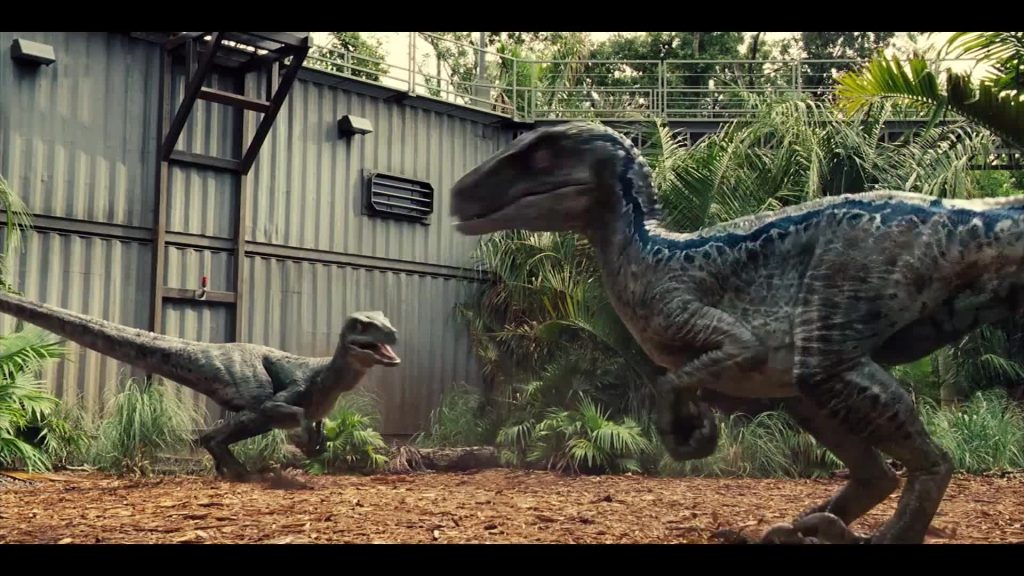
Raptor-inspired costumes often emphasize an agile body, elongated tail, narrow head, and clawed hands.
Their appearance can support fast-paced performances and interactive dinosaur characters. Designers should ensure that the costume allows enough flexibility for turning, walking, and expressive gestures.
Triceratops
Triceratops costumes are recognizable because of their three horns and large facial frill.
Their distinctive appearance makes them suitable for family entertainment, educational activities, and themed events.
Stegosaurus
The Stegosaurus is known for its prominent back plates and spiked tail. These features create a distinctive silhouette that can make the costume visually interesting.
Designers should pay attention to the size and placement of the plates to ensure they do not interfere with movement or surrounding objects.
Long-Necked Dinosaurs
Brachiosaurus-inspired costumes can create an impressive appearance through their elongated necks and large body proportions.
Because of their shape, these designs require careful consideration of balance, visibility, and performer movement.
Important Design Features of a High-Quality Dino Costume
A successful dinosaur costume should combine visual appeal with practical performance features.
Accurate Proportions and Sculpting
The shape of the head, body, legs, and tail determines how recognizable the dinosaur character appears.
Careful sculpting helps establish the intended species and gives the costume a consistent silhouette.
Designers should balance anatomical inspiration with the practical needs of the performer. Oversized or unusually positioned features may look impressive but can create difficulties during movement.
Realistic Surface Textures
Textures add depth and character to a dinosaur costume. Scales, wrinkles, skin folds, and raised details help create a more convincing exterior.
Different areas may require different surface treatments. For example, the face may feature finer details, while the body may use broader scale patterns.
Color and Finishing
Color selection helps communicate the dinosaur’s personality and visual style.
Realistic costumes often use layered earth tones, greens, browns, and subtle shading. Mascot costumes may use brighter colors to create a more playful appearance.
A well-finished costume should maintain a consistent look under different lighting conditions and in photographs.
Functional Head Design
The head is often the most visually important part of a dinosaur costume. It should have expressive features while allowing the performer to see and breathe comfortably.
Design considerations include:
- Practical viewing openings
- Adequate ventilation
- Secure internal support
- Comfortable weight distribution
- Suitable jaw movement, if included
- Easy access for wearing and removal
These features help make the costume more practical during extended performances.
Materials Used in Dino Costume Construction
The choice of materials influences the costume’s weight, flexibility, comfort, appearance, and durability.
Foam
Foam is frequently used to create lightweight sculpted shapes, including heads, facial details, and body sections.
It can be carved and shaped into different forms, making it useful for developing distinctive dinosaur proportions.
Fabric
Fabric is commonly used for costume coverings, flexible body sections, and internal comfort layers.
Stretchable materials can help performers move more naturally, particularly around the shoulders, arms, legs, and joints.
Latex and Silicone-Like Materials
Flexible exterior materials can reproduce skin-like textures, wrinkles, and detailed facial features.
They may be used in selected areas where a realistic appearance is important. Their suitability depends on flexibility requirements, weight, maintenance, and the intended operating environment.
Internal Support Structures
Some costumes include harnesses, lightweight frames, or other support components to maintain their shape and distribute weight.
These should be designed to support the costume without creating uncomfortable pressure points or restricting movement.
Movement and Performance Capabilities
Movement is essential to making a dinosaur costume convincing. Performers need to reproduce the creature’s character through walking, turning, head movement, and interaction.
Walking and Body Movement
A costume should allow the performer to walk at a controlled pace and maintain balance.
The length and weight of the tail, the shape of the legs, and the position of the head can all affect movement.
Designers should test the costume in realistic performance conditions before public use.
Head and Neck Actions
Head movements help create character and communicate emotion.
A dinosaur performer might tilt its head, look toward visitors, raise its face, or lower its head to interact with children.
The costume should allow these actions without creating excessive strain.
Tail Movement
The tail contributes to the dinosaur’s overall silhouette and movement style.
It may move naturally as the performer walks or turn slightly during changes in direction. Its construction should avoid excessive weight or interference with nearby people and objects.
Jaw and Facial Animation
Some advanced costumes include moving jaws or other animated facial elements.
These features can enhance performances by allowing the dinosaur to appear to roar, react, or communicate through expressive gestures.
Any mechanical components should be reliable, appropriately protected, and comfortable for the performer.
Comfort and Safety Considerations
Even the most visually impressive costume may be unsuitable if it is uncomfortable or difficult to operate.
Weight Distribution
The costume’s weight should be distributed in a way that allows the performer to maintain balance.
Heavy heads or long tails may require internal supports or harnesses to reduce strain.
Ventilation
Performers can become hot during physical activity, particularly at outdoor events or in crowded indoor venues.
Breathable materials, suitable ventilation openings, and planned rest breaks can help improve comfort.
Visibility
The performer needs enough visibility to walk safely and interact with the audience.
Viewing openings should be positioned carefully and tested before the costume is used in public.
Mobility
A good costume should allow the performer to walk, turn, gesture, and maintain a stable posture.
Movement tests can help identify problems with restricted joints, oversized sections, or poor balance.
Hygiene
For costumes used by multiple performers, regular cleaning and appropriate internal hygiene procedures are important.
The cleaning method should match the materials used and follow the manufacturer’s care instructions.
Using Dino Costumes for Entertainment Events
Dinosaur costumes can support a variety of entertainment activities, but each environment may require a different design approach.
Children’s Parties
Friendly mascot-style dinosaurs are often suitable for birthday parties and family celebrations.
Performers can use simple gestures, playful movements, and interactive games to keep children engaged.
School and Educational Programs
Educational dinosaur performances can introduce children to prehistoric animals through storytelling and demonstrations.
A realistic costume can make the presentation more memorable, while supporting information helps distinguish scientific facts from imaginative entertainment.
Shopping Mall Promotions
Shopping centers may use dinosaur characters for seasonal campaigns, family events, and promotional appearances.
Costumes with recognizable shapes and attractive colors can help draw attention and create opportunities for photographs.
Museums and Science Exhibitions
Museums can use dinosaur performers to support themed events, guided activities, and educational demonstrations.
Realistic designs may be especially suitable for immersive experiences where appearance and species recognition are important.
Parades and Outdoor Festivals
Outdoor events often require costumes that remain visually impressive while allowing performers to move safely through crowded areas.
Visibility, ventilation, weather conditions, and the ability to navigate different surfaces should be considered during selection.
How to Choose the Right Dino Costume
Before purchasing or commissioning a dinosaur costume, event organizers should assess several practical factors.
- Define the purpose: Identify whether the costume is intended for entertainment, education, advertising, or themed performances.
- Identify the audience: Consider the age group and expectations of the people attending the event.
- Choose a suitable style: Decide between realistic, mascot, inflatable, and animatronic designs.
- Select the dinosaur species: Choose a recognizable creature that matches the event theme.
- Evaluate comfort: Check weight, ventilation, internal support, and visibility.
- Review movement: Confirm that the performer can walk, turn, and interact comfortably.
- Inspect construction quality: Examine sculpting, surface finishes, seams, and attachments.
- Consider durability: Evaluate whether the materials can withstand repeated use.
- Plan maintenance: Confirm cleaning procedures, storage requirements, and repair options.
A practical evaluation process can help buyers find a costume that meets both creative and operational requirements.
Maintenance and Storage Tips
Proper maintenance helps preserve a dinosaur costume’s appearance and extend its useful life.
- Clean the exterior according to the material manufacturer’s recommendations.
- Allow internal sections to dry thoroughly after use.
- Inspect seams, fasteners, and support components regularly.
- Check flexible materials for cracks or signs of deterioration.
- Keep mechanical features in good working condition.
- Store the costume in a clean, dry location.
- Avoid excessive heat, moisture, and direct sunlight where these could damage the materials.
- Arrange repairs promptly to prevent minor problems from becoming more serious.
For complex animatronic costumes, maintenance should also include inspection of electrical components, wiring, and movement mechanisms by appropriately qualified personnel.
Conclusion
Choosing the right dinosaur costume involves balancing appearance, comfort, movement, durability, and the needs of the intended performance. Realistic costumes can create immersive prehistoric experiences, mascot designs offer friendly character entertainment, inflatable suits provide oversized visual impact, and animatronic options introduce additional movement and expressive features.
Whether used for children’s parties, museum programs, theme parks, shopping mall promotions, or outdoor festivals, a carefully selected costume can make a performance more engaging and memorable. By evaluating the design, materials, performer requirements, and maintenance needs before purchasing, organizers can choose a dinosaur costume that delivers both visual quality and practical performance value.