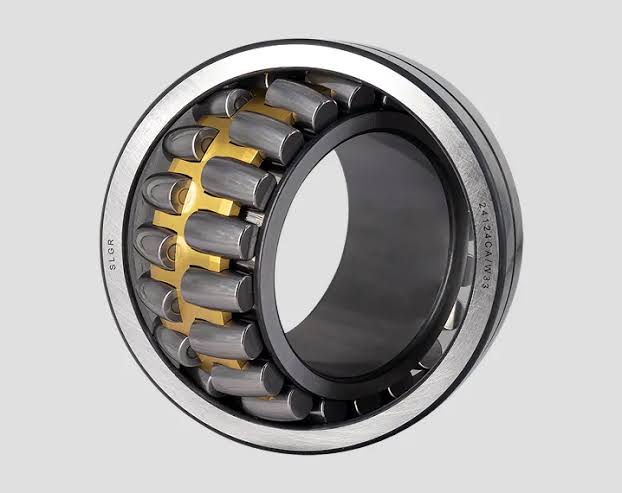

Marine vessels depend on various mechanical systems to support propulsion, steering, power generation, and other essential operations. These systems contain rotating or moving components that must operate smoothly under demanding conditions. Marine bearings play an important role by supporting shafts, reducing friction, and managing mechanical loads.
Different applications require different bearing designs, materials, and lubrication methods. Understanding the available types of Marine Bearings helps shipbuilders, marine engineers, and vessel operators select suitable components for reliable equipment performance. The right choice can improve operational stability, reduce wear, and support longer service life.
1. Plain Bearings
Plain bearings are among the commonly used bearing types in marine equipment. They support moving shafts through a sliding contact surface rather than using rolling elements such as balls or rollers.
These bearings are often manufactured from bronze, polymer, composite, or other materials selected for their strength and wear resistance. Their relatively simple construction makes them suitable for applications where durability and dependable load support are important.
Common uses include:
- Propeller shaft support systems.
- Rudder assemblies.
- Pumps and auxiliary machinery.
- Marine equipment with oscillating or rotating movement.
Plain bearings are available in different configurations depending on the load, speed, and lubrication requirements of the application.
2. Water-Lubricated Bearings
Water-lubricated bearings use water as the lubricating medium between the shaft and bearing surface. They are particularly useful in marine applications where seawater or freshwater can be supplied to the bearing during operation.
Many designs use rubber, composite, or engineered polymer materials to provide suitable friction and wear characteristics. These bearings can reduce dependence on conventional oil-based lubrication systems.
Typical applications include:
- Ship propeller shafts.
- Marine propulsion systems.
- Water pumps.
- Certain offshore and underwater mechanical systems.
Their performance depends on factors such as water flow, shaft alignment, material compatibility, and operating loads. Proper installation and maintenance help prevent excessive wear.
3. Oil-Lubricated Bearings
Oil-lubricated bearings use a layer of lubricating oil to separate moving surfaces and reduce friction. Depending on their design, they may operate with hydrodynamic or other lubrication arrangements.
Oil helps minimize direct surface contact, control operating temperatures, and protect components from excessive wear. These bearings are suitable for machinery requiring continuous operation under significant mechanical loads.
Common uses include propulsion shaft arrangements, large rotating machinery, generators, and other marine equipment. Regular oil condition checks and proper lubrication management are essential for maintaining reliable performance.
4. Ball Bearings
Ball bearings contain small spherical rolling elements positioned between inner and outer races. The balls reduce friction by allowing components to rotate with rolling contact rather than direct sliding contact.
They are often selected for equipment requiring smooth rotation and relatively high operating speeds. Some designs can handle both radial and axial loads, depending on their configuration.
Common marine applications include:
- Electric motors.
- Small pumps.
- Fans and ventilation systems.
- Auxiliary machinery.
- Certain steering and control mechanisms.
The bearing type must match the equipment’s speed, load, temperature, and environmental requirements.
5. Roller Bearings
Roller bearings use cylindrical, tapered, or other shaped rolling elements to support rotating components. Their larger contact area compared with ball bearings can make them suitable for applications involving heavier loads.
Different roller bearing designs are available for specific load directions and operating conditions.
For example, cylindrical roller bearings are commonly used for substantial radial loads, while tapered roller bearings can support combined radial and axial loads.
In marine equipment, roller bearings may be found in heavy rotating machinery, transmission systems, propulsion-related equipment, and industrial installations on vessels.
6. Thrust Bearings
Thrust bearings are designed primarily to manage axial loads, which act parallel to a shaft’s axis. These forces can be significant in propulsion systems because rotating propellers generate thrust during vessel movement.
A thrust bearing helps transfer these forces to the supporting structure while allowing controlled shaft rotation.
Depending on the application, thrust bearings may use sliding surfaces or rolling elements. Their selection requires careful consideration of thrust magnitude, rotational speed, lubrication, and operating conditions.
7. Spherical Bearings
Spherical bearings are designed to accommodate angular movement or a certain degree of misalignment between connected components. Their construction allows movement in multiple directions while supporting mechanical loads.
They can be useful in marine equipment exposed to vibration, movement, or changing operating forces.
Typical applications may include steering linkages, suspension-related mechanisms, deck machinery, and other assemblies where alignment flexibility is required.
Factors to Consider When Selecting Marine Bearings
Choosing the correct bearing involves more than identifying its basic type. Engineers should evaluate the complete operating environment and the requirements of the connected equipment.
Important selection factors include:
- Load capacity: Determine whether the bearing must support radial, axial, or combined loads.
- Operating speed: Check the rotational speed and ensure the bearing is suitable for continuous operation.
- Material compatibility: Consider corrosion resistance, wear resistance, and compatibility with shafts and housings.
- Lubrication method: Select an appropriate oil, grease, or water-lubricated design.
- Environmental conditions: Account for seawater exposure, humidity, temperature changes, and contamination.
- Maintenance requirements: Evaluate inspection frequency, lubrication access, and replacement procedures.
Reviewing these factors helps prevent premature wear and reduces the risk of equipment failure.
Maintenance Practices for Better Bearing Performance
Even well-designed bearings require appropriate maintenance to deliver reliable service. Regular inspections can help identify early signs of damage before they affect vessel operations.
Marine maintenance teams should monitor vibration, noise, operating temperature, lubrication condition, and visible wear. Shaft alignment and mounting conditions should also be checked according to equipment requirements.
Following manufacturer recommendations for lubrication, cleaning, inspection, and replacement can extend bearing service life. Keeping suitable spare components available is also valuable for vessels operating far from repair facilities.
When researching marine bearing solutions, buyers can explore technical information and product options from Techemer while comparing specifications against their vessel’s actual operating requirements.
Conclusion
Modern vessels use several types of marine bearings, including plain, water-lubricated, oil-lubricated, ball, roller, thrust, and spherical bearings. Each type serves different mechanical purposes, from supporting propulsion shafts to managing axial loads and accommodating movement.
Selecting the right bearing requires careful evaluation of load capacity, speed, materials, lubrication, and environmental conditions. Combined with correct installation and regular maintenance, suitable bearings help improve machinery reliability, reduce downtime, and support efficient ship operations.