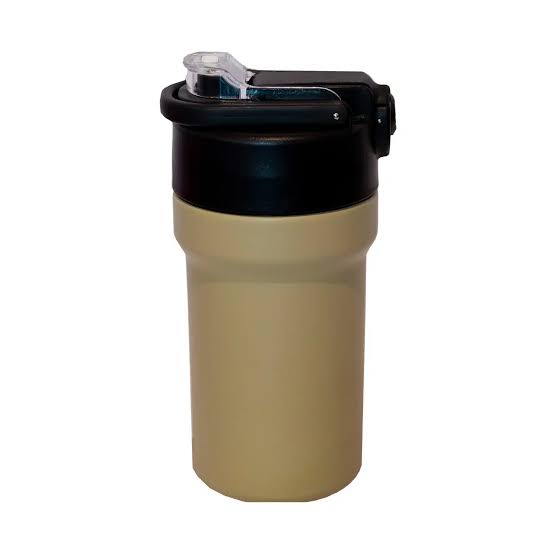

Sourcing drinkware involves several important steps, from identifying suitable manufacturers to receiving finished products at the required destination. For retailers, wholesalers, distributors, and promotional product businesses, an organized sourcing process helps maintain product quality, control purchasing costs, and ensure a steady supply of inventory. Understanding each stage makes it easier to avoid common purchasing problems and build reliable supply chain operations.
Working with an experienced Drinkware Supplier can simplify procurement by providing access to suitable product options, manufacturing capabilities, and order management support. However, successful sourcing requires careful planning, clear communication, and proper evaluation at every stage. Businesses should understand how supplier selection, product development, quality inspections, and shipping arrangements work together to complete an order efficiently.
1. Understanding Business Requirements Before Sourcing
The first step in drinkware sourcing is identifying exactly what the business needs. Without clear purchasing requirements, companies may select unsuitable products, underestimate costs, or experience delays during production.
Start by determining the intended market, target customers, and product applications. For example, a retailer selling everyday reusable bottles may have different requirements from a hospitality business purchasing glassware or a company ordering branded promotional tumblers.
Important considerations include:
- Product type, material, size, and design.
- Expected order quantity and purchasing frequency.
- Target price range and budget.
- Required safety and quality standards.
- Customization and packaging preferences.
- Expected delivery schedule.
Preparing a detailed product specification helps suppliers understand expectations and provide more accurate quotations.
2. Researching and Shortlisting Potential Suppliers
Once purchasing requirements are established, businesses can begin researching potential suppliers. The goal is to identify companies with suitable product offerings, manufacturing experience, and the ability to meet order requirements.
Online supplier directories, industry exhibitions, business websites, and professional recommendations can help identify potential sourcing partners.
When comparing companies, examine their product catalogs, business experience, production capabilities, and communication practices. It is also useful to determine whether they manufacture products directly or operate primarily as trading companies.
Creating a shortlist of several suitable suppliers allows businesses to compare available options before making a purchasing decision.
3. Evaluating Supplier Capabilities and Reliability
Finding potential suppliers is only the beginning. Businesses must determine whether each candidate can consistently deliver products that meet their specifications.
Supplier evaluation should cover both technical capabilities and business reliability. A company may offer competitive prices but lack the production capacity or quality control systems needed for larger orders.
Consider evaluating:
- Manufacturing facilities and production equipment.
- Experience with different drinkware materials.
- Monthly production capacity.
- Quality assurance procedures.
- Relevant product testing and certifications.
- Experience handling international orders.
- Customer service and after-sales support.
Requesting company information, inspection documents, and business references can provide additional confidence before entering into an agreement.
4. Requesting Quotations and Comparing Costs
After identifying suitable candidates, the next step is requesting detailed quotations. Businesses should provide the same product specifications to each supplier to make comparisons more accurate.
A complete quotation should explain the unit price, minimum order quantity, customization charges, packaging costs, and estimated production lead time.
Shipping arrangements should also be considered because transportation expenses can significantly influence the final purchasing cost.
When comparing quotations, avoid focusing exclusively on the lowest unit price. Evaluate the overall value offered by each supplier, including material quality, production consistency, communication, and delivery reliability.
5. Selecting the Right Drinkware Materials and Products
Material selection has a direct influence on product performance, appearance, durability, and price. Different drinkware applications require different material characteristics.
Common options include:
Stainless Steel: Frequently used for insulated bottles, travel mugs, and tumblers because of its strength and suitability for reusable products.
Glass: Popular for drinking glasses and beverage containers because it offers a clean appearance and generally does not retain beverage flavors.
Plastic: Used for lightweight bottles, reusable cups, and promotional products. Businesses should select appropriate food-contact materials for the intended application.
Ceramic: Commonly used for coffee mugs and decorative drinkware because of its appearance and variety of available finishes.
Silicone: Often used for flexible cups, collapsible drinkware, and accessories.
The best material depends on the target market, intended use, budget, and applicable safety requirements.
6. Requesting Samples and Approving Product Specifications
Product samples are an important part of the sourcing process. Photographs and product descriptions cannot always demonstrate actual quality, weight, finishing, or usability.
Before confirming a large order, request samples and inspect them against the original specifications.
Pay attention to:
- Material thickness and construction.
- Surface finishing and color consistency.
- Lid fitting and sealing performance.
- Product dimensions and weight.
- Ease of cleaning and everyday usability.
- Packaging quality and protection.
For customized products, businesses should also approve artwork, logos, colors, and prototypes before mass production begins.
A written sample approval process helps reduce misunderstandings and provides a reference for subsequent manufacturing inspections.
7. Finalizing Order Details and Payment Terms
Once the sample and product specifications are approved, businesses can move toward order confirmation.
The purchase agreement should clearly outline all important details to avoid disputes during manufacturing or delivery.
These details typically include:
- Product descriptions and technical specifications.
- Confirmed order quantity.
- Unit pricing and total order value.
- Customization and packaging requirements.
- Production and delivery schedules.
- Payment methods and payment milestones.
- Inspection and defect-handling procedures.
Businesses should review payment terms carefully and understand when deposits, production payments, and remaining balances are due.
Clear documentation makes the purchasing relationship more transparent and helps both parties manage their responsibilities.
8. Production Planning and Manufacturing
After order confirmation, the supplier begins preparing for production. This stage may involve material procurement, production scheduling, tooling preparation, printing, assembly, and packaging.
The manufacturing process varies depending on the drinkware material and product design.
For example, stainless steel bottles may require metal forming, welding, polishing, insulation, and surface finishing. Glass drinkware involves forming, cooling, and finishing processes, while plastic products may use injection molding or other suitable manufacturing techniques.
Businesses should maintain communication with suppliers during this stage to receive updates about production progress and potential schedule changes.
9. Quality Control During Manufacturing
Quality control should not be limited to the final inspection. Monitoring production at different stages helps identify defects before they affect an entire order.
A structured inspection process may include checking raw materials, examining partially completed products, and testing finished drinkware.
For relevant products, testing may cover leakage, insulation performance, lid functionality, coating quality, dimensions, and material safety.
Businesses ordering large quantities can also consider third-party inspections. Independent inspections provide an additional level of verification before products are approved for shipment.
10. Packaging and Preparation for Shipment
Packaging protects drinkware during storage, handling, and transportation. Since products such as glass cups and ceramic mugs can break easily, packaging requirements should be discussed before production is completed.
The appropriate packaging depends on product material, shipping distance, transportation method, and customer requirements.
Common packaging options include individual protective boxes, molded inserts, dividers, bubble protection, and export cartons.
For international shipments, suppliers should also ensure that cartons are properly labeled and prepared according to the agreed shipping requirements.
Good packaging reduces the possibility of transportation damage and helps products arrive in acceptable condition.
11. Understanding Shipping and Delivery Arrangements
Once production and packaging are complete, the order moves into the shipping stage. Businesses should choose a transportation method based on delivery urgency, order volume, budget, and destination.
The most common shipping methods include:
Sea Freight: Often suitable for large-volume orders because it generally offers lower transportation costs per unit, although transit times are longer.
Air Freight: Useful for urgent shipments and smaller orders where faster delivery is a priority. However, transportation costs are usually higher.
Express Courier: Suitable for samples, small packages, and urgent deliveries that require convenient tracking.
Businesses should discuss shipping responsibilities, insurance, customs documentation, and delivery arrangements before the goods leave the supplier’s facility.
Understanding applicable Incoterms can also clarify which party is responsible for transportation, insurance, customs clearance, and other delivery-related obligations.
12. Customs Clearance and Import Documentation
For international sourcing, customs clearance is an important part of the delivery process. Missing or inaccurate documentation can cause delays, additional charges, or difficulties receiving goods.
Depending on the destination and shipping arrangement, common documents may include:
- Commercial invoice.
- Packing list.
- Bill of lading or air waybill.
- Certificate of origin, when required.
- Relevant product testing or compliance documents.
- Additional import permits or declarations, where applicable.
Import requirements vary between countries and product categories. Businesses should confirm applicable regulations with customs authorities or qualified customs brokers before shipment.
Proper documentation helps make international transportation and import procedures more predictable.
13. Receiving and Inspecting Delivered Products
The sourcing process does not end when products arrive. Businesses should inspect received goods to confirm that the shipment matches the purchase agreement and approved samples.
Begin by checking the shipment quantity, carton condition, product specifications, and packaging. Open selected cartons to examine the products for damage or manufacturing defects.
If discrepancies are identified, document them with photographs and inspection records. Contact the supplier promptly and follow the agreed procedure for replacements, refunds, or other corrective actions.
Maintaining accurate receiving records also helps businesses evaluate supplier performance over time.
14. Building Long-Term Supplier Relationships
Successful sourcing is not simply about completing one purchase. Businesses that regularly order drinkware benefit from developing stable relationships with dependable suppliers.
Consistent communication, realistic forecasting, timely payments, and constructive feedback can improve cooperation between both parties.
Long-term partnerships may also provide advantages such as more predictable production planning, improved customization coordination, and better understanding of product requirements.
Businesses should periodically review supplier performance based on quality, pricing, delivery accuracy, responsiveness, and problem resolution.
Common Mistakes to Avoid During Drinkware Sourcing
Even experienced buyers can encounter problems when sourcing products without a structured process. Recognizing common mistakes can help businesses reduce unnecessary expenses and delays.
Some mistakes worth avoiding include:
- Selecting suppliers based only on the lowest quotation.
- Failing to verify material quality and product safety.
- Skipping sample evaluation before mass production.
- Providing incomplete product specifications.
- Overlooking packaging and transportation requirements.
- Ignoring customs documentation for international shipments.
- Failing to establish clear inspection and defect-handling procedures.
- Not planning inventory requirements and delivery timelines.
Addressing these issues early makes sourcing more organized and reduces the likelihood of costly disruptions.
Conclusion
The drinkware sourcing process involves multiple stages, beginning with business requirement planning and supplier research and continuing through product approval, manufacturing, quality control, shipping, and final inspection. Each stage contributes to the overall success of a purchasing operation.
Businesses can improve sourcing efficiency by comparing suppliers carefully, requesting samples, confirming product specifications, and establishing clear purchasing and delivery terms. Maintaining communication throughout the process is equally important for preventing misunderstandings and managing unexpected challenges.
A structured sourcing strategy helps companies control costs, maintain consistent product standards, and establish reliable supply chain relationships. By treating supplier selection and order management as long-term business priorities, companies can create a more dependable foundation for growth.