
Introduction
In modern construction, efficiency and cost management are key factors that determine the success of any infrastructure project. Deep foundation work, in particular, requires specialized equipment that can balance high productivity with controlled operational expenses.
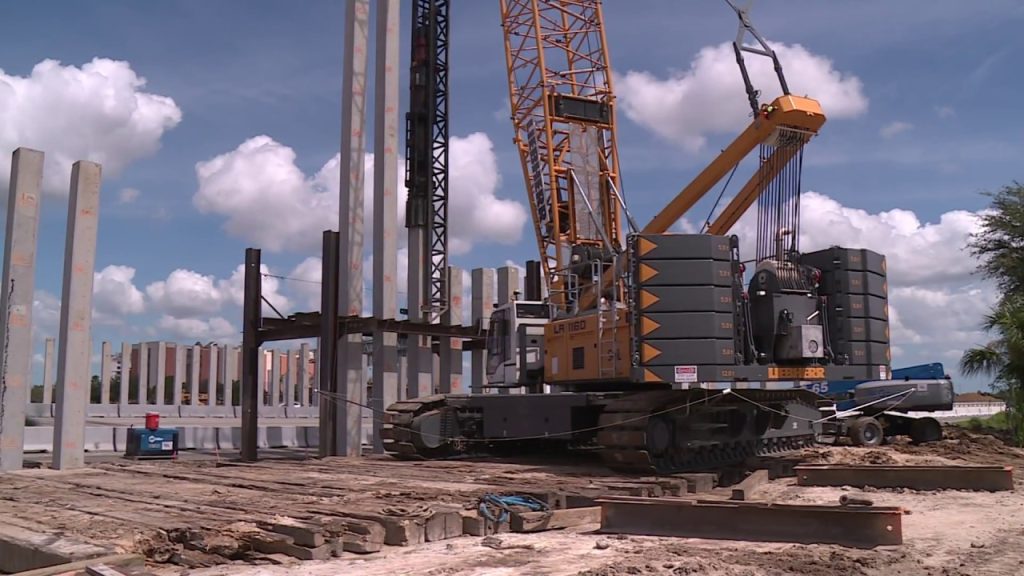
A pile drilling rig is one of the most widely used machines in foundation engineering, designed to deliver precise and efficient drilling performance. A modern pile drilling rig plays a significant role in improving productivity while reducing long-term construction costs through advanced hydraulic systems, automation, and optimized drilling processes.
Understanding Productivity in Pile Drilling Operations
Productivity in pile drilling refers to the speed, accuracy, and consistency with which boreholes are created for foundation piles. High productivity ensures that construction timelines are met without compromising quality.
Key factors influencing productivity include:
- Drilling speed across different soil conditions
- Machine torque and hydraulic efficiency
- Operator skill and experience
- Soil type and ground stability
- Equipment reliability and uptime
A well-matched rig can significantly increase output while maintaining structural precision.
Factors That Affect Cost Efficiency
Cost efficiency is not only about the initial purchase price of equipment but also includes operational, maintenance, and downtime costs over time.
Important cost factors include:
- Fuel or energy consumption
- Maintenance frequency and repair costs
- Labor requirements
- Equipment lifespan and durability
- Project delays caused by inefficiency
Selecting the right drilling rig can significantly reduce overall project expenses.
Role of Hydraulic Systems in Efficiency
Hydraulic systems are central to both productivity and cost efficiency in modern drilling rigs. They ensure smooth power transmission and reduce energy losses during operation.
Key benefits include:
- Stable torque output for consistent drilling
- Reduced mechanical wear and tear
- Improved fuel efficiency
- Faster response to changing soil conditions
Efficient hydraulic systems directly contribute to lower operating costs and higher productivity rates.
Impact of Automation and Smart Controls
Modern pile drilling rigs increasingly incorporate automation and digital monitoring systems to improve efficiency and reduce human error.
These systems provide:
- Real-time monitoring of drilling depth and torque
- Automated adjustment of drilling speed
- Predictive maintenance alerts
- Improved operator decision-making
Automation helps reduce downtime and ensures consistent drilling quality.
Productivity in Different Soil Conditions
Soil conditions have a direct impact on drilling speed and cost efficiency. A rig must be capable of adapting to different geological environments.
Soft Soil
- Faster drilling speed
- Lower energy consumption
- High productivity rates
Medium-Density Soil
- Moderate drilling speed
- Balanced energy usage
- Stable performance
Hard Soil or Rock
- Reduced drilling speed
- Higher torque requirement
- Increased operational cost
Choosing the right rig for soil conditions is essential for maintaining efficiency.
Maintenance and Downtime Costs
Maintenance plays a critical role in determining long-term cost efficiency. Poor maintenance can lead to frequent breakdowns and project delays.
Effective maintenance practices include:
- Regular inspection of hydraulic systems
- Timely replacement of worn drilling tools
- Engine servicing and lubrication
- Monitoring structural components
Well-maintained equipment reduces downtime and improves overall productivity.
Operator Efficiency and Training
Operator skill directly influences both productivity and cost control. Experienced operators can optimize machine performance and reduce unnecessary wear.
Key training areas include:
- Proper machine handling techniques
- Understanding soil behavior
- Efficient drilling speed control
- Safety and emergency response procedures
Skilled operators help maximize output while minimizing operational costs.
Long-Term Investment Value
While the initial cost of a pile drilling rig may be high, its long-term value depends on durability, efficiency, and maintenance requirements.
Key considerations include:
- Machine lifespan
- Availability of spare parts
- Fuel efficiency over time
- Resale value
A high-quality rig often provides better return on investment through improved performance and reduced maintenance costs.
Applications in Large-Scale Projects
Pile drilling rigs are widely used in infrastructure projects where both productivity and cost control are essential.
Common applications include:
- High-rise building foundations
- Bridge and highway construction
- Industrial infrastructure projects
- Railway and transportation systems
- Marine foundation work
Efficient rigs help complete these projects within budget and on schedule.
Conclusion
Productivity and cost efficiency are closely linked in deep foundation construction, where equipment performance directly impacts project success. A well-designed pile drilling rig ensures faster drilling, lower operational costs, and improved long-term value.
By selecting the right equipment, maintaining it properly, and optimizing operational practices, construction teams can achieve higher efficiency and better financial outcomes in complex infrastructure projects.