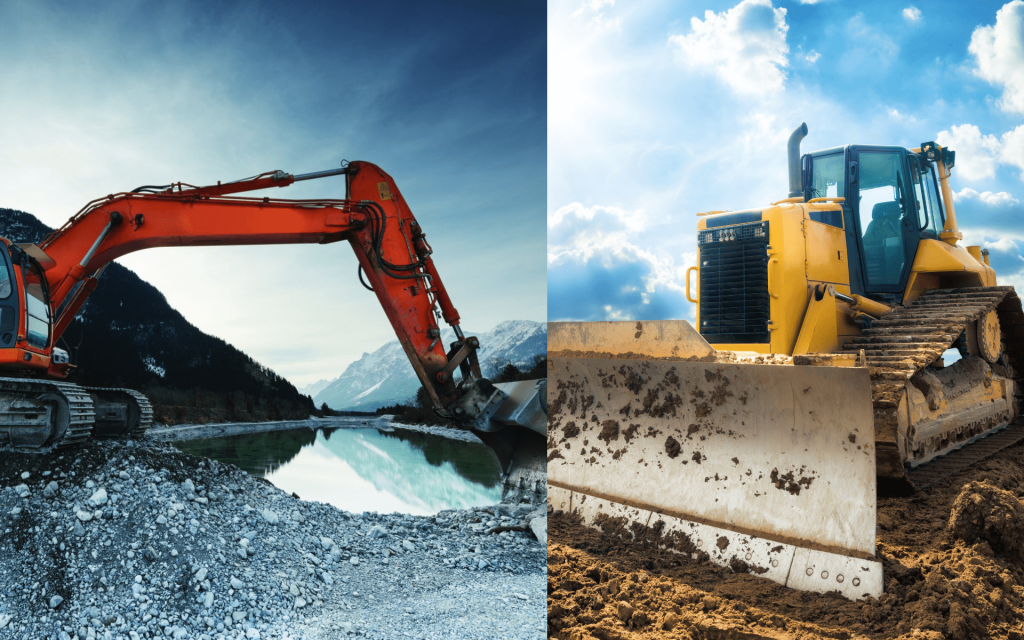

Excavators are among the most essential machines in the construction, mining, and infrastructure sectors. Their versatility allows them to perform a wide range of tasks, from digging foundations to demolishing structures and handling heavy materials. Behind every high-performing excavator is a complex process that begins with design and engineering and ends with real-world performance on demanding job sites. Understanding how excavator manufacturers develop and refine these machines provides valuable insight into the industry as a whole.
The journey of an excavator from concept to field use involves multiple stages, including design innovation, component selection, manufacturing precision, and rigorous testing. Leading companies compete globally to produce machines that are not only powerful but also efficient, durable, and technologically advanced. A deeper understanding of global Excavator Manufacturers helps highlight how different brands approach engineering and performance optimization in unique ways.
Conceptual Design and Engineering Development
The manufacturing process of an excavator begins with conceptual design. Engineers and designers work together to define the machine’s purpose, whether it is for mining, urban construction, or heavy-duty excavation. This stage involves extensive research into customer needs, industry trends, and regulatory requirements.
Computer-aided design (CAD) software is used to create detailed models of the excavator. These digital prototypes allow engineers to visualize every component and simulate how the machine will perform under different conditions. Structural integrity, hydraulic efficiency, and weight distribution are carefully analyzed to ensure optimal performance.
During this phase, manufacturers also focus on innovation. Features such as improved fuel efficiency, enhanced operator cabins, and advanced control systems are integrated into the design to meet modern industry demands.
Component Selection and Material Quality
Once the design is finalized, manufacturers move on to selecting high-quality components and materials. The performance and durability of an excavator depend heavily on the quality of its parts, including the engine, hydraulic system, boom, arm, and undercarriage.
High-strength steel is commonly used for structural components to ensure durability under extreme working conditions. Hydraulic systems are designed with precision to provide smooth and powerful movement. Engines are selected based on fuel efficiency, emission standards, and power output requirements.
Manufacturers often collaborate with specialized suppliers to source reliable components. This ensures consistency in performance and reduces the risk of mechanical failures during operation.
Manufacturing and Assembly Process
The assembly stage is where design becomes reality. Modern excavator manufacturing facilities use advanced automation and robotics to ensure precision and efficiency. Each component is carefully assembled according to strict engineering standards.
Welding and fabrication are critical steps in this process. Structural parts such as the boom and chassis are welded with high accuracy to ensure strength and stability. After assembly, each excavator undergoes quality inspections to verify that all components are correctly installed and functioning as intended.
Manufacturers also implement strict quality control systems at every stage of production. This helps maintain consistency across all units and ensures that each machine meets international safety and performance standards.
Integration of Advanced Technology
Technology plays a vital role in modern excavator manufacturing. Today’s machines are equipped with intelligent systems that improve efficiency, safety, and ease of operation. Telematics systems allow real-time monitoring of machine performance, enabling fleet managers to track usage, fuel consumption, and maintenance needs.
Automation is also becoming increasingly common. Some excavators feature semi-autonomous controls that assist operators in performing repetitive or complex tasks with greater precision. These systems reduce human error and increase productivity on construction sites.
Additionally, manufacturers are incorporating GPS systems and digital interfaces that enhance operational accuracy. These technologies allow operators to execute tasks with improved control and efficiency.
Testing and Quality Assurance
Before an excavator is released into the market, it undergoes extensive testing to ensure reliability and performance. Manufacturers simulate real-world working conditions to evaluate how the machine performs under stress, heavy loads, and continuous operation.
Durability tests are conducted to assess the strength of structural components. Hydraulic systems are tested for efficiency and responsiveness, while engines are evaluated for fuel consumption and emissions compliance.
Field testing is also an important part of the process. Prototype machines are deployed in actual construction environments to gather performance data. This feedback is used to make final adjustments before mass production begins.
From Factory to Field Performance
Once testing is complete, excavators are ready for distribution and real-world use. Field performance is the ultimate measure of a machine’s success. Operators evaluate factors such as digging power, fuel efficiency, maneuverability, and overall reliability.
Manufacturers closely monitor field performance through feedback systems and telematics data. This information helps them identify potential improvements and develop future models with enhanced capabilities.
In real-world applications, excavators are used in diverse environments, including urban construction sites, mining operations, road building, and demolition projects. Their ability to adapt to different tasks highlights the importance of strong engineering and design.
Importance of Operator Experience
Operator experience plays a crucial role in determining how effectively an excavator performs in the field. Manufacturers invest in designing ergonomic cabins with user-friendly controls to improve comfort and reduce fatigue.
Features such as adjustable seating, climate control, and enhanced visibility contribute to better operator performance. Safety systems, including cameras and sensors, help prevent accidents and improve situational awareness.
Training programs provided by manufacturers also ensure that operators understand how to use advanced features effectively. Proper training enhances productivity and extends the lifespan of the machine.
Maintenance and Long-Term Performance
Maintenance is essential for ensuring long-term excavator performance. Manufacturers design machines with easy access to key components, making routine maintenance more efficient.
Regular servicing of hydraulic systems, engines, and filters helps maintain optimal performance and prevent breakdowns. Many modern excavators also include diagnostic systems that alert operators to potential issues before they become serious problems.
Manufacturers that provide strong after-sales support and readily available spare parts contribute significantly to the long-term success of their machines in the field.
Conclusion
The journey of an excavator from design to field performance is a complex and highly engineered process. It involves careful planning, advanced technology, precise manufacturing, and rigorous testing to ensure that each machine meets industry demands.
Excavator manufacturers continue to innovate, improving efficiency, durability, and operator experience. By understanding this process, it becomes clear how much engineering excellence and technological advancement go into every machine that operates on construction sites around the world.