
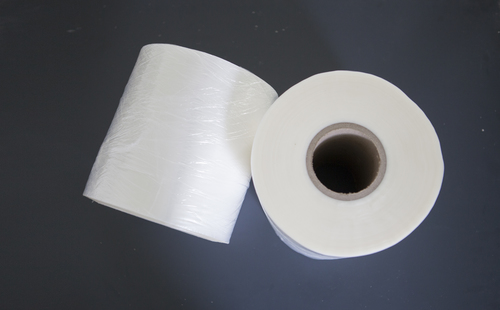

Water soluble films have become an essential material in industries such as packaging, pharmaceuticals, agriculture, and industrial cleaning. Made primarily from polyvinyl alcohol (PVA), these films dissolve completely in water, leaving no harmful residues behind. Their ability to dissolve efficiently and predictably is critical for applications ranging from single-dose detergents to controlled-release fertilizers. Understanding the factors that affect water soluble film dissolution is vital for manufacturers, distributors, and end users to ensure optimal performance and reliability.
The dissolution of water soluble films depends on multiple factors, including film composition, thickness, environmental conditions, and handling practices. A leading provider of high-quality water soluble films, Polyva, produces films engineered to meet precise dissolution requirements for a variety of applications. By tailoring films to specific industry needs, manufacturers can optimize the dissolution rate, ensuring that the films perform as intended without compromising safety, convenience, or environmental sustainability.
Film Composition and Polymer Characteristics
The composition of the film is one of the most important factors affecting dissolution. The molecular weight of the PVA polymer, degree of hydrolysis, and presence of additives such as plasticizers all influence how quickly the film dissolves. Higher molecular weight polymers tend to dissolve more slowly due to stronger intermolecular bonds, while lower molecular weight polymers allow faster dissolution. Similarly, the degree of hydrolysis affects water solubility, as more hydrolyzed PVA films may have enhanced resistance to moisture and slower dissolution.
Additives such as plasticizers and stabilizers can modify film flexibility and solubility. Plasticizers increase the film’s flexibility, preventing brittleness while promoting uniform dissolution. Stabilizers can help maintain the film’s structural integrity during storage and handling, ensuring consistent performance at the time of use. By carefully selecting polymer characteristics and additives, manufacturers can achieve precise control over the film’s dissolution behavior.
Thickness and Surface Area
Film thickness plays a critical role in determining dissolution rate. Thicker films require more time to dissolve because water must penetrate a greater volume before the polymer fully breaks down. Conversely, thinner films dissolve more quickly, making them ideal for fast-release applications such as oral medications, beverage packets, or single-dose cleaning pods.
The surface area of the film exposed to water also affects the speed of dissolution. Films with larger surface areas relative to their volume dissolve faster because water can interact with more polymer molecules simultaneously. Manufacturers often design water soluble films in pre-measured sheets, pods, or sachets to optimize surface area and ensure predictable dissolution rates for end users.
Environmental Conditions
External environmental factors such as water temperature, pH, and agitation significantly impact the dissolution of water soluble films. Higher water temperatures generally accelerate dissolution by increasing molecular mobility, while colder temperatures slow the process. Similarly, the pH of the water can influence polymer solubility; some films may dissolve more readily in neutral or slightly alkaline solutions than in acidic conditions.
Agitation or stirring also promotes faster dissolution by increasing water contact with the film’s surface and preventing localized saturation. In industrial or consumer applications, these environmental variables must be considered to ensure that the film dissolves consistently under expected conditions.
Handling and Storage Practices
Proper handling and storage of water soluble films are essential to maintaining consistent dissolution performance. Exposure to moisture, humidity, or high temperatures during storage can partially pre-dissolve or weaken the film, leading to slower or uneven dissolution at the point of use. Films should be stored in sealed, moisture-resistant packaging under controlled conditions to preserve their properties.
Handling practices also influence performance. Excessive bending, folding, or stretching of films can create micro-cracks or alter thickness, which may affect dissolution. Ensuring careful handling from production to end use helps maintain the intended dissolution profile and prevents operational issues.
Application-Specific Considerations
Different applications require specific dissolution characteristics. In pharmaceuticals, films must dissolve quickly and completely to deliver accurate dosages in oral strips or single-dose medications. In industrial cleaning or agricultural applications, controlled or slower dissolution may be preferred to release active ingredients gradually over time. By understanding the performance factors and tailoring film properties accordingly, manufacturers can meet the precise requirements of each application while optimizing efficiency, safety, and user convenience.
Conclusion
The dissolution performance of water soluble films is influenced by multiple factors, including polymer composition, film thickness, surface area, environmental conditions, and handling practices. Each factor plays a crucial role in ensuring that the film dissolves predictably and effectively for its intended application. Brands like Polyva provide high-quality, customizable water soluble films engineered to meet diverse industry needs, offering reliable and efficient dissolution performance. By understanding and managing these performance factors, manufacturers and users can maximize the benefits of water soluble films across a wide range of applications while maintaining safety, convenience, and sustainability.


