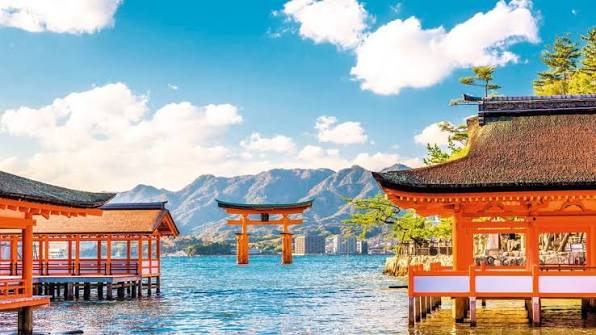

Japan is a fascinating destination where ancient traditions coexist with advanced technology, contemporary architecture, and modern entertainment. Visitors can discover historic temples, traditional crafts, seasonal ceremonies, and cultural customs while also enjoying futuristic city districts, interactive museums, shopping complexes, and innovative attractions. This combination makes Japan an appealing destination for travelers with different interests.
Travelers researching a ทัวร์ญี่ปุ่น can experience both sides of the country through a carefully balanced itinerary. Rather than focusing entirely on historical landmarks or modern entertainment, combining cultural experiences with contemporary attractions provides a deeper understanding of Japanese society and its development.
Discovering Traditional Japanese Culture
Traditional Japanese culture is reflected in architecture, etiquette, clothing, art, and everyday activities. Temples and shrines provide opportunities to learn about Buddhist and Shinto practices, while historic neighborhoods preserve architectural styles that have developed over many generations. Kyoto is particularly well known for its cultural heritage, although traditional experiences can also be found in Tokyo and many regional cities.
Visitors may encounter tea ceremonies, calligraphy workshops, kimono experiences, and traditional performances. A tea ceremony demonstrates the importance of hospitality, preparation, attention to detail, and respect. Calligraphy introduces visitors to the artistic expression of Japanese writing, while traditional crafts reveal how regional materials and techniques have influenced local culture.
Exploring Historic Temples and Shrines
Religious landmarks are among Japan’s most recognizable attractions. Temples often feature impressive gates, halls, gardens, statues, and peaceful surroundings. Shrines are commonly associated with Shinto traditions and may have distinctive torii gates, sacred pathways, and natural settings.
Visitors should observe local etiquette when entering religious sites. Keeping voices low, following posted instructions, and respecting restricted areas helps maintain the peaceful environment. These visits can be especially rewarding when travelers take time to appreciate the architecture, surrounding landscape, and symbolism rather than simply photographing the main structure.
Experiencing Modern Japanese Cities
Modern Japan is equally impressive, particularly in its major urban centers. Tokyo showcases high-rise buildings, digital entertainment, advanced transportation, fashion districts, and innovative retail experiences. Areas such as Shibuya and Shinjuku demonstrate the energy of contemporary city life, while Akihabara is known for electronics, anime, gaming, and popular culture.
Osaka offers another perspective on modern Japan, combining entertainment districts, large shopping centers, contemporary restaurants, and attractions designed for visitors of all ages. Cities also feature convenient services, organized public transportation, and technology that makes travel easier for international visitors.
Technology and Interactive Attractions
Japan is home to attractions that combine technology with creativity. Interactive art installations, immersive exhibitions, digital museums, and entertainment venues offer experiences that differ from traditional sightseeing. These attractions can be particularly appealing to younger travelers and families who enjoy hands-on activities.
Visitors may explore modern museums, experience digital displays, or enjoy themed entertainment. Some attractions encourage participation rather than passive observation, allowing visitors to engage with visual effects, sound, and interactive environments. Advance reservations may be helpful for popular experiences, particularly during holidays and busy travel periods.
Traditional Food and Contemporary Dining
Food is another area where traditional and modern Japanese culture come together. Classic dishes such as sushi, tempura, soba, ramen, and grilled foods remain popular, while contemporary restaurants experiment with new presentation styles, international influences, and seasonal ingredients.
Local markets provide opportunities to sample regional specialties and observe everyday food culture. Meanwhile, modern dining districts offer everything from casual restaurants to sophisticated culinary experiences. Travelers should consider trying dishes associated with the regions they visit because local cuisine adds an important dimension to cultural exploration.
Shopping for Traditional and Modern Products
Shopping in Japan offers a wide range of choices. Traditional markets and craft stores sell ceramics, textiles, handmade accessories, souvenirs, and locally produced goods. Modern shopping districts feature fashion brands, electronics, beauty products, stationery, and specialty merchandise.
Visitors interested in traditional items may look for regional pottery, decorative crafts, or Japanese textiles. Those interested in contemporary products can explore department stores and shopping streets. Leaving some luggage space before departure can be useful for travelers who plan to purchase gifts or distinctive souvenirs.
Creating a Balanced Travel Itinerary
A successful itinerary should include both cultural and modern experiences without becoming overly crowded. Travelers might spend a morning visiting a historic temple, enjoy a local lunch, and explore a contemporary shopping district in the afternoon. Another day could include a cultural workshop followed by a modern museum or entertainment attraction.
It is also important to schedule breaks. Japan’s cities can involve considerable walking, and attractions may be spread across different neighborhoods. Planning transportation and grouping nearby locations together can reduce unnecessary travel time.
Conclusion
Japan’s appeal comes from its ability to preserve cultural traditions while embracing innovation. Historic temples, traditional arts, regional food, modern architecture, digital attractions, and lively shopping districts create a destination with extraordinary variety. Exploring both traditional and contemporary experiences helps visitors appreciate Japan beyond its famous landmarks and enjoy a more complete travel experience.