
Freeze-dried chicken is a versatile ingredient used in pet treats, complete pet food, meal toppers, and specialty food products. Its lightweight structure, concentrated flavor, and reduced moisture content make it attractive to manufacturers, distributors, and retailers looking for convenient chicken-based ingredients. However, purchasing large quantities requires more than comparing prices. Buyers must evaluate supplier reliability, product specifications, food safety procedures, packaging, and storage requirements.
For businesses exploring Freeze Dried Chicken Bulk purchasing, a structured sourcing process can help maintain consistent quality while controlling costs. Whether the ingredient is intended for private-label products, wholesale distribution, or in-house manufacturing, understanding how freeze-dried chicken is produced and evaluated can support better purchasing decisions.
What Is Bulk Freeze-Dried Chicken?
Bulk freeze-dried chicken is chicken meat or another specified chicken ingredient processed to remove most of its water through freezing and vacuum drying. During the process, ice changes directly into water vapor through sublimation. This helps preserve the ingredient’s physical structure while reducing moisture.
Commercial products are available in several forms:
- Chicken breast pieces: Suitable for treats, meal toppers, and ingredient applications.
- Chicken meat cubes: Convenient for portioning and further processing.
- Chicken flakes and crumbles: Useful for food coatings, mixes, and smaller product formats.
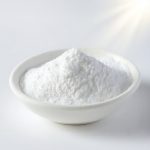
- Chicken powder: Used in selected formulations to provide chicken flavor and protein.
- Ground freeze-dried chicken: Suitable for recipes requiring a more uniform ingredient.
- Custom-cut pieces: Produced according to buyer specifications and manufacturing needs.
The appropriate format depends on the intended application, production equipment, packaging requirements, and desired finished-product texture.
Why Businesses Purchase Freeze-Dried Chicken in Bulk
Bulk purchasing can offer commercial advantages when a business has consistent demand and suitable storage capacity.
1. More Predictable Ingredient Supply
Manufacturers need reliable access to ingredients to maintain production schedules. Working with an established supplier can help businesses plan purchasing cycles and reduce the risk of unexpected shortages.
A supply agreement may also establish product specifications, order quantities, lead times, and delivery expectations.
2. Potential Cost Efficiency
Larger orders may provide better pricing per unit than repeated small purchases. They can also reduce administrative and transportation costs when shipments are consolidated.
However, buyers should compare the total landed cost rather than focusing only on the quoted price. Freight, import duties, inspection expenses, packaging, and storage all affect the final cost.
3. Consistent Product Formulation
Using ingredients with documented specifications can make it easier to maintain consistency across production batches.
Important specifications include:
- Chicken species and approved source.
- Meat cut and ingredient composition.
- Piece size and shape.
- Moisture content and water activity.
- Protein and fat levels.
- Microbiological requirements.
- Packaging format and shelf-life information.
Clear specifications help suppliers understand exactly what the buyer needs.
4. Convenient Handling and Transportation
Freeze-dried chicken weighs considerably less than its fresh or frozen equivalent because most of the water has been removed.
This can make it easier to transport and store, although packaging volume, product density, and freight conditions still influence logistics costs.
5. Flexible Commercial Applications
Bulk freeze-dried chicken can support different product categories, including single-ingredient treats, complete pet food formulations, meal toppers, and specialty ingredient blends.
Businesses can select the appropriate grade and particle size for each application.
Understanding the Freeze-Drying Process
Knowing how freeze-dried chicken is manufactured helps buyers evaluate product quality and supplier capabilities.
Step 1: Raw Chicken Sourcing
Production begins with chicken obtained from approved suppliers. Raw material quality is important because processing cannot compensate for poor-quality or improperly handled ingredients.
Manufacturers should maintain supplier approval procedures, traceability records, and relevant raw material specifications.
Step 2: Preparation and Cutting
Chicken is inspected and prepared according to the product requirements. Preparation may involve trimming, deboning, portioning, grinding, or cutting into consistent pieces.
Uniform sizing can improve processing consistency and make the finished product easier to portion.
Step 3: Freezing
The prepared chicken is frozen before entering the drying chamber. Freezing converts much of the water into ice, preparing it for removal during the next stage.
Step 4: Primary Drying
The frozen chicken is placed in a vacuum chamber. Under reduced pressure, ice changes directly into water vapor through sublimation.
A condenser collects the vapor, allowing a substantial amount of moisture to be removed while helping maintain the ingredient’s structure.
Step 5: Secondary Drying
Additional moisture is removed to reach the specified final moisture level and water activity.
These two measurements are related but not interchangeable. Moisture content measures the total amount of water in a product, while water activity indicates how much water is available for microbial growth and certain chemical reactions.
Step 6: Inspection and Packaging
Finished chicken is evaluated against established product specifications. Depending on the product and food safety plan, checks may include appearance, size, moisture, water activity, nutritional composition, and microbiological quality.
The product is then packed in suitable materials to protect it from humidity, oxygen exposure, and contamination.
How to Evaluate a Bulk Freeze-Dried Chicken Supplier
Selecting the right supplier is one of the most important parts of bulk purchasing. A low quotation may not represent good value if the supplier cannot maintain consistent specifications or provide reliable documentation.
1. Verify Supplier Experience
Look for suppliers with experience producing or distributing freeze-dried animal ingredients. Relevant experience may include supplying pet food manufacturers, treat producers, ingredient distributors, and private-label brands.
Ask about production capacity, product range, export experience, and the types of customers they serve.
2. Request Product Specifications
A professional supplier should be able to provide a detailed technical specification sheet.
This document should identify:
- Ingredient description and composition.
- Processing and product format.
- Moisture and water activity limits.
- Protein and fat specifications.
- Particle size or dimensions.
- Microbiological criteria.
- Packaging details.
- Storage conditions and shelf life.
Specifications should be clear enough to support incoming quality checks and production planning.
3. Review Food Safety Documentation
Because chicken is an animal-derived ingredient, food safety controls are particularly important.
Ask suppliers about their food safety management systems, hazard analysis, sanitation procedures, supplier approval processes, and relevant certifications.
Depending on the market and product, documentation may include HACCP-based plans, recognized food safety certifications, manufacturing approvals, and applicable regulatory records.
A certification should be verified for its scope, issuing body, and validity rather than accepted solely because it appears on a supplier’s website.
4. Confirm Traceability
Traceability allows businesses to identify the source and movement of ingredients through the supply chain.
Suppliers should be able to provide batch or lot identification and relevant records connecting finished products with production dates and raw material sources.
This information is important for investigating quality complaints and managing product recalls.
5. Assess Production Capacity
A supplier may provide an attractive sample but struggle to fulfill recurring large orders.
Confirm the supplier’s available capacity, standard lead times, minimum order quantities, and ability to manage seasonal demand.
For long-term supply relationships, discuss how production schedules and unexpected delays will be communicated.
6. Request Samples Before Ordering
Samples allow buyers to evaluate the product before committing to a large purchase.
Inspect the samples for:
- Consistent color and appearance.
- Expected chicken aroma.
- Texture and structural integrity.
- Piece size and uniformity.
- Excessive powder or broken material.
- Packaging condition.
- Compliance with the agreed specification.
Where necessary, submit samples to an independent laboratory for nutritional and microbiological analysis.
Essential Quality Control Checks for Bulk Freeze-Dried Chicken
Quality control should begin before an order is placed and continue through receiving, storage, and use.
Appearance and Physical Condition
Good-quality freeze-dried chicken should match the agreed product description. Color and texture can vary naturally depending on the chicken cut, raw material, and processing conditions.
Buyers should define acceptable ranges for piece dimensions, broken pieces, foreign material, and powder content.
Moisture Content
Residual moisture affects product stability and physical characteristics. Suppliers should establish a suitable moisture specification for the particular product.
A moisture result alone is not sufficient to determine shelf stability, so it should be considered alongside water activity and packaging performance.
Water Activity
Water activity is an important parameter for dry ingredients because it indicates the availability of water for microbial growth.
A suitably low water activity can limit the growth of many microorganisms. However, pathogens may survive in low-moisture foods even when they cannot grow.
Nutritional Composition
For pet food manufacturers, nutritional specifications help maintain formulation accuracy.
Relevant measurements may include:
- Crude protein.
- Crude fat.
- Crude fiber.
- Ash.
- Moisture.
- Calories or calculated energy values, where appropriate.
Nutrient values can vary with chicken cut, fat content, and raw material composition. Buyers should use verified product data when calculating formulations.
Microbiological Quality
Freeze-drying is not a sterilization process. Harmful microorganisms, including Salmonella, can survive in low-moisture products.
A supplier should have suitable preventive controls and a documented food safety plan. Where a pathogen-reduction treatment is needed, its effectiveness should be validated for the specific product and process.
Microbiological testing can help verify control performance, but testing alone cannot guarantee safety or replace preventive measures.
Packaging Integrity
Packaging should protect the chicken from moisture absorption, oxygen exposure, physical damage, and contamination.
Check seals, material specifications, package strength, and suitability for the expected distribution conditions.
Packaging Options for Bulk Freeze-Dried Chicken
Packaging affects product quality, storage efficiency, and transportation.
Moisture-Barrier Bags
Moisture-resistant bags help protect freeze-dried chicken from humidity during transportation and storage. The barrier properties should match the product’s sensitivity and expected shelf life.
Oxygen-Barrier Packaging
Chicken products containing fat can be vulnerable to oxidation. Suitable oxygen-barrier materials can help protect flavor and quality.
Vacuum or Modified-Atmosphere Packaging
Some products may use vacuum packaging or other controlled packaging approaches. The suitability of these methods depends on product structure, packaging design, and the manufacturer’s validated process.
Bulk Cartons and Outer Packaging
Larger shipments may use sealed inner bags placed inside protective cartons. Outer packaging should help prevent crushing and damage during handling.
Custom and Private-Label Packaging
Retail brands may require customized packaging with their own product information and branding. Buyers should confirm label requirements, pack sizes, and printing arrangements before production begins.
Proper Storage and Handling
Even though freeze-dried chicken contains little moisture, it can deteriorate if exposed to unsuitable conditions.
Store in a Cool, Dry Environment
Keep products in a clean, dry storage area away from direct sunlight, heat sources, and excessive humidity.
Follow the supplier’s specified temperature and environmental limits.
Keep Packaging Sealed
Unopened packaging should remain intact until the product is needed. After opening, reseal the package securely or transfer the product to a suitable airtight container if the manufacturer permits this.
Protect Against Moisture
Freeze-dried chicken can absorb moisture from the surrounding environment. Moisture exposure may affect texture, water activity, and storage stability.
Avoid leaving open bags in humid production areas for extended periods.
Use Inventory Rotation
A first-expired, first-out inventory system helps businesses use products within their stated shelf life.
Record receiving dates, lot numbers, expiry dates, and quantities to support traceability and stock management.
Monitor Storage Conditions
Businesses handling large quantities should establish documented storage procedures. Periodic inspections can help identify damaged packaging, moisture exposure, pests, or other problems.
Follow Rehydration Instructions
Some freeze-dried chicken products are intended to be served dry, while others may be rehydrated for particular applications.
Once rehydrated, animal-based products should be treated as perishable. Prepare them hygienically, follow the manufacturer’s instructions, and avoid leaving them at room temperature for extended periods.
Common Uses of Bulk Freeze-Dried Chicken
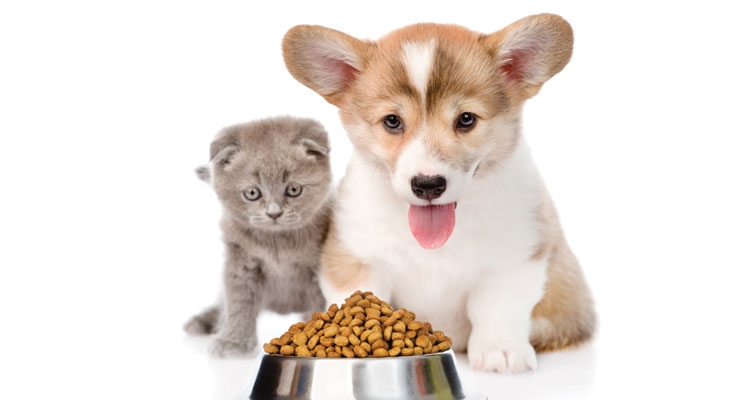
Freeze-dried chicken is used across several segments of the pet food industry.
Single-Ingredient Dog Treats
Chicken pieces can be sold as individual treats for dogs. Product size and texture can be adjusted for different consumer preferences and feeding situations.
Cat Treats
Chicken is a familiar animal protein used in many feline treat products. Small cubes, flakes, and bite-sized pieces are common formats.
Treats should be clearly identified as supplemental products unless they have been specifically formulated and evaluated as complete and balanced food.
Meal Toppers
Crumbled chicken can be added to regular pet food to provide extra flavor and texture. Meal toppers can help brands offer additional product variety without replacing the animal’s complete daily diet.
Complete Pet Food Formulations
Freeze-dried chicken may be included in complete recipes alongside other ingredients, fats, vitamins, and minerals.
Chicken alone does not provide every nutrient required by cats or dogs. The complete formula must be appropriately balanced for the intended species and life stage.
Private-Label Products
Brands can purchase bulk ingredients and work with manufacturers to develop their own packaged chicken treats or other pet food products.
Private-label projects require clear agreement on specifications, packaging, labeling, quality responsibilities, and production quantities.
Cost Factors When Buying Freeze-Dried Chicken in Bulk
The purchase price is influenced by more than the weight of the finished product.
| Cost Factor | Why It Matters |
|---|---|
| Raw chicken quality | Cut, fat content, and sourcing affect ingredient cost |
| Processing method | Equipment, cycle time, and production efficiency affect manufacturing expenses |
| Product format | Cubes, pieces, flakes, and powders may require different preparation |
| Order quantity | Larger orders may offer different unit pricing |
| Packaging | Barrier materials and customized packs influence total cost |
| Testing and documentation | Quality verification and regulatory requirements add costs |
| Freight and insurance | Shipping distance and transport arrangements affect landed cost |
| Import duties and taxes | Destination-country requirements influence the final purchase price |
When comparing quotations, buyers should calculate the total cost per usable kilogram rather than relying only on the quoted price per carton or shipment.
It is also useful to compare the product’s moisture specification, nutritional composition, and usable yield. Two products with the same purchase price may differ considerably in quality and suitability.
Common Mistakes to Avoid When Purchasing in Bulk
A careful purchasing process can prevent unnecessary costs and supply problems.
Choosing Only by Price
The cheapest product may have inconsistent sizing, unsuitable specifications, weak packaging, or insufficient documentation.
Evaluate the full value of the offer, including quality, reliability, and delivery performance.
Skipping Sample Evaluation
A sample provides an opportunity to identify differences in aroma, texture, appearance, and physical consistency before placing a large order.
Ignoring Food Safety Records
Do not assume that low moisture makes chicken ingredients microbiologically safe. Review the supplier’s preventive controls and relevant verification records.
Overlooking Storage Capacity
Large orders require suitable space, stock rotation, and protection against humidity. Buying more than the business can store properly can create avoidable losses.
Failing to Define Specifications
Vague purchasing descriptions can result in disagreements about piece size, fat content, moisture, or packaging.
Agree on measurable specifications before confirming the purchase.
Neglecting Import and Labeling Requirements
International buyers should check applicable import approvals, animal-origin product rules, customs documentation, and labeling requirements before arranging shipment.
Frequently Asked Questions
What is the main advantage of buying freeze-dried chicken in bulk?
Bulk purchasing can improve supply planning and may reduce unit costs for businesses with consistent demand. It can also simplify procurement when the supplier provides reliable specifications and regular shipments.
How long does bulk freeze-dried chicken last?
Shelf life varies according to moisture level, water activity, fat content, processing conditions, packaging, and storage environment. Follow the manufacturer’s stated shelf life rather than assuming a standard duration.
Does freeze-dried chicken need refrigeration?
Products specifically manufactured and labeled for ambient storage generally do not require refrigeration while unopened. Always follow the supplier’s storage instructions and protect the packaging from moisture.
Is freeze-dried chicken safe for pets?
It can be suitable when the product is properly sourced, manufactured, and handled. However, freeze-drying does not necessarily eliminate harmful microorganisms. Buyers should assess the supplier’s food safety controls and select products appropriate for their pets.
Can freeze-dried chicken be used in complete pet food?
Yes, it can be an ingredient in complete formulations. The finished recipe must include all required nutrients in appropriate amounts for the intended species and life stage.
What documents should buyers request from suppliers?
Useful documents include a product specification sheet, certificate of analysis, ingredient and batch information, food safety documentation, packaging details, and shelf-life and storage instructions. Additional documents may be required for export markets.
Should buyers test every shipment?
The testing program should be based on risk, supplier performance, product requirements, and applicable regulations. Many businesses establish incoming inspection procedures and periodic laboratory verification, with additional testing when problems or changes occur.
Conclusion
Buying freeze-dried chicken in bulk can support the production of pet treats, meal toppers, complete food formulations, and other specialty products. Its reduced moisture content, lightweight structure, and flexible product formats make it a useful ingredient for manufacturers and distributors.
Successful sourcing depends on selecting a capable supplier, defining measurable specifications, reviewing food safety documentation, and checking product quality before accepting large shipments. Proper packaging, dry storage, inventory rotation, and traceability are equally important for maintaining product condition.
By evaluating the total landed cost alongside quality and supply reliability, businesses can make more informed purchasing decisions and establish stronger long-term relationships with freeze-dried chicken suppliers.