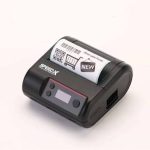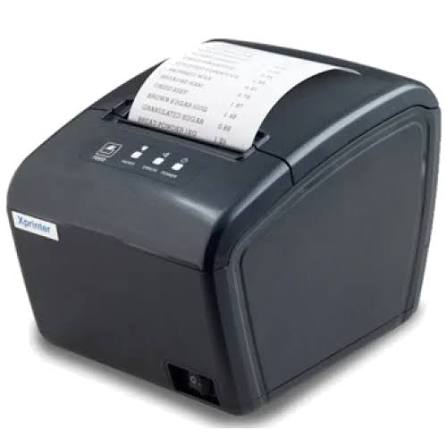

Retail businesses handle numerous daily activities, including processing customer purchases, generating receipts, managing inventory, and coordinating transactions between different departments. As customer expectations for faster service continue to increase, retailers need reliable equipment that supports smooth and organized operations. Printing technology plays an important role in achieving these goals, particularly at checkout counters and inventory management stations.
An Xprinter Thermal Printer can support retail workflows by providing efficient receipt and label printing capabilities. Through fast printing performance, convenient connectivity, and relatively simple operation, thermal printing technology helps retailers manage routine tasks more effectively. Understanding its practical applications can explain why thermal printers have become valuable tools in modern retail environments.
1. Faster Checkout Processes
Checkout efficiency directly affects the customer experience. During busy shopping periods, even small delays at payment counters can create longer queues and increase pressure on retail employees.
Thermal receipt printers help address this challenge by producing transaction records quickly. Once a payment is completed, the connected point-of-sale system sends the required information to the printer, which generates the receipt without requiring conventional ink-based printing.
Faster receipt production allows employees to complete transactions more smoothly and serve additional customers during peak business hours.
2. Reduced Printing Interruptions
Retail operations often involve continuous printing throughout the working day. Traditional printers may require frequent ink or toner replacements, creating interruptions when consumables run out.
Direct thermal printers use heat-sensitive paper rather than ink cartridges or toner. This reduces the number of consumables employees need to manage during routine operations.
Although businesses must still monitor paper supplies and maintain printing components, the simplified consumable requirements can make everyday printing more convenient.
3. Better Inventory Management
Accurate inventory information is essential for maintaining organized retail operations. Products need proper identification so employees can locate items, update stock records, and monitor product movement.
Thermal label printers can produce product labels containing information such as:
- Product names and identification numbers.
- Barcode information.
- Pricing details.
- Stock-keeping unit (SKU) codes.
- Storage and handling information.
When integrated with inventory management software, printed labels can help employees identify products more efficiently and reduce manual data-entry requirements.
4. Improved Barcode Scanning Accuracy
Barcode technology is widely used in supermarkets, convenience stores, clothing outlets, and other retail environments. It allows checkout systems and inventory platforms to retrieve product information through scanning rather than manual entry.
Thermal printers can produce clear barcode labels and receipts when appropriate printing resolution, compatible materials, and correct settings are used.
Readable barcodes help reduce scanning difficulties and support faster product identification. Retailers should select suitable print resolutions and verify barcode quality regularly, particularly when printing small labels.
5. Smoother Communication Between Departments
Retail businesses often have several departments working together, including sales, inventory, customer service, and warehouse teams. Accurate printed information can help these departments coordinate their responsibilities.
For example, a retail store may use thermal printers to generate stock labels, return records, transaction receipts, and order documentation.
In larger operations, network-connected printing equipment can allow authorized employees to send printing requests from different workstations. This can reduce unnecessary movement between departments and make information easier to access.
6. Support for Multiple Retail Applications
Thermal printing is not limited to customer receipts. Different printer configurations can support a variety of retail activities.
Point-of-Sale Receipts
Receipt printers generate transaction details, including purchased products, prices, taxes, discounts, and payment information. These records provide customers with proof of purchase and help retailers maintain transaction documentation.
Product Labeling
Label printers produce identification labels for merchandise, shelves, storage areas, and packaged products. Consistent labeling helps employees organize products and locate items more easily.
Return and Exchange Documentation
Retailers can use receipt printing systems to provide documentation for returned or exchanged products. This supports clearer communication between customers and service employees.
Online Order Fulfillment
Businesses that operate both physical stores and online shops may need to print order details, shipping labels, and package identification information. Thermal printing equipment can support these activities when compatible systems and media are used.
7. Space-Saving Designs for Retail Counters
Retail checkout areas usually contain several essential devices, including computers, barcode scanners, payment terminals, cash drawers, and customer displays.
Compact thermal printers can help businesses use limited counter space more effectively. Their relatively small designs make them easier to position alongside other point-of-sale equipment.
For stores with multiple checkout stations, choosing appropriately sized printers can also simplify workspace organization and equipment placement.
8. Flexible Connectivity with POS Systems
Modern retail environments rely on software to process payments, calculate prices, manage products, and record transactions. Printing equipment must communicate reliably with these systems.
Depending on the model, thermal printers may offer connectivity options such as USB, Ethernet, serial interfaces, Bluetooth, or Wi-Fi.
These connections provide different integration possibilities:
- USB supports direct connections to compatible computers and POS terminals.
- Ethernet allows network-based printing across supported business systems.
- Bluetooth enables communication with compatible mobile devices.
- Wi-Fi supports wireless printing through compatible networks.
- Serial connections can integrate with certain older commercial systems.
Retailers should check operating system support, printer drivers, and software compatibility before installing new equipment.
9. More Convenient Daily Operation
Retail employees often need to perform several tasks simultaneously. Equipment that requires complicated setup or frequent intervention can slow down daily activities.
Many thermal printers feature straightforward paper-loading mechanisms, accessible controls, and status indicators. These features can make routine tasks easier for employees, particularly when replacing paper rolls or identifying basic printing errors.
Simple operation also reduces the time required to train new staff members on everyday printing procedures.
10. Potential Savings in Operating Costs
Managing operational expenses is important for retailers of every size. Thermal printing can offer cost advantages by reducing certain consumable and maintenance requirements.
Direct thermal printers eliminate the need for ink and toner, while their relatively simple printing mechanisms can reduce some routine maintenance tasks.
However, businesses should consider the complete cost of ownership rather than focusing exclusively on the initial equipment price.
Important cost factors include:
- Printer purchase and installation expenses.
- Thermal paper and label consumption.
- Ribbon costs for thermal transfer models.
- Replacement printheads and other components.
- Maintenance and servicing requirements.
- Energy consumption and expected equipment lifespan.
Evaluating these expenses helps retailers determine whether a particular printing solution is economically suitable for their operations.
11. Supporting Better Customer Service
Efficient printing contributes to a more organized shopping experience. Customers generally expect receipts to be available immediately after completing purchases, while store employees need accurate information to handle returns, exchanges, and product inquiries.
Reliable receipt printing helps provide transaction documentation without unnecessary delays.
In addition, clearly printed labels can help employees identify products and respond to customer questions more efficiently. These improvements may appear small individually, but they contribute to smoother retail service when implemented consistently.
12. Maintenance Practices for Consistent Performance
Even reliable thermal printing equipment requires regular care. Poor maintenance can lead to faded printing, paper-feeding problems, and reduced barcode readability.
Retailers can maintain consistent performance by following several basic practices:
- Clean the thermal printhead according to the manufacturer’s instructions.
- Remove paper dust and adhesive residue from the printing mechanism.
- Inspect rollers and paper-feeding components regularly.
- Use compatible paper rolls and label materials.
- Check printer connections and software settings when errors occur.
- Replace worn components when necessary.
- Keep equipment away from excessive heat, moisture, and dust.
Establishing a simple maintenance schedule can help prevent avoidable interruptions during busy retail periods.
Conclusion
Thermal printing technology can improve retail efficiency by supporting faster checkout processes, organized inventory management, accurate barcode identification, and convenient transaction documentation. Its compact design, flexible connectivity, and reduced consumable requirements make it a practical option for many retail environments.
However, achieving the best results requires selecting equipment that matches the store’s printing volume, software requirements, media specifications, and daily workflow. When properly integrated and maintained, thermal printers can help retailers streamline routine activities, support employees, and deliver a more consistent customer experience.