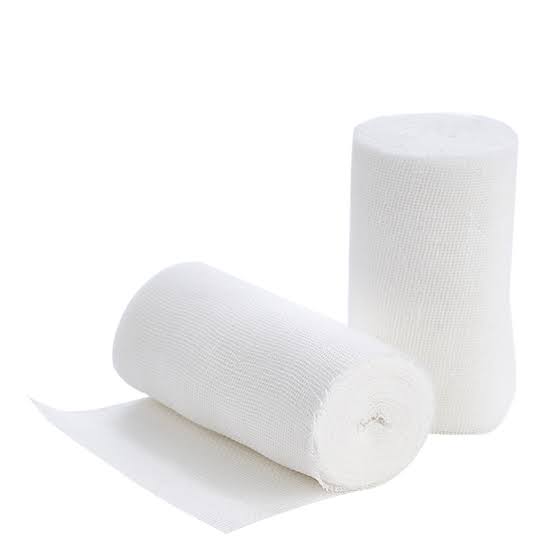

Woven gauze sponges are established products in clinical care, first-aid settings, and medical supply distribution. Their familiar construction can make supplier selection appear straightforward, but buyers still need to consider fabric quality, dimensions, ply, folding accuracy, packaging, and intended use. Differences that seem minor during purchasing can become noticeable when products are handled in a clinical environment or compared across repeat orders. For private label businesses, a dependable OEM supplier should be able to maintain defined specifications while supporting the commercial requirements of the brand.
An OEM Woven Gauze Sponges Supplier should demonstrate more than an ability to manufacture a standard sponge and add custom branding. Buyers need to verify the supplier’s control over gauze materials, cutting and folding processes, inspection, packaging, and batch identification. If the product is intended for medical use, the supplier should also provide documentation relevant to its regulatory status and intended application. The quality of the partnership is reflected in the consistency of the finished product and the evidence supporting it.
Start with fabric construction
Woven gauze sponges are commonly specified by their fabric characteristics, including fibre composition, weave, thread count, and ply. These features influence the product’s structure and handling. Buyers should decide which construction is appropriate for the intended application rather than selecting solely by a familiar product name.
Request a complete specification and clarify how the supplier defines each parameter. If the sponge is intended for a particular clinical use, technical requirements should be established with suitable professional and regulatory input. This avoids the assumption that all woven gauze products are interchangeable.
Check dimensions and folding consistency
The finished sponge should match its stated dimensions and construction. Buyers may need particular sizes, ply arrangements, folded edges, or unfolded dimensions depending on the product design. Inconsistent cutting or folding can affect appearance, handling, and packaging efficiency.
Ask how the factory controls these variables during production. Samples should be checked across several pieces, not just one carefully selected unit. For larger orders, a documented sampling plan can help identify variation before the goods are released for shipment.
Understand raw material sourcing
A reliable supplier should be able to describe where its gauze fabric comes from and how incoming material is approved. Ask whether the fabric is manufactured in-house or purchased from another producer. If external sources are used, find out how the supplier qualifies them and manages changes.
Incoming checks may cover fabric dimensions, construction, appearance, and other characteristics defined by the product specification. The supplier should also have a process for segregating material that does not meet requirements. Consistent raw material control is essential when the same sponge is expected to be produced repeatedly.
Examine cleanliness and handling procedures
Medical supply buyers should ask how the factory manages hygiene during converting, folding, and packing. This includes the condition of production areas, equipment cleaning, operator practices, and protection of finished products before packaging.
The necessary controls depend on whether the sponge is sterile or non-sterile and on its intended use. A non-sterile product should not be represented as sterile simply because it is packed in a closed bag. Where sterility is required, buyers should verify the validated process and appropriate release documentation.
Review testing and quality assurance
A supplier should be able to explain how it inspects finished products and what tests are performed. Depending on the specification, relevant checks may include dimensions, ply, fabric construction, absorbency, linting, packaging integrity, and visual defects.
Ask for the applicable test methods, acceptance limits, and sample records. Test reports should identify the product and be relevant to the actual item being purchased. If an independent laboratory assessment is required, agree on the scope before placing the order.
Confirm packaging and labeling options
OEM customers may require individual pouches, grouped packs, different quantities, printed bags, or customized cartons. Packaging should protect the sponges from foreseeable contamination and physical damage during storage and transport. The design should also suit the distribution channel and any applicable labeling requirements.
Review artwork carefully. Product descriptions, dimensions, material details, intended-use statements, symbols, and sterility claims must be accurate. Agree on the approval process and ensure that obsolete artwork is not used for later production.
Assess regulatory knowledge and traceability
Ask the supplier which quality certifications it holds and confirm their scope, validity, and covered site. Determine whether the supplier can provide batch records, product specifications, test reports, and documentation needed for the destination market.
Traceability should connect finished products to relevant production and material records. The supplier should also explain how complaints are investigated, how nonconforming products are controlled, and how affected batches could be identified if a recall becomes necessary.
Measure service beyond the quotation
A reliable OEM supplier should provide realistic lead times, production capacity, minimum order quantities, and clear export arrangements. Discuss how it manages material shortages, specification changes, and unexpected production problems. Compare total supply costs rather than unit price alone, taking packaging, testing, inspection, and freight responsibilities into account.
Choose a supplier that can repeat the approved result
The strongest OEM relationship is based on clear product definitions, verified manufacturing controls, and consistent communication. By evaluating fabric, dimensions, hygiene, testing, packaging, and traceability together, buyers can identify a woven gauze sponges supplier capable of supporting a stable medical supply program.