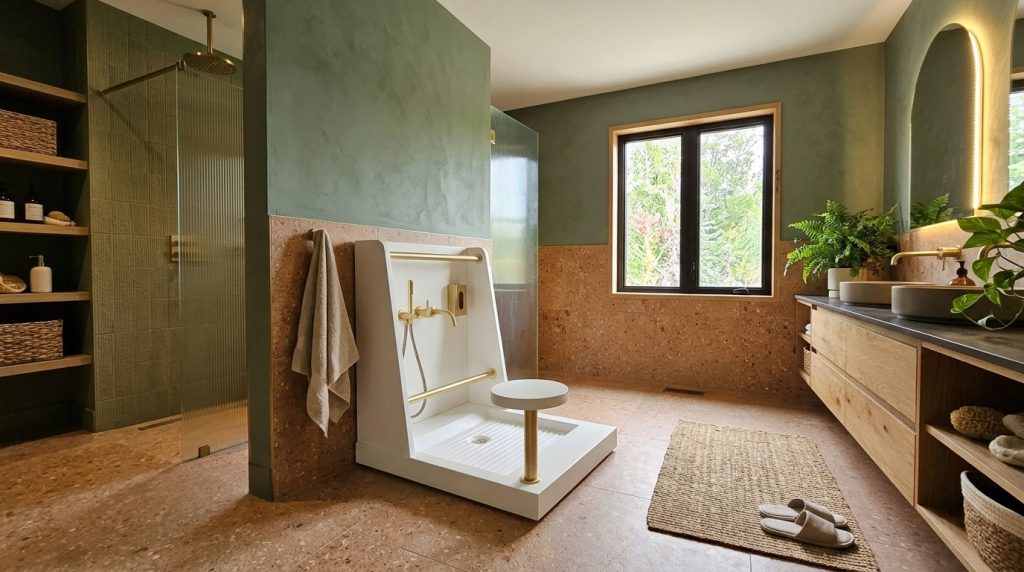

Choosing a basin for ablution is partly a matter of product selection and partly a matter of understanding how the bathroom will be used. The fixture needs to accommodate regular washing, fit the available space, and work with the existing plumbing. A model that is too large can make a small bathroom difficult to navigate, while one with unsuitable dimensions may not provide the comfort users expect. Taking measurements and identifying household requirements before shopping makes the decision more reliable.
A Wudu basin is intended to support the washing movements associated with wudu. Depending on the design, it may include a lower section for foot washing, a wider bowl, or tap fittings positioned for convenient rinsing. Products differ in shape and installation method, so the right choice should be based on the actual features and dimensions rather than the product category alone.
Assess the Bathroom Before Looking at Products
Begin by measuring the available width, depth, and height. Note the positions of doors, showers, toilets, cabinets, and existing water connections. It is also important to measure the space in front of the proposed basin. Users need room to stand, reach the tap, and move without blocking the main walkway.
A compact bathroom may benefit from a wall-mounted fixture because it can leave more visible floor space. However, wall construction must be strong enough to support the basin and its use. A floor-supported model may be more appropriate where the wall cannot be reinforced or where the existing plumbing is easier to access from below.
Match the Design to the Users
Consider who will use the basin most often. A family may need a design that works for adults, children, and older relatives. Height is particularly important: a fixture that is comfortable for handwashing may not be suitable for washing the feet. Look for a configuration that allows users to reach the relevant washing area without unnecessary bending.
If someone in the household has limited mobility, evaluate the approach space and tap controls as well as the basin itself. A clear floor area and a stable, slip-resistant surface may be just as important as the product’s shape. For specific accessibility requirements, professional advice can help determine the appropriate installation.
Compare Bowl Dimensions and Tap Placement
The basin should provide enough room for washing while remaining proportionate to the bathroom. A wide bowl may make rinsing easier, but it can dominate a narrow room. A deeper design may help contain splashes, although the internal shape must still allow users to reach the washing area comfortably.
Check the tap’s position and reach. Water should flow into the basin rather than strike the rim or splash onto the floor. Controls should be accessible and simple to operate. Confirm whether the tap is included with the basin and whether the connections match the home’s plumbing.
Select a Material That Suits Regular Use
The basin will be exposed to water and cleaning products every day. Ceramic is a familiar choice for bathrooms, while solid-surface options may offer different shapes and finishes. Each product has its own maintenance requirements, so ask the supplier about resistance to stains, scratches, and common cleaning agents.
A smooth finish is generally easier to wipe down, particularly around the bowl and tap. Consider whether the material can be repaired if it becomes scratched or chipped. Warranty coverage and access to replacement parts may also influence long-term value.
Plan Drainage and Waterproofing
An effective waste connection helps prevent water from collecting in the basin. Check the outlet size and location against the installation drawing, and have a plumber confirm compatibility with the existing pipework. If the bathroom needs alterations, include the cost of new connections and labour in the budget.
The surrounding floor and walls should be suitable for occasional splashing. Waterproof finishes, properly sealed joints, and slip-resistant flooring help make the area easier to maintain. A floor drain may be useful in some layouts, but its suitability depends on the room’s construction and plumbing.
Compare Total Cost and Aftercare
Do not compare products by purchase price alone. Include delivery, tap fittings, mounting hardware, plumbing changes, waterproofing, and installation. Review cleaning instructions and warranty terms before committing.
Choose a Basin That Fits the Room and Routine
A suitable wudu basin should offer comfortable access, practical dimensions, dependable drainage, and manageable care. When the product is selected around the bathroom layout and the people using it, it can support daily ablution without making the room feel crowded. Careful planning is the best way to achieve a durable and convenient result.