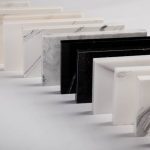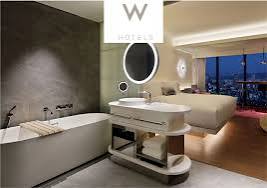

Bathroom interiors reflect the architectural character and personal preferences of the people who use them. Some homeowners prefer clean, minimalist spaces, while others are drawn to traditional details, natural textures, or luxurious finishes. Choosing bathroom products that complement these different styles requires attention to shapes, colors, materials, proportions, and practical functionality.
Modern bathroom products are expected to do more than serve basic purposes. They should fit naturally into the surrounding interior while meeting everyday requirements for comfort, maintenance, and space efficiency. KingKonree operates in the solid surface and bathroom products industry, where material options and product configurations are relevant to creating bathroom environments that suit different design preferences.
Understanding the Relationship Between Bathroom Products and Interior Design
Every bathroom fixture contributes to the overall appearance of a space. Washbasins, countertops, bathtubs, and other components influence the room’s visual balance and functionality.
When selecting products, designers should consider how each fixture relates to the surrounding materials and architectural details.
Important design factors include:
- Product shape and proportions.
- Color and surface finish.
- Material characteristics.
- Available floor and countertop space.
- Lighting and surrounding textures.
- Cleaning and maintenance requirements.
Coordinating these elements helps create a bathroom that feels visually consistent rather than like a collection of unrelated fixtures.
Minimalist Interior Design
Minimalist bathrooms emphasize simplicity, open space, and practical arrangements. They often use neutral colors, uncluttered surfaces, and fixtures with straightforward geometric forms.
Simple Washbasin Shapes
Rectangular, oval, and gently curved washbasins can complement minimalist interiors.
The choice depends on the vanity dimensions and the desired visual effect. A simple basin design can provide a clear focal point without overwhelming the surrounding space.
Neutral Surface Finishes
White, gray, beige, and other understated colors are common in minimalist bathroom schemes.
These shades can coordinate with plain tiles, natural wood finishes, and simple metal fittings.
Uncluttered Countertops
A well-planned countertop provides sufficient space for everyday essentials while maintaining a clean appearance.
Integrated basin arrangements may also help create visual continuity between different parts of the vanity.
Contemporary Interior Design
Contemporary bathroom design combines current aesthetic preferences with practical functionality. Unlike a fixed historical style, it can incorporate different materials, shapes, and finishes as design preferences evolve.
Balanced Geometric Forms
Contemporary interiors often use clean lines and balanced proportions.
Bathroom fixtures with defined shapes can complement modern cabinetry, large-format tiles, and streamlined fittings.
Coordinated Colors and Textures
Designers may combine solid surface products with wood-effect panels, stone-inspired tiles, or metal accents.
The goal is to create contrast without making the interior appear visually crowded.
Functional Layouts
Contemporary bathrooms frequently prioritize efficient movement and convenient access to fixtures.
Washbasin placement, countertop dimensions, storage, and shower access should be considered together during the planning stage.
Luxury Bathroom Design
Luxury bathrooms often emphasize refined materials, distinctive fixtures, spacious layouts, and carefully coordinated details.
The overall effect depends on the relationship between individual products and the surrounding architecture.
Statement Washbasins
A distinctive washbasin can become a focal point in a luxury bathroom.
Designers may explore different basin proportions, shapes, and surface appearances to complement the vanity and surrounding finishes.
Elegant Countertop Arrangements
Wider countertops can provide practical surface space while contributing to a more spacious appearance.
The selected material and edge profile should coordinate with the cabinetry, mirrors, and other bathroom components.
Freestanding Bathtub Concepts
Freestanding bathtubs are often used in larger bathrooms as prominent design features.
Their placement should account for plumbing access, floor support, circulation space, and convenient cleaning access.
Traditional Interior Design
Traditional bathrooms often feature familiar forms, decorative details, warm colors, and materials inspired by classic architecture.
Modern bathroom products can complement these spaces when their shapes and finishes are selected carefully.
Classic Color Combinations
Cream, warm white, soft beige, and muted natural shades can work well with traditional bathroom interiors.
These colors may coordinate with patterned tiles, decorative mirrors, and wood cabinetry.
Softer Product Profiles
Rounded washbasins and gently curved forms can complement traditional design elements.
The proportions should remain consistent with the vanity and other fixtures.
Combining Modern Materials with Classic Details
Contemporary solid surface products may be incorporated into traditional interiors through suitable colors and understated finishes.
This approach allows designers to introduce modern functionality without changing the entire architectural character of the bathroom.
Scandinavian Interior Design
Scandinavian interiors are commonly associated with simplicity, natural materials, practical layouts, and light color palettes.
This approach can create bathrooms that feel calm, bright, and organized.
Light and Neutral Colors
White, pale gray, and soft beige help maintain a bright visual environment.
These colors can be combined with light wood cabinetry and simple bathroom fixtures.
Natural Material Combinations
Wood-effect finishes, stone-inspired surfaces, and restrained metal details can contribute to a balanced Scandinavian appearance.
Designers should consider moisture suitability when selecting materials for bathroom use.
Practical Product Arrangements
Scandinavian design values everyday usability.
Compact washbasins, efficient countertops, and accessible storage can support a comfortable layout without unnecessary decoration.
Industrial Interior Design
Industrial bathrooms often use exposed textures, darker colors, metal details, and simple architectural forms.
Bathroom products should complement these elements without compromising practical requirements.
Dark and Neutral Color Schemes
Gray, charcoal, and other subdued colors can work well with concrete-inspired surfaces and metal fittings.
Lighter fixtures may also be used to create contrast.
Geometric Fixtures
Straight edges and defined shapes can complement the strong lines commonly found in industrial interiors.
A simple countertop or basin can balance more textured surrounding materials.
Combining Materials
Solid surface products may be paired with suitable metal accessories, concrete-look tiles, or wood finishes.
The selection should account for moisture exposure, cleaning requirements, and compatibility between materials.
Natural and Organic Interior Design
Natural-inspired bathrooms use colors, textures, and forms that create a connection with the outdoor environment.
This style often focuses on warmth, calmness, and visual balance.
Earthy Color Palettes
Sand, beige, muted green, warm gray, and soft brown can help establish a natural atmosphere.
These colors can be introduced through bathroom surfaces, cabinetry, tiles, and decorative elements.
Soft Curves and Organic Shapes
Rounded basins and curved product forms can create a softer appearance than sharp geometric designs.
The selected shape should still provide sufficient usable space and convenient cleaning access.
Coordinating Natural Textures
Designers may combine solid surface fixtures with wood-effect cabinetry and stone-inspired finishes.
Careful coordination helps prevent the bathroom from appearing overly busy.
Space-Saving Design for Compact Bathrooms
Small bathrooms require a different approach because every fixture must fit within limited floor and wall space.
Product selection should balance practical use with the need to maintain comfortable movement.
Compact Washbasins
Smaller washbasins can work well in guest bathrooms, narrow vanity areas, and compact apartments.
Their dimensions should provide adequate washing space while preserving clearance around nearby fixtures.
Wall-Mounted Vanity Designs
Floating vanity units can create the appearance of more floor space and may make cleaning underneath easier.
Their installation requires suitable wall support and appropriate plumbing coordination.
Integrated Storage and Countertops
Combining storage with a practical countertop arrangement can help reduce clutter.
Designers should plan storage access, tap placement, and drainage before finalizing the product configuration.
Customization for Different Interior Styles
Customization can help architects and homeowners coordinate bathroom products with specific design concepts.
It is particularly useful when standard dimensions, shapes, or finishes do not match the project requirements.
Customized Dimensions
Different interior layouts may require specific basin widths, countertop lengths, or product heights.
Accurate measurements and technical drawings help ensure that customized fixtures fit the intended space.
Color and Finish Selection
The right finish can influence how a bathroom product relates to its surroundings.
Designers should compare samples with actual wall, floor, and cabinet materials because lighting can change how colors appear.
Coordinated Product Collections
Using related shapes and finishes across washbasins, countertops, and other bathroom components can create a more consistent interior.
For larger projects, approved samples and documented specifications help maintain uniformity.
Choosing Materials That Match the Intended Design
A product’s material affects its appearance, fabrication possibilities, maintenance, and suitability for different environments.
Solid surface materials are used in bathroom applications such as washbasins and countertops, although their specific characteristics vary according to formulation and manufacturing methods.
Appearance and Texture
Material samples help designers evaluate color, texture, and surface finish before selecting products.
This is especially important when combining several materials in one bathroom.
Maintenance Requirements
Bathroom products are exposed to water, soap, and cleaning agents.
The appropriate cleaning method depends on the product’s material and finish. Buyers should follow the manufacturer’s care instructions.
Installation Compatibility
Material selection should also account for product weight, support requirements, fabrication limitations, and plumbing arrangements.
Confirming these details early can prevent installation difficulties.
Practical Tips for Creating a Consistent Bathroom Interior
A successful bathroom design combines individual fixtures into a coordinated environment.
Before choosing products, homeowners and design professionals should consider the following:
- Define the interior style: Decide whether the space will follow a minimalist, traditional, contemporary, or other design direction.
- Select a color palette: Choose colors that complement the flooring, walls, cabinetry, and lighting.
- Evaluate product proportions: Make sure the basin, countertop, and bathtub suit the room dimensions.
- Compare material samples: Check surface appearance and maintenance requirements before approval.
- Plan installation details: Confirm plumbing connections, support structures, and clearances.
- Consider long-term use: Choose products according to daily needs rather than appearance alone.
These steps help create bathrooms that are both visually coordinated and practical.
Conclusion
Bathroom products can adapt to many interior design styles through thoughtful choices in shape, color, material, dimensions, and configuration. Minimalist spaces benefit from simple forms, luxury interiors may use distinctive fixtures and refined finishes, while traditional, Scandinavian, and industrial bathrooms require different combinations of textures and proportions.
KingKonree operates in the solid surface and bathroom products sector, where these design considerations are relevant to developing fixtures for varied interior environments. Architects, designers, and homeowners can select suitable products by comparing available finishes, reviewing technical specifications, and considering how each fixture will function within the complete bathroom layout. A coordinated approach helps create interiors that reflect individual design preferences while supporting everyday comfort and usability.